Why a European Linen Down Comforter Might Be Your Best Sleep Investment
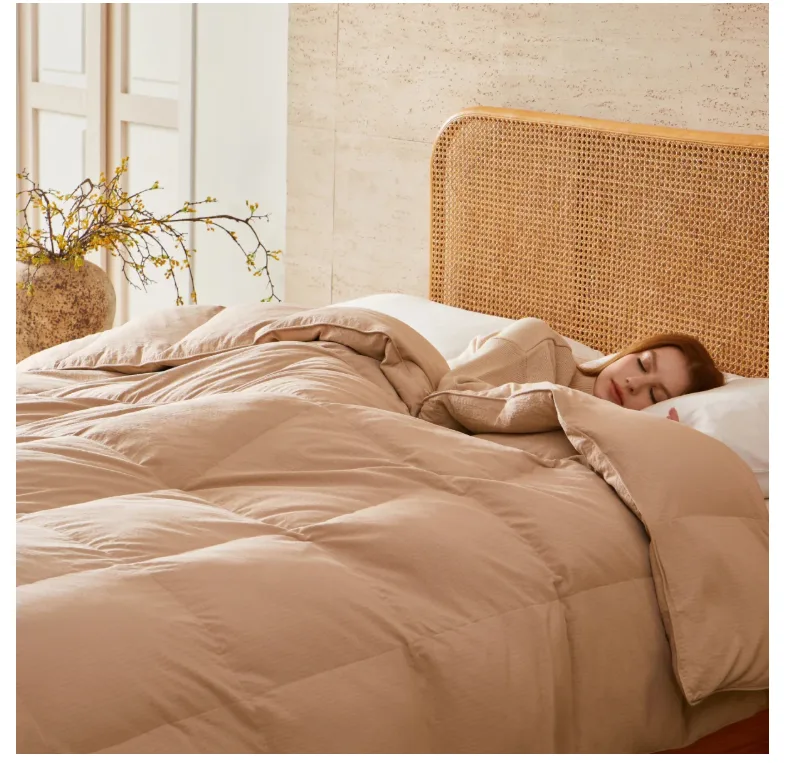
A journey through texture, temperature, and the science of deeper sleep
There’s something quietly transformative about the bedding we choose. According to Grand View Research, the luxury bedroom linen market reached $4.73 billion in 2024 and continues to grow at 8.0% annually through 2030, signaling a shift in how seriously we take sleep quality. And within this evolution, one combination stands out: European linen paired with goose down filling.
I’ve spent years chasing better sleep—switching pillows, adjusting room temperature, trying meditation apps. But it wasn’t until I understood the science behind fabric and insulation that everything clicked. The right comforter doesn’t just keep you warm; it regulates, breathes, and adapts to your body throughout the night.
The Linen Advantage: More Than Just Aesthetics
European linen offers natural temperature regulation and moisture-wicking properties that create optimal sleep conditions year-round.
Linen isn’t new—it’s one of humanity’s oldest textiles. But its resurgence in premium bedding stems from scientific validation of what our ancestors intuitively knew. The fibers are hollow and porous, allowing exceptional airflow. This matters more than you might think: research published in Building and Environment found that thermal comfort during sleep directly impacts sleep stage depth and nighttime awakenings.
Warmy & Tummy’s European Linen Goose Down Comforter exemplifies this principle. The linen shell breathes naturally while the goose down interior provides insulation without weight. It’s this balance—warmth without overheating—that makes the combination effective across seasons.
Unlike cotton, which can trap moisture, linen actively wicks perspiration away from skin. The fabric also becomes softer with each wash, a quality that improves rather than degrades the sleeping experience over time.
The Down Difference: Insulation That Adapts
Goose down filling creates thermal regulation through loft—tiny air pockets that trap warmth while allowing excess heat to escape.
Down clusters work like nature’s climate control system. Each three-dimensional plume creates space for warm air circulation while maintaining breathability. Studies indicate the optimal sleeping temperature range sits between 60°F and 68°F (15.5°C to 20°C). Down-filled comforters help maintain this zone by adjusting to your body’s needs throughout sleep cycles.
The European Linen Down Comforter from Warmy & Tummy uses premium goose down with high fill power, meaning more warmth per ounce with less weight. You get enveloping comfort without the heavy, suffocating feeling of synthetic alternatives.
This matters especially during REM sleep, when your body’s temperature regulation naturally weakens. A responsive comforter that adjusts without interventi
on allows uninterrupted sleep cycles—the foundation of genuine rest.
Why European Linen Specifically?
European linen production standards ensure longer fibers, tighter weaves, and superior durability compared to standard linen.
Not all linen equals the same quality. European linen—particularly from Belgium and France—uses flax grown in cool, moist climates that produce exceptionally long, strong fibers. The result: smoother texture, better moisture management, and longer lifespan.
“The softness of linen tends to improve the quality of sleep. Additionally, it lends hotel rooms an aesthetic appearance,” notes KKR Linens’ 2025 trend analysis.
Warmy & Tummy sources European linen specifically for these properties. The fabric’s natural luster and slightly textured feel create a sensory experience that synthetic “linen-look” materials can’t replicate. And unlike bamboo or microfiber blends, linen is genuinely sustainable—flax requires minimal pesticides and grows in poor soil conditions.
The environmental angle matters, but so does longevity. A well-made linen down comforter can last 15-20 years with proper care, making it a genuine investment rather than a disposable purchase.
The Sleep Quality Connection
Research consistently shows bedding material directly influences sleep onset time, nighttime awakenings, and sleep stage depth.
A 2025 SleepScore study presented at the SLEEP conference demonstrated that participants using temperature-regulating bedding reported significant improvements in sleep comfort and overall quality. While that study focused on cooling technology, the principle applies: your comforter’s ability to manage temperature is not a luxury—it’s a sleep health necessity.
The European linen and down combination addresses this through complementary mechanisms. Linen handles moisture and airflow at the surface level. Down manages insulation and warmth retention in the core. Together, tey create a microclimate that adjusts to your body’s changing needs from early sleep through morning.
Warmy & Tummy’s design includes baffle box construction, preventing down from shifting to edges and creating cold spots. This engineering detail ensures consistent temperature distribution across the entire comforter—no more cold feet at 3 AM.
Making the Investment Decision
The premium bedding market growth reflects changing priorities: people increasingly view sleep as a health investment rather than passive downtime. A European linen down comforter sits at the intersection of material science, comfort engineering, and long-term value.
Yes, it costs more upfront than synthetic alternatives. But calculate the per-night cost over 15 years, factor in the quality of sleep gained, and the economics shift dramatically. Poor sleep carries hidden costs: reduced cognitive function, weakened immunity, mood disruption. Quality bedding addresses the root cause rather than treating symptoms.
The tactile experience matters too. There’s something about sliding into naturally breathable, temperature-responsive bedding that signals your nervous system it’s time to wind down. Sleep begins before you close your eyes—it starts with the environment you create.
FAQ
What makes European linen better than regular linen for comforters?
European linen uses longer flax fibers grown in optimal climates, resulting in smoother texture, better moisture management, and superior durability. The production standards in Belgium and France ensure tighter weaves that last 15-20 years with proper care.
Can a down comforter be used year-round, or is it too warm for summer?
Quality goose down paired with breathable linen shell provides insulation while allowing heat escape, making it suitable for year-round use. The combination regulates temperature rather than simply adding warmth—warmth in winter, breathability in summer.
How does linen bedding impact sleep quality specifically?
Linen’s moisture-wicking properties and airflow prevent overheating and night sweats, which are primary causes of sleep disruption. Research shows breathable, comfortable bedding reduces nighttime awakenings and supports deeper sleep stages.
Is the higher cost of European linen down comforters justified?
When calculated over a 15-20 year lifespan, the per-night cost becomes comparable to mid-range bedding that requires replacement every 3-5 years. The sleep quality improvement and durability make it a genuine investment rather than an expense.
What maintenance does a linen down comforter require?
Professional cleaning once annually is recommended, with spot cleaning as needed. Linen naturally becomes softer with washing, and down maintains loft when properly cared for. Air regularly and use a duvet cover to extend time between deep cleans.