What to Know Before Buying a Thermal Scope in Australia
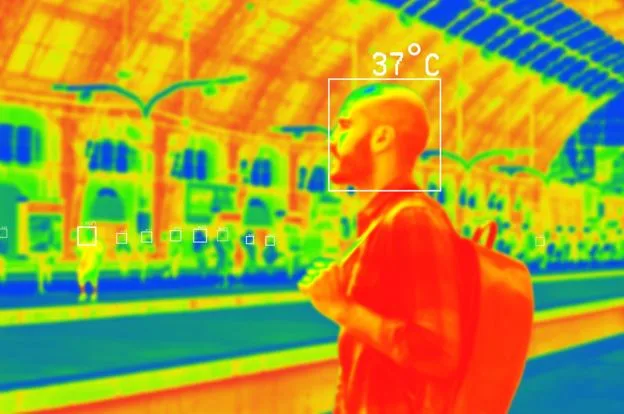
Thermal imaging has become one of the most significant developments in outdoor optics over the past decade. What was once exclusive to military and law enforcement is now accessible to hunters, landowners, and wildlife observers across Australia.
The market has grown quickly, and so has the range of products available. Knowing what to look for before you buy saves money and prevents the frustration of purchasing hardware that does not match how you intend to use it.
How Thermal Imaging Works
Thermal scopes detect heat signatures rather than visible light. They render the temperature difference between an animal, object, or person and their surrounding environment as a visible image on a display.
This means they work in complete darkness, through light fog, and in conditions where conventional night vision fails. They do not require any ambient light source to function.
The image produced is not photographic. It is a heat map, typically displayed in one of several colour palettes, including white hot, black hot, and colour gradient modes. Experienced users develop a preference for specific palettes depending on the terrain and conditions they work in most often.
Resolution and Sensor Size
Resolution is the most important specification to evaluate. It refers to the number of pixels in the thermal sensor and directly determines how much detail is visible and at what distance a subject can be identified.
Entry-level thermal scopes typically use a 256×192 sensor. Mid-range and premium units step up to 384×288 or 640×480. The difference in image quality between these tiers is significant, particularly when trying to identify subjects at a distance or in cluttered environments.
A higher resolution sensor also performs better when digital zoom is applied. Lower-resolution images degrade quickly under magnification. Higher-resolution sensors retain more usable detail as zoom increases.
Refresh Rate and Detection Range
Refresh rate refers to how many times per second the image updates. The two most common specifications are 25Hz and 50Hz.
At 25Hz, fast-moving subjects can appear to stutter across the display. At 50Hz, motion is smooth and easier to track, which matters considerably when following an animal in the field.
Detection range figures quoted by manufacturers typically refer to the distance at which a human-sized subject generates a detectable heat signature. Recognition range, the distance at which you can clearly identify what you are looking at, is a shorter figure and the more practically relevant one for hunting and wildlife use.
What Pulsar Offers at Different Price Points
Pulsar is one of the most established brands in the thermal scope market, with a product range that spans entry-level handheld units through to high-specification clip-on and standalone riflescopes.
Their Axion series covers handheld thermal monoculars suited to detection and scanning work. The Thermion series covers dedicated riflescopes with higher sensor resolutions and integrated recording capability. The Merger series addresses binocular-style thermal observation for users who want two-eye comfort during extended glassing sessions.
Australians looking to browse Pulsar thermals in Australia can assess the full current range from a local specialist who stocks genuine products with Australian warranty support, which matters given the investment involved and the practical need for service access in this country.
Clip-On vs Standalone Scope
This is a decision point many first-time buyers overlook until they are already in the purchasing process.
A standalone thermal riflescope replaces your existing day scope entirely. It mounts directly to your rifle and is used for all low-light and night shooting.
A clip-on unit sits in front of an existing day scope, converting it for thermal use. This preserves your existing zero and allows you to switch between day and night configurations without removing and remounting optics.
Clip-on units are a practical solution for users who already own a high-quality day scope and do not want to manage two separate zeroing setups. Standalone units typically offer better image quality at a given price point because the optical path is optimised for thermal from the ground up.
Legal Considerations in Australia
Thermal scopes are legal to own in Australia, but their use is subject to state-specific regulations around hunting, land access, and the species that may be taken at night.
Several states permit the use of thermal imaging for pest and feral animal control on private land with the appropriate permits. Others impose restrictions on the calibres and methods permitted for after-dark use regardless of the optical equipment involved.
Checking the specific regulations in your state before purchasing is an essential step, not an afterthought.
What to Prioritise for Your Use Case
For users focused primarily on detection and scanning, a handheld thermal monocular with a 384×288 sensor and 50Hz refresh rate covers most practical requirements at a reasonable price point.
For dedicated shooting use, a standalone thermal riflescope with a 640×480 sensor and integrated video recording provides the clearest image and the most complete feature set for regular after-dark work.
Buying the best sensor resolution your budget allows is the most consistently sound advice in this category. Image quality is the variable that most directly determines how useful the unit is in the field, and it is the one that cannot be improved after purchase.