Ensure Your Solar Battery Installation Meets Safety Standards
Homeowners are increasingly turning to solar battery power storage as a practical path to energy independence, lower utility bills, and greater resilience during grid outages. The appeal is clear: pair a solar array with a capable battery system, and you gain control over when and how you use the energy you generate. Yet as more tech-savvy homeowners move to integrate batteries with their existing solar setups, a critical safety gap has emerged that deserves serious attention.
Improper installation, mismatched components, and unplanned system expansion are among the most common pitfalls. These mistakes don’t just undermine performance — they can create genuine fire hazards, cause irreversible damage to expensive equipment, trigger warranty voidance, and put household members at risk. The consequences of getting it wrong are significant, both financially and physically.
This guide is designed to close that gap. Whether you’re installing a solar battery system for the first time or planning to expand an existing one, the following sections provide a comprehensive roadmap for ensuring your setup is safe, code-compliant, and built to perform reliably over the long term. From selecting certified equipment to navigating the permitting process and planning for future capacity, you’ll find actionable steps to protect your investment and your home.
Why Safety is Non-Negotiable in Solar Battery Power Storage
Modern solar battery systems store substantial amounts of electrical energy — enough to power a home for hours or even days. That capability comes with real physical risk. High-capacity lithium-ion batteries, which dominate today’s residential storage market, are particularly susceptible to thermal runaway: a self-reinforcing chain reaction triggered by overcharging, physical damage, or excessive heat. Once initiated, thermal runaway can escalate from a single compromised cell to a full battery fire within minutes, releasing toxic gases and generating temperatures that standard fire suppression systems struggle to contain.
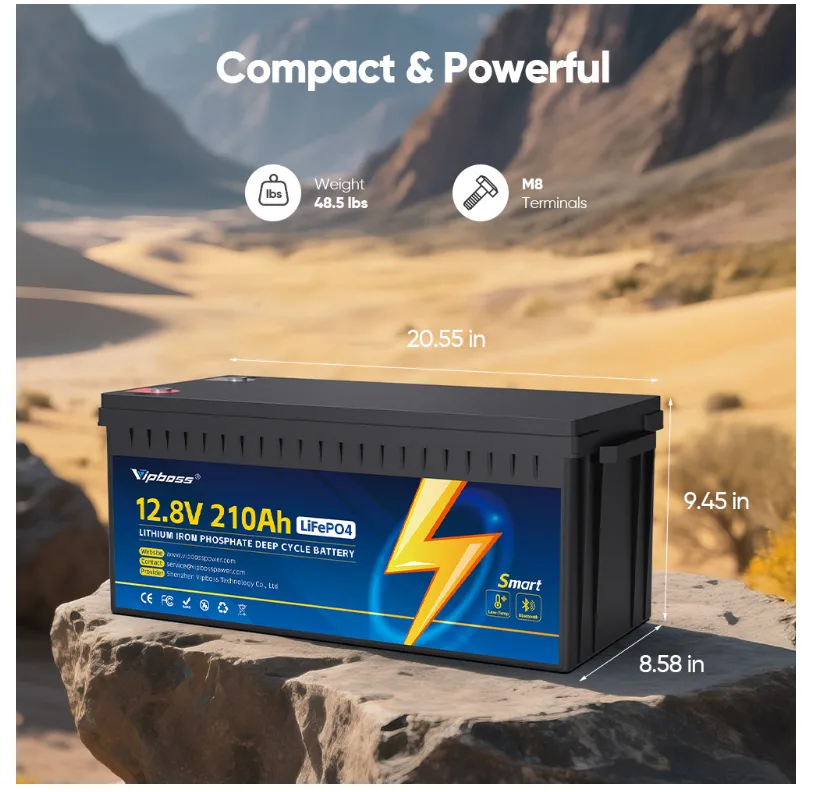
Electrical faults present an equally serious concern. Improper wiring, undersized conductors, or loose connections can cause arcing and overheating at any point in the system — from the battery terminals to the inverter and beyond. Off-grid or hybrid systems introduce an additional layer of complexity: if the battery isn’t properly isolated from the grid during an outage, it can back-feed live voltage onto utility lines, endangering lineworkers and neighboring properties.
The financial consequences of ignoring safety are just as stark. A thermal event or electrical fault can destroy not only the battery system but also the solar inverter, roof-mounted panels, and structural elements of the home itself. Insurance claims may be denied if the installation wasn’t code-compliant, and manufacturer warranties are typically voided the moment unauthorized modifications or non-certified components enter the picture.
Ultimately, safety standards exist not to create bureaucratic hurdles but to protect real assets and real lives. Every decision made during installation — component selection, wiring practices, location planning — either reinforces or undermines the system’s long-term reliability and return on investment. Treating safety as the foundation, rather than an afterthought, is what separates a system that performs for decades from one that becomes a liability.
The Pillars of a Safe Solar Battery Installation
A solar battery system is only as safe as the decisions made before the first wire is run. Three elements consistently determine whether an installation will perform reliably or become a hazard: the quality of the hardware, the intelligence of the management system, and the compatibility between every component in the chain. Cutting corners on any one of these pillars doesn’t just affect performance — it introduces risk that compounds over time, particularly as the system ages or undergoes expansion.
Choosing High-Quality Batteries and Certified Equipment
Certification is the most reliable shorthand for safety. When evaluating battery options, prioritize products that carry UL 9540 certification for energy storage systems and IEC 62619 compliance for lithium-ion safety — these standards validate that equipment has been independently tested under real-world stress conditions. Manufacturers like Victron that operate within established dealer networks and maintain documented warranty support give homeowners a clearer path to verified, compliant home battery power storage. Beyond certification, compatibility with your existing solar setup hinges on three specifications: voltage range, usable capacity, and communication protocol. A battery that doesn’t speak the same language as your inverter — whether that’s CAN bus, RS485, or a proprietary protocol — cannot coordinate safely during charging and discharging cycles. Purchase only from established manufacturers with documented warranty support and authorized dealer networks, as counterfeit or gray-market units frequently lack the internal safeguards their spec sheets claim.
The Critical Role of an Intelligent BMS System
The Battery Management System is the operational brain of any safe solar storage setup. At its core, a BMS continuously monitors individual cell voltages and temperatures, actively balances charge across the cell group, and enforces hard limits on both overcharge and deep discharge — the two conditions most likely to trigger thermal runaway. An intelligent BMS goes further by maintaining real-time communication with the solar inverter, sharing state-of-charge data and issuing protective shutdown commands when fault conditions arise. This bidirectional communication loop is what allows the inverter to throttle solar input before the battery reaches a dangerous threshold, rather than reacting after damage has already begun. When evaluating systems, confirm that the BMS supports your inverter’s communication protocol and includes data logging for fault diagnostics.
Step-by-Step Guide to a Compliant Installation Process
Even the best equipment will underperform or fail prematurely if the installation process is treated as an afterthought. A compliant installation follows a deliberate sequence — assessment before design, permits before wiring, testing before commissioning — and each step builds directly on the one before it. Skipping or rushing any phase introduces vulnerabilities that may not surface immediately but will eventually manifest as faults, failures, or safety incidents.
Step 1: Professional Site Assessment and System Design
Before any equipment is ordered, a licensed professional should conduct a thorough site audit covering three areas: your household’s load profile, the existing solar array’s output capacity and inverter specifications, and the physical environment where the battery will be housed. Battery placement isn’t arbitrary — the chosen location must maintain temperatures within the manufacturer’s operating range, provide adequate ventilation to prevent heat accumulation, and remain accessible for maintenance and emergency disconnection. This assessment forms the blueprint for a system sized and situated to perform safely.
Step 2: Adherence to Electrical Codes and Permitting
In the United States, residential energy storage installations fall under NEC Article 706, which governs disconnection means, circuit protection, and labeling requirements. Most jurisdictions also require a separate building or electrical permit before work begins, and some mandate utility notification for grid-tied systems. A certified electrician or licensed solar installer is typically required to pull these permits and sign off on the work. This step is not optional — unpermitted installations can block home sales, void insurance coverage, and result in forced removal of the system at your expense.
Step 3: Safe Installation and Commissioning
Physical installation begins with secure mounting on a surface rated for the battery’s weight, followed by conduit routing and conductor sizing per code specifications. All DC and AC connections must be torqued to manufacturer-specified values — loose terminals are a leading cause of arcing faults. Once wired, the system requires a structured commissioning process: the installer should verify communication between the BMS and inverter, confirm that protection thresholds are correctly configured, and run a supervised charge-discharge cycle to validate that every safety mechanism responds as intended before the system goes live.
Planning for Safe Battery Expansion in the Future
One of the smartest decisions you can make during initial installation is designing with expansion in mind. Homeowners who install a modular system from the start — one where additional battery units can be added to existing racks and communication buses — avoid the costly and potentially dangerous exercise of retrofitting an undersized architecture later. Ask your installer to document the inverter’s maximum battery input capacity, the BMS’s supported string count, and the communication protocol version, because these three parameters define the hard ceiling for any future expansion.
When the time comes to add capacity, compatibility is the overriding concern. Mixing battery generations, chemistries, or state-of-health levels within the same string creates imbalanced charge cycles that accelerate degradation across all units and, in worst-case scenarios, trigger protective shutdowns or thermal events. The safest approach is to expand using identical models from the same manufacturer — same cell chemistry, same firmware version, and ideally the same production batch. If that’s no longer possible, consult the manufacturer directly before proceeding, as some systems support mixed configurations under specific conditions outlined in their technical documentation.
Before any new batteries are physically connected, verify that the existing inverter can handle the increased charge and discharge current without exceeding its rated capacity. An inverter running at or near its ceiling with the original battery bank will be pushed into fault territory once additional storage is added. Similarly, confirm that the BMS firmware supports the expanded configuration — some systems require an update or reconfiguration to recognize additional strings correctly.
Finally, treat a significant capacity expansion the same way you treated the original installation: obtain the necessary permits, schedule an inspection, and have a licensed professional sign off on the upgraded system. Jurisdictions that required permitting for the initial setup will almost universally require it again for major modifications, and skipping this step exposes you to the same insurance and liability risks as an unpermitted original installation.
Ongoing Maintenance and Safety Monitoring
Installation is where safety begins, not where it ends. A solar battery system operates continuously through seasonal temperature swings, varying load demands, and thousands of charge cycles — conditions that gradually stress connections, degrade components, and introduce faults that weren’t present on day one. A structured maintenance routine is what keeps those risks from quietly compounding into serious problems.
Start with monthly visual inspections. Check battery terminals, conduit runs, and mounting hardware for signs of corrosion, physical damage, or loosening. Corroded terminals increase resistance and generate heat; a loose mounting bracket can allow vibration to work connections free over time. These are issues a trained eye catches early and a neglected system turns into expensive failures.
Beyond physical checks, your system’s monitoring software is a continuous diagnostic tool that most homeowners underutilize. Modern battery systems transmit real-time data on state of charge, cell temperatures, charge and discharge rates, and fault events. Reviewing this data regularly — even a weekly glance at trend graphs — allows you to spot anomalies like unexplained capacity drops or temperature spikes before they escalate. Configure alert thresholds within the monitoring platform so the system notifies you automatically when a parameter drifts outside its normal range.
Professional inspections should be scheduled annually or after any significant weather event, such as flooding or extreme heat exposure. A licensed technician will re-torque electrical connections, verify that BMS firmware is current, test protection relay functionality, and confirm that ventilation pathways remain unobstructed. These periodic check-ups are also the appropriate time to review whether the system’s configuration still matches your household’s evolving energy demands — and to address any changes before they create operational or safety gaps.
Building a Safe, Reliable Solar Battery System for the Long Term
A safe solar battery installation doesn’t happen by accident — it’s the result of deliberate choices made at every stage, from selecting certified equipment to scheduling annual professional inspections. The homeowners who get the most from their solar storage systems are the ones who treat safety not as a regulatory checkbox but as the structural foundation beneath every other decision they make.
The pillars are clear: start with high-quality, certified batteries and a capable BMS that communicates intelligently with your inverter. Follow a compliant installation process that includes professional site assessment, proper permitting under NEC Article 706, and rigorous commissioning before the system goes live. Plan your initial design with future expansion in mind, and when that time comes, expand carefully using compatible components and the same permitting discipline you applied at the outset. Then maintain what you’ve built through regular inspections and active monitoring.
For the tech-savvy homeowner, this level of diligence isn’t a burden — it’s what makes genuine energy independence achievable. A system built on these standards will protect your household, preserve your investment, and deliver reliable performance through years of charge cycles and seasonal demands. The path to that outcome starts with the right professional partner. Consult a certified solar installer or licensed electrician before your next installation or expansion decision, and ensure every step you take is one you can stand behind safely.