FX Makeup: Techniques, Tools, and Expert Tips
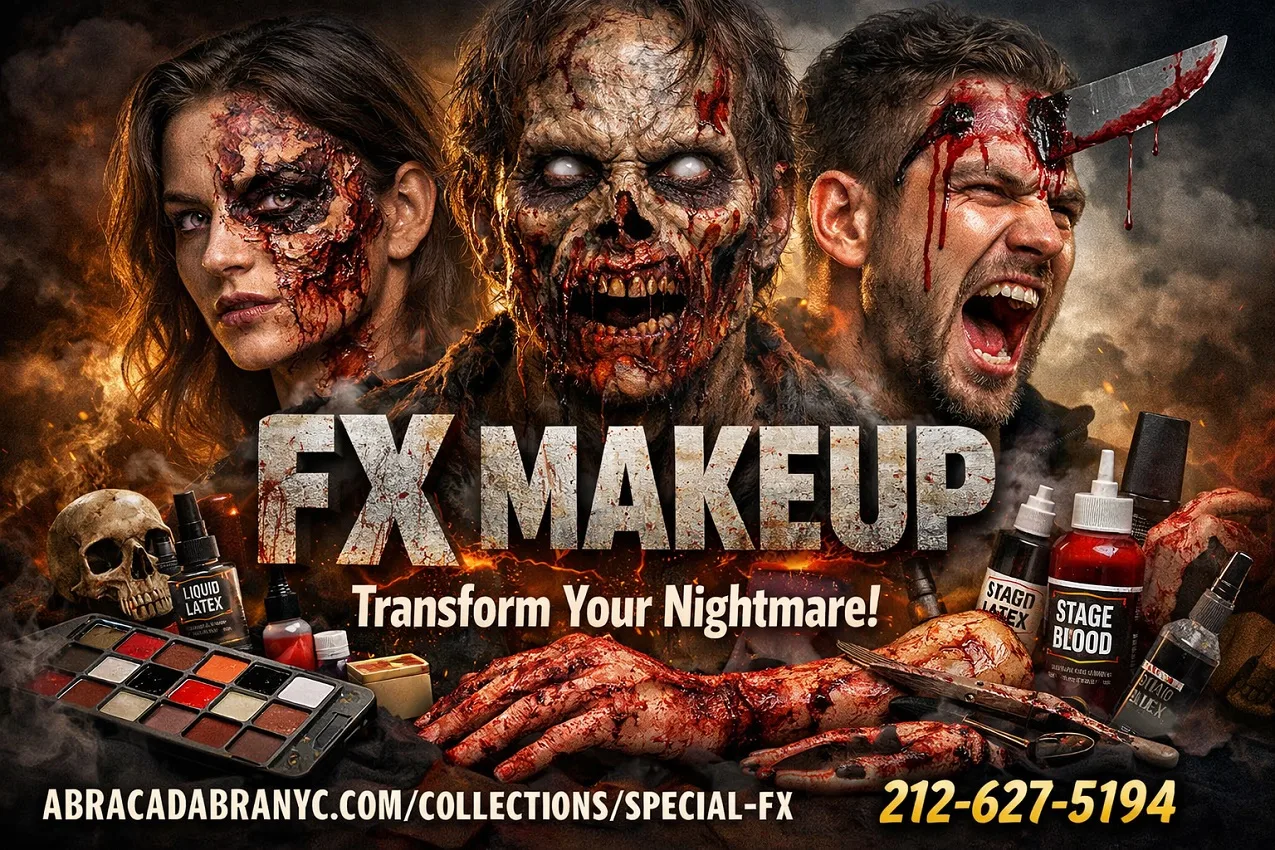
The world of special effects has always captivated audiences, pulling them into fantastical realms that blur the line between imagination and reality. From horror films to theatrical productions, the craft of transforming human faces and bodies into otherworldly creatures is both an art and a science. FX makeup sits at the heart of this transformation, giving artists the power to sculpt wounds, creatures, aging effects, and fantastical characters directly onto living skin. Whether you’re a beginner exploring creative cosplay or a professional working on a film set, understanding the fundamentals of this craft opens up a world of limitless creative possibility.
What Is FX Makeup?
Special effects makeup, commonly called SFX or FX makeup, refers to the use of prosthetics, silicone, latex, body paint, and specialty cosmetics to create illusions on the human body. Unlike conventional beauty makeup, which enhances natural features, FX work is about building something entirely new — a gash in the skin, a monstrous creature, a decaying zombie, or an aged elder from a young actor’s face. The techniques involved draw from sculpture, painting, chemistry, and even acting, making it one of the most multidisciplinary crafts in the entertainment and theatrical world.
Essential Products and Materials
To get started in special effects artistry, you’ll need a solid toolkit of materials. Each product serves a specific purpose and mastering their use is key to achieving convincing results.
- Liquid latex is one of the most accessible materials, ideal for creating wrinkled skin, peeling flesh, and lightweight prosthetics
- Silicone prosthetics offer a more realistic, skin-like finish and are widely used in professional film and television work
- Spirit gum and pros-aide are adhesive staples for securing prosthetics, facial hair, and appliances to the skin
- Grease paints and alcohol-activated paints provide rich, opaque color coverage that holds up under studio lighting
- Rigid collodion creates the illusion of scars by slightly puckering the skin when applied
- Theatrical blood comes in several consistencies — from thick, clotting blood for wounds to runny, bright blood for fresh cuts
- Foam latex and gelatin are used for building three-dimensional prosthetic pieces that are then painted and applied to the actor
Building Your Skills: Techniques That Matter
Mastery in special effects artistry comes from practice and a deep understanding of how the human body looks under stress, injury, or age. Studying anatomy is genuinely helpful — knowing how skin stretches, how bruises discolor, and how wounds heal allows you to replicate these effects convincingly.
Blending is perhaps the most critical skill. The edge of a prosthetic must seamlessly meet the natural skin, which requires careful use of blending solvents, thin layers of latex, and patient stippling. Color theory is equally important — a realistic bruise isn’t simply purple, but a layered combination of blue, green, yellow, and red that mimics how blood pools beneath the skin.
Texturing adds depth and believability. Artists use sponges, stipple techniques, and even household materials like oatmeal or tissue paper to build up dimensional surfaces on the skin. Painting those textures with highlights and shadows brings them to life under light, making flat applications appear three-dimensional.
FX Makeup in Film, Theater, and Cosplay
FX makeup has shaped some of cinema’s most iconic moments. The terrifying creatures of classic horror films, the aged transformation of actors across decades in biographical dramas, and the grotesque villains of fantasy epics all owe their existence to skilled effects artists. Legendary names like Rick Baker, Dick Smith, and Ve Neill elevated the craft to an art form recognized with Academy Awards.
In theater, effects makeup must be bold enough to read from a distance while remaining wearable for long performances. This demands products that are sweat-resistant, durable, and comfortable — a very different set of challenges from film work where close-up camera lenses demand microscopic realism.
Cosplay has also become a vibrant space where FX makeup thrives. Fans recreate beloved characters from video games, anime, comics, and films with stunning accuracy, using prosthetics, body paint, and theatrical lenses. Convention culture has made effects artistry more accessible than ever, with tutorials, online communities, and specialty shops putting professional-grade materials into the hands of enthusiastic hobbyists.
Safety First in Special Effects Artistry
Working with FX makeup requires respect for the skin. Many materials — particularly adhesives and latex — can cause reactions in sensitive individuals. Always perform a patch test before applying any new product to the face or body, especially around the eyes and lips. Use only cosmetic-grade or skin-safe materials and avoid any industrial products not formulated for skin contact.
Removal is just as important as application. Harsh removal can damage the skin barrier, so use dedicated adhesive removers and gentle cleansers to dissolve and lift products without tearing. Moisturizing after removal helps restore the skin’s natural hydration.
Proper ventilation matters when working with adhesives and solvents, as prolonged inhalation of fumes can be harmful. Professional artists working in enclosed spaces often use respirators and ensure good airflow in their work area.
Growing as an FX Artist
The best way to grow in this craft is to practice consistently and study the work of professionals. Invest in quality FX makeup products from reputable specialty suppliers, as inferior materials produce inferior results and can compromise safety. Watch tutorial videos, take workshops, and don’t be afraid to experiment on yourself before working on others.
Building a portfolio is essential if you’re pursuing professional work. Document every project with high-quality photographs under multiple lighting conditions. Theaters, film productions, haunted attractions, and costume companies all hire effects artists, so a strong, diverse portfolio can open many doors.
Special effects artistry rewards curiosity, patience, and a genuine love of storytelling. Every prosthetic crafted, every wound painted, and every monster built serves a narrative — and that connection between craft and story is what makes this one of the most exciting creative fields in the world today.