Biohazard Spill Kits: A Practical Guide to Safer Workplace Cleanup
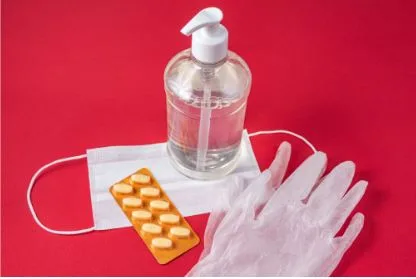
Last month, a receptionist at a GP clinic froze when a patient’s nosebleed hit the waiting-room floor.
She reached for paper towels and spray-and-wipe, with no gloves, no disinfectant proven to kill viruses, and no plan.
That scene is common in New Zealand workplaces. A stocked biohazard spill kit, backed by a written process and training, reduces exposure, supports health and safety duties, reduces downtime, and keeps cleanup controlled.
Key Takeaways
The first five minutes of response matter most.
- A spill kit is a dedicated cleanup set for blood and body-fluid spills.
- The Health and Safety at Work Act 2015 and the General Risk and Workplace Management Regulations 2016 require emergency planning and suitable first aid.
- Clean first, then disinfect. Use a product proven to kill viruses and follow the full label contact time.
- Infectious clinical waste belongs in the correct clinical-waste stream, not in general rubbish.
- Train staff, drill the process, and document every spill and any exposure.
- Place kits near likely spill areas, check them monthly, and restock after use.
Biohazard Spill Kit Basics
A biohazard spill kit gives staff a safe, repeatable way to manage body-fluid spills. It is a portable set of personal protective equipment, or PPE, absorbents, disinfectant, bags, tools, and instructions.
That covers blood, visibly bloody fluids, vomit, urine, faeces, and low-risk lab cultures. Treat anything visibly contaminated as potentially infectious. It does not cover chemical spills or cytotoxic, or cancer-drug spills, which need separate kits and protocols.
Hepatitis B virus can stay infectious on surfaces for at least seven days, so even dried blood needs full cleanup.
Why Spill Kits Matter in New Zealand Workplaces
Spill kits matter because biological hazards show up in ordinary workplaces, not just hospitals. Clinics, school sick bays, dental rooms, first aid areas, and public bathrooms can all face exposure.
Under the Health and Safety at Work Act 2015, a person conducting a business or undertaking, or PCBU, must protect workers and others so far as is reasonably practicable. The General Risk and Workplace Management Regulations 2016 also require a written emergency plan and risk-based first aid arrangements.
WorkSafe guidance also points to spill cleaning, disinfection, and suitable PPE as practical infection controls.
Needlestick exposure carries an average HIV transmission risk of about 0.3 percent. A splash to the eyes, nose, or mouth is about 0.09 percent. Those figures are small, but they explain why eye and face protection belong in every kit.
Components of a Quality Spill Kit
A quality kit has six parts, and each one prevents a common cleanup failure.
Start with PPE: two pairs of nitrile gloves, eye or face protection, and a fluid-resistant gown or apron. Add a mask if splashes could reach the mouth or nose.
- Absorbents: Pads or granules, plus a solidifier for vomit and urine.
- Tools: Scoop and scraper, plus tongs if sharps may be present.
- Disinfectant: A hospital-grade product proven to kill viruses. New Zealand clinical guidance commonly uses 1000 ppm available chlorine after cleaning, while large blood spills may need a stronger mix under site protocol.
- Waste Supplies: Biohazard-marked inner bag, yellow clinical-waste outer bag, ties, and a sharps container where needed.
- Instructions: Quick-step card, incident form, and the disinfectant’s safety data sheet.
Blood Spill Cleanup Steps
A safe cleanup follows the same short sequence every time.
For a blood or visibly bloody spill in a clinical or public area, control access, protect yourself, absorb, disinfect, bag, and document.
- Stop foot traffic and post signage.
- Put on gloves, eye protection, and a gown or apron.
- If sharps are present, use tongs to place them in a sharps container first.
- Cover the spill with absorbent pads or granules and let them gel.
- Lift the waste into the inner biohazard bag with the scoop and scraper.
- Disinfect from the outside in and keep the surface wet for the full label contact time.
Then double-bag the waste in a yellow outer bag, label it, and place it in the designated clinical-waste bin. Remove PPE carefully, clean your hands, and complete the incident form. If anyone was exposed, get urgent medical advice. HIV post-exposure prophylaxis, or PEP, is time-critical and should be considered within seventy-two hours.
Waste Disposal Under NZS 4304
Correct segregation keeps infectious waste out of general rubbish and preserves traceability.
NZS 4304:2002 guides how healthcare waste is classified, separated, and disposed of. In practice, infectious waste contaminated by blood or body fluids goes into yellow bags and designated clinical-waste containers.
Seal bags with a gooseneck tie, label the origin and date, and store them away from general waste. Keep a waste log and collection records for audit purposes. Most workplaces use licensed clinical-waste contractors for transport and dangerous-goods paperwork. Follow your waste contractor’s site instructions if local collection rules vary.
Placement, Inspection, and Restocking
A spill kit only helps if staff can reach it within seconds.
Restocking works best when inspections use a checklist that matches gloves, absorbents, bags, tools, and disinfectant to the risks in each area, because missing items are often discovered only after a spill starts and that delay can disrupt cleaning, waste handling, and staff safety. For New Zealand workplaces needing compliant replacements with local delivery for routine use, find biohazard kit supplies before the next stocktake.
Put kits where spills are most likely. In healthcare, that means treatment rooms, pathology draw stations, triage, and public toilets. In schools and public venues, focus on sick bays, bathrooms, and reception. In labs, place kits at benches and near containment cabinets.
Check kits monthly and after every use. Log each inspection, replace expired items, and keep the contents list aligned with your emergency plan. Do not hide kits in a locked storeroom. When you need refills, use a local supplier that carries biological spill kits and replacement packs.
Common Mistakes and Quick Fixes
Most spill-response failures come from a few predictable shortcuts.
- Using household cleaners without proof they kill viruses. Stock a hospital-grade disinfectant and follow the full contact time.
- Putting everything into general waste. Use the correct clinical-waste stream for infectious material.
- Skipping eye or face protection. Make splash protection standard in every kit.
- Skipping paperwork. Keep a one-page incident form in the kit and complete it after each event.
Making Kits Work in Practice
A spill kit protects people only when it is stocked, close by, and used with confidence.
Spills are inevitable. Unplanned exposure is not. Short drills build muscle memory before stress takes over.
Audit one area this week, fix any gaps, and run a ten-minute drill. The first five minutes of a spill response shape the risk, the cleanup time, and the record that follows.