IPTV Maroc Review: Reliable IPTV Services for Morocco Users
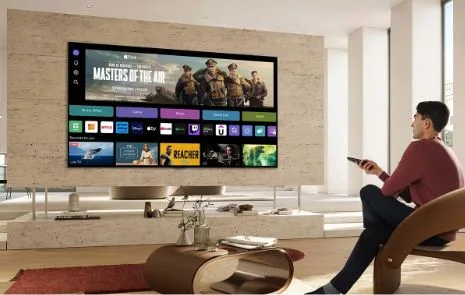
In Morocco, the landscape of television consumption is rapidly evolving. Traditional cable subscriptions and satellite dishes are progressively giving way to internet-based streaming solutions. Yet, amid this shift, many viewers grapple with access, quality, and content variety. Enter the realm of iptv maroc — a service that promises to bridge the gap between modern streaming convenience and localized content demand. But how reliable are these offerings for users in Morocco? This review dives into the practicalities and realities behind Moroccan IPTV services, highlighting what truly matters to everyday viewers.
Understanding the IPTV Market in Morocco
Unlike traditional broadcast TV, IPTV delivers television content over internet connections, allowing for a more flexible viewing experience that can be accessed on multiple devices. In Morocco, this model addresses several unique challenges:
Firstly, terrestrial and cable infrastructure can be patchy outside major urban areas, limiting viewers’ choices. IPTV has emerged as an alternative to deliver a broader range of channels, including international stations that might not be otherwise accessible. Secondly, the Moroccan demographic is young and tech-savvy, keen on on-demand viewing and mobile compatibility.
However, the overall IPTV ecosystem in Morocco remains in a somewhat nascent stage, meaning reliability and content authenticity vary widely from provider to provider. This creates a pressing need for a fine balance between affordability, stability, and legal compliance.
Key Features of Reliable IPTV Services for Moroccan Users
When assessing IPTV services in Morocco, it isn’t enough to simply look at the number of available channels. Stability, content relevance, and customer support weigh heavily on the user experience. Here’s what good IPTV providers typically offer:
Wide Variety of Local and International Channels
A critical factor is the richness of channel selection, especially those broadcasting in Arabic, French, and Amazigh. Moreover, Moroccan users appreciate access to international sports, entertainment, and news channels. Reliable services ensure their channel playlists are updated and include key national broadcasters as well as popular foreign stations.
Consistent Streaming Quality
Buffering and abrupt stream interruptions are notorious deal breakers. Quality IPTV providers optimize their servers and content delivery networks to maintain smooth playback, even during peak hours. In reality, not all services can uphold this, so testers often look for uptime guarantees and adaptive bitrate streaming.
Cross-Platform Compatibility and User-Friendly Interfaces
Moroccan viewers tend to access content on smart TVs, smartphones, tablets, and computers. Therefore, IPTV providers must offer compatibility across a range of devices and operating systems. A clean, intuitive interface reduces friction and improves user satisfaction, something often overlooked by smaller providers.
Challenges Facing IPTV Services in Morocco
Despite clear advantages, IPTV in Morocco encounters several real-world obstacles. Understanding these helps users make informed decisions and sets expectations realistically.
Internet Infrastructure and Speed Variability
While big cities like Casablanca or Rabat enjoy relatively good internet coverage, rural areas often struggle with slower, unstable connections. IPTV demands a steady broadband speed to function properly, which not every household can consistently access.
Legal and Content Licensing Issues
One of the trickiest aspects for Moroccan IPTV users is navigating the legality of content streams. Many services operate in a grey zone, offering channels without proper licensing. This not only raises ethical questions but also risks service interruptions or shutdowns without warning.
Customer Support and Service Transparency
Users often report frustration due to opaque customer service policies or lack of after-sales support. In the Moroccan context, having a responsive, bilingual (Arabic/French) support team is a vital asset that can differentiate reliable IPTV providers from less reputable ones.
Spotlight on iptv maroc: What to Expect
iptv maroc providers generally combine localized content with user-oriented service features, tailored to Moroccan viewers’ needs. Typically, they offer curated channel packs focused on the local market while providing popular international content. Most services emphasize free trial periods to build confidence, admitting the undeniable trial-error phase everyone goes through at the start.
The pricing models tend to be flexible, with monthly or annual plans that are relatively affordable compared to traditional TV subscriptions. Importantly, good providers maintain regular updates to reflect changes in channel availability or content rights, which is reassuring.
Tips for Choosing the Right IPTV Service in Morocco
For anyone considering IPTV as a viable replacement or complement to their current TV setup, a few ground realities should guide their choice:
Firstly, test the service extensively during free trial periods—check channel variety, streaming stability, and image quality. Next, verify the legality and reputation of the provider, ensuring they hold appropriate rights to broadcast content. Finally, evaluate customer support responsiveness and device compatibility to avoid frustration down the line.
Conclusion: IPTV’s Growing Role in Moroccan Entertainment
In a country where digital adoption accelerates and content consumption habits evolve, iptv maroc stands out as a practical solution to access diverse programming with flexibility. While challenges in infrastructure and legality remain, carefully selected IPTV services are delivering an increasingly trustworthy and enjoyable TV experience to Moroccan homes. Looking ahead, as internet connectivity improves and licensing frameworks clarify, IPTV is poised to become a mainstream entertainment option — one that truly adapts to the rhythms of Moroccan viewers.
For users venturing into this space, the best advice is to remain discerning, prioritize reliability over gimmicks, and embrace IPTV as part of a broader digital lifestyle.