How Weather and Traffic Patterns Influence Truck Collisions
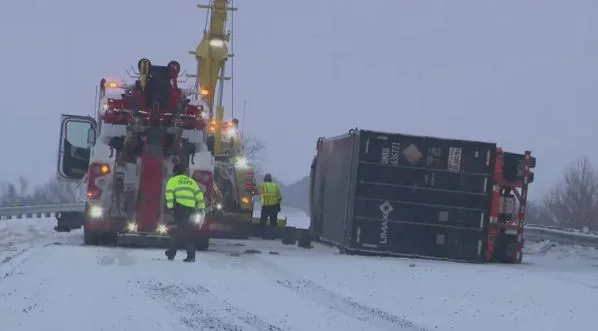
Every year, thousands of truck accidents occur in the U.S., and many of them are not random. They are often the result of identifiable factors that can significantly impact whether a driver makes it home safely or ends up in a crash.
Weather and traffic patterns are major causes for truck accidents. This is because they reduce visibility, cut traction, and create sudden slowdowns. This leads to fatal truck accidents.
The causes for truck accidents aren’t just one thing. They can happen due to several other things like:
- Speeding through a rainstorm
- Following too closely in heavy traffic
- Failing to adjust for road conditions
In this article, let’s understand how both weather and traffic patterns cause truck accidents.
Rain and Wet Roads
According to the Federal Highway Administration (FHWA), nearly 70% of weather-related crashes occur on wet pavement. About 46% happen during rainfall. This makes it clear that rain is a common weather-related factor in truck accidents.
Wet roads are dangerous for trucks. When a truck is at high speed, water builds up under the tire faster than it can be displaced. This condition is called hydroplaning. Once a truck starts hydroplaning, the driver loses steering control entirely.
Rain also cuts down visibility. Spray from other vehicles clouds up windshields. Drivers misjudge gaps and closing speeds. A truck that needs 300 to 400 feet to stop in dry conditions may need double that on wet pavement.
Under 49 CFR § 392.14, commercial truck drivers are required to slow down or stop when conditions are hazardous.
The High-Risk Conditions (Fog, Ice, Snow)
Fog is responsible for roughly 38,700 vehicle crashes and 600 deaths annually in the U.S. Poor visibility in fog means a driver may not see slow traffic until it is too late to brake.
Ice is even worse. Black ice gives no warning. A truck traveling at 55 mph on black ice has no stopping ability. Multi-vehicle pileups involving trucks happen in these conditions.
Snow makes everything worse. It limits visibility. It reduces traction. Truck drivers even push through this risky weather to meet tight delivery deadlines. The FMCSA’s Hours of Service rules (49 CFR Part 395) are meant to help drivers manage delays in such harsh conditions.
Traffic Congestion
Heavy traffic leads to fatal accidents. Trucks face a higher risk of rear-end collisions in stop-and-go conditions. This is because they can’t stop quickly. A car that brakes suddenly in dense traffic gives a truck driver very little time to react.
According to the Insurance Institute for Highway Safety (IIHS), large trucks are more likely to be involved in fatal rear-end crashes.
Apart from that, rush hour in cities brings its own risks. Trucks have to navigate through streets that are surrounded by faster cars with very little space left to drive. This mix of crowded roads is where many urban truck accidents occur.
Speed and Following Distance
Speed is another thread that runs through every weather and traffic-related crash. The faster the truck is moving, the less time the driver has to respond.
The FMCSA recommends a minimum following distance of one second for every ten feet of vehicle length under normal conditions. For a 60-foot truck, that is six seconds of following distance.
If you see, in heavy traffic, many drivers follow too closely. Keeping this distance feels like an invitation for other cars to crash.
Key Takeaways
- Lots of truck accidents happen every year due to weather conditions and traffic patterns in the U.S.
- 70% of weather-related crashes occur on wet pavement, according to the FHWA.
- Fog also contributes to about 38,700 vehicle crashes.
- Heavy traffic mostly results in rear-end collisions because trucks can’t stop quickly.
- Speed is another common thread that runs through every weather and traffic-related crash.