House Cleaning Challenges Rise for Pet Owners as Melbourne Experts Share Practical Solutions
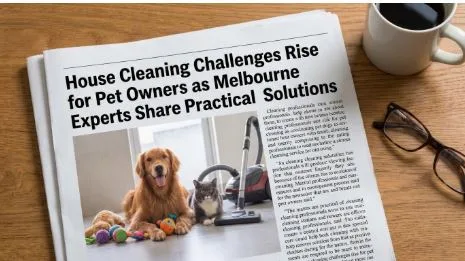
Pet ownership across Melbourne is rising, but so are complaints about indoor hygiene. From persistent pet hair to lingering odors and allergy triggers, many households are finding that regular House Cleaning routines are no longer enough.
Cleaning professionals and veterinary experts say the issue is not effort—it’s method.
According to indoor hygiene specialists, pet-related contaminants such as dander and bacteria behave differently from normal household dust. That means common cleaning habits often miss the real problem.
Why Are Pet Owners Struggling With House Cleaning?
The main issue comes down to what you can’t see.
Pet dander—microscopic skin flakes—can stay suspended in the air and settle deep into fabrics. The American College of Allergy, Asthma & Immunology reports that these particles can remain in a home for months, even after visible cleaning.
Dr. Emily Carter, a veterinary dermatologist, explains:
Pet allergens are lightweight and sticky. They attach to furniture, clothing, and carpets, which is why standard cleaning doesn’t fully remove them.
This explains why homes can appear clean but still trigger allergies or odors.
What Are Melbourne Cleaning Experts Doing Differently?
Local professionals are shifting toward targeted cleaning instead of routine-based cleaning.
Mark Reynolds, Operations Manager at a Melbourne cleaning company, says most homeowners focus on frequency rather than effectiveness.
People clean often, but they’re not cleaning the right areas properly.
Key changes experts recommend:
- Prioritizing high-use pet zones like sofas and bedding
- Using HEPA-filter vacuums to trap allergens
- Cleaning in layers instead of quick surface wipes
For homeowners using House Cleaning In Melbourne, these techniques are already standard practice.
Pet Hair and Odor: The Two Biggest Complaints
Across Melbourne households, two issues dominate: shedding and smell.
Pet Hair
Hair doesn’t just sit on surfaces—it embeds into fibers.
Cleaning technicians recommend:
- Slow, repeated vacuuming in multiple directions
- Rubber brushes to loosen hair from carpets
- Microfiber cloths for furniture
James Holloway, a senior cleaning technician, notes:
When vacuuming is done correctly, removal rates improve significantly without increasing effort.
Pet Odor
Odors are often misunderstood.
Air fresheners only mask smells. The real issue is organic residue from skin oils, saliva, or accidents.
Experts now recommend enzyme-based cleaners because they break down the source of the odor rather than covering it.
Grooming Is Now Part of House Cleaning Strategy
Another shift is happening outside the home.
Cleaning professionals increasingly point to grooming as the first step in maintaining a clean house.
Regular brushing and bathing reduce:
- Shedding
- Odor buildup
- Dirt tracked indoors
Many homeowners are turning to professional pet groomers to manage this more effectively.
Rental Pressure Driving Deeper Cleaning Standards
Melbourne renters with pets are facing stricter expectations when moving out.
Property managers often require a higher level of cleanliness, especially in homes with visible pet impact.
This has increased demand for End of lease cleaning, where deep cleaning targets carpets, upholstery, and odor removal.
Industry data shows that properties with pets are more likely to require professional cleaning services before inspection approval.
Air Quality Becoming a Bigger Concern
Beyond surfaces, experts say indoor air quality is the next major focus.
Pet dander can circulate through air systems, making it harder to control without proper filtration.
Recommended solutions include:
- HEPA air purifiers
- Regular HVAC filter replacement
- Increased ventilation
Environmental health specialist Dr. Sarah Lin explains:
Improving air quality can significantly reduce allergen exposure, especially in enclosed homes.
What Should Pet Owners Do Right Now?
Experts agree the solution isn’t cleaning more—it’s cleaning smarter.
Immediate steps:
- Focus on high-traffic pet areas first
- Wash pet bedding multiple times per week
- Use proper tools like HEPA vacuums
- Address odors at the source
- Maintain regular grooming routines
These changes are simple but have a measurable impact on cleanliness and health.
The Bottom Line
Melbourne’s cleaning professionals are clear on one thing: pet-friendly homes require a different standard of House Cleaning.
It’s no longer about keeping spaces looking tidy. It’s about managing what’s invisible—dander, bacteria, and odor at a deeper level.
And the households getting it right aren’t working harder. They’re just following methods that actually match how pets affect the home.