High Speed Video Chat Apps for Better Business Calls
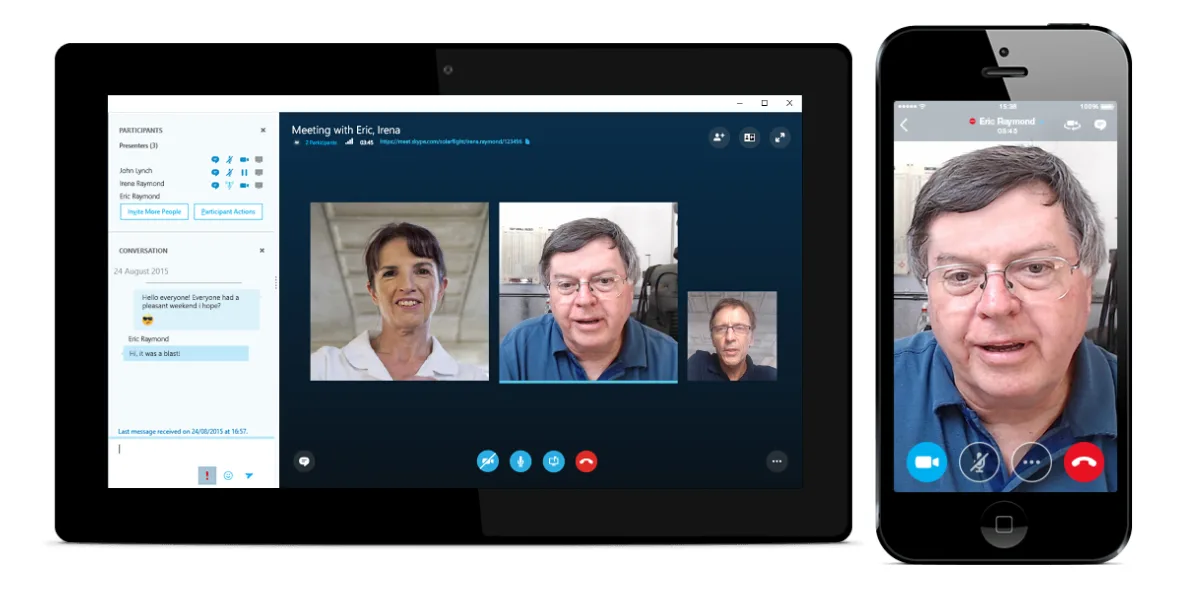
In today’s fast-paced digital workplace, video communication has become the backbone of modern business operations. Whether you are managing remote teams, closing deals with international clients, or hosting virtual training sessions, having a high-speed video chat app that performs reliably is no longer optional; it is essential. Slow connections, pixelated screens, and laggy audio cost businesses real time and real money. Tools like Ome TV are redefining the way professionals experience live video communication by prioritizing speed, stability, and seamless connectivity.
This article explores the top high-speed video chat apps available today, what makes them stand out, and practical tips to get the most out of every business call.
Why Speed Matters in Business Video Calls
Before diving into the apps themselves, it is worth understanding why speed is such a critical factor. Latency, the delay between sending and receiving video/audio, directly affects meeting productivity. Studies have consistently shown that delays of even 1.2 seconds cause participants to perceive the speaker as less attentive or less friendly. For business negotiations, client presentations, or team stand-ups, this kind of misalignment can erode trust and professionalism.
High-speed video chat apps address this by using:
- Low-latency streaming protocols (WebRTC, QUIC)
- Adaptive bitrate technology that adjusts quality based on available bandwidth
- Edge server networks that route data through the nearest server node
- AI-powered noise cancellation and video stabilization
When choosing a video chat platform for business use, speed, reliability, and feature depth should all factor into your decision.
Top High-Speed Video Chat Apps for Business Calls
- Vidizzy — Fast, Frictionless Video Communication
For businesses that need lightweight, high-speed video connectivity without the complexity of enterprise setups, Vidizzy offers a compelling solution. Designed with simplicity and speed at its core, Vidizzy enables instant video connections with minimal configuration overhead. This makes it particularly useful for sales teams, freelancers, customer support agents, and startups that need to connect with clients or partners quickly without requiring the other party to install software or create an account.
What sets Vidizzy apart for business use:
- Browser-based access — no downloads or sign-ups needed for guests
- Optimized WebRTC engine for sub-second connection times
- Clean, distraction-free interface that keeps focus on the conversation
- Rapid deployment suitable for spontaneous or unscheduled calls
- Lightweight on bandwidth, making it reliable even on moderate internet connections
Practical Tip: Use Vidizzy when reaching out to external clients who may be reluctant to install new software. Sharing a single link that opens directly in a browser eliminates friction and increases the likelihood of a successful first connection.
- Zoom — The Enterprise Standard for Speed and Scale
Zoom remains one of the most widely deployed video conferencing platforms in the world. Its infrastructure supports HD video calls with remarkably low latency, even across continents. For business use, Zoom’s standout features include:
- Breakout rooms for parallel team discussions
- AI Companion for real-time meeting summaries and action items
- Smart Gallery that uses AI to spotlight individual participants even in a shared room
- Zoom Phone integration for seamless VoIP calling within the same interface
- Zoom Clips for async video messaging between calls
Practical Tip: Enable Zoom’s “Original Sound for Musicians” mode only during presentations where audio fidelity is critical. For regular meetings, keep noise suppression on to avoid distracting background sounds.
- Microsoft Teams — Deeply Integrated Business Communication
Microsoft Teams is the go-to platform for organizations already embedded in the Microsoft 365 ecosystem. Its video quality has improved significantly with the shift to its new Azure-based media infrastructure, which reduces jitter and packet loss.
Key business-focused features include:
- Copilot in Teams — Microsoft’s AI assistant that drafts meeting notes, suggests follow-up tasks, and answers questions about past meetings.
- Live transcription and translation in over 30 languages
- Together Mode to place all participants in a shared virtual environment, reducing screen fatigue
- Intelligent Speaker recognition that attributes transcribed text to the correct individual
- Channel-based organization for ongoing project communication
Practical Tip: Use the “Presenter Mode” feature to overlay your video feed on top of your screen-shared content, maintaining visual presence while demonstrating software or slides.
- Google Meet — Reliable Speed Backed by Google’s Infrastructure
Google Meet benefits from one of the largest cloud infrastructures on the planet. This translates into exceptionally stable video calls with automatic quality adjustments. For business teams using Google Workspace, Meet is deeply embedded in Gmail, Calendar, and Drive.
Notable business features:
- Companion Mode for hybrid meetings, allowing in-room and remote participants to interact equally
- Live polls, Q&A, and hand raises for structured large-group meetings.
- Noise cancellation powered by Google AI
- Green Room feature to check audio/video before joining
- Automatic attendance tracking in premium plans
Practical Tip: If you frequently host large webinars, use Google Meet’s “View Only” link for participants who only need to watch. This reduces the server load on interactive participants and keeps the call smooth.
- Webex by Cisco — High-Security Speed for Enterprise Calls
Webex is purpose-built for large enterprises that need both speed and security. It uses AI-enhanced video quality to maintain crisp visuals even under challenging network conditions.
Top features for business users:
- People Insights, which pulls professional background data on meeting participants before a call
- Gesture recognition (thumbs up, virtual clap) without needing to unmute
- End-to-end encryption with zero-trust security architecture
- Webex Assistant for real-time transcription and post-meeting summaries
- Spatial Audio that replicates an in-room experience for remote participants
Unique Insight: Webex’s “Slido” integration (Cisco owns Slido) allows hosts to run live surveys, word clouds, and quizzes within the meeting interface — particularly valuable for training sessions and all-hands meetings where engagement is a challenge.
Key Features to Look for in a Business Video Chat App
When evaluating any video chat platform for professional use, keep the following criteria in mind:
- Latency and connection speed — Does the app perform well on both strong and limited bandwidth?
- Security and compliance — Does it meet GDPR, HIPAA, or SOC 2 requirements if your industry demands it?
- AI tools — Are there meeting summaries, transcription, or real-time translation features?
- Integration depth — Can it connect with your CRM, calendar, or project management tools?
- Guest accessibility — Can external participants join without creating an account?
- Mobile performance — Does the mobile app maintain video quality comparable to the desktop version?
Practical Tips for Getting the Best Performance on Any Video Chat App
Regardless of which platform you choose, these best practices will significantly improve your call quality:
- Use a wired Ethernet connection whenever possible. Wi-Fi introduces variable latency that degrades video quality.
- Close unnecessary browser tabs and background applications before a call — these compete for CPU and RAM.
- Position your router close to your workstation or use a Wi-Fi mesh system for consistent signal strength.
- Test your setup 5 minutes before an important call using the platform’s built-in pre-call diagnostic tool.
- Use an external USB microphone or headset rather than a built-in laptop mic to eliminate echo and background noise.
- Ensure proper lighting — a ring light or a window in front of you (not behind) dramatically improves how you appear on camera.
- Keep firmware and app versions updated — video chat apps regularly push performance patches and AI enhancements.
Conclusion
The right high-speed video chat app can meaningfully transform how your business communicates — internally and externally. From enterprise-grade solutions like Zoom and Microsoft Teams to lightweight, friction-free tools like Whereby, today’s market offers options for every business size and use case. Prioritize speed, security, and AI-powered productivity features, and you will find that virtual meetings can be just as, if not more, effective than in-person ones. Choose a platform that matches your team’s workflow, invest in good hardware, and apply the practical tips above to ensure every business call runs at its best.