Kitchen Cabinetry That Works: Style Choices, Smart Storage, and Lasting Value
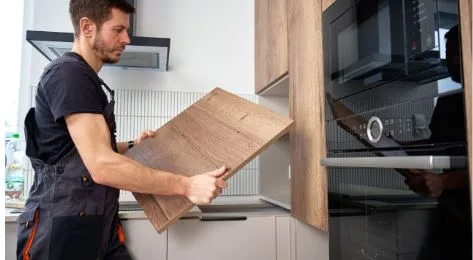
Walk into any kitchen and your eyes go straight to the cabinets. They take up most of the visual space, and they quietly shape how the room feels. A cramped kitchen can feel more open with the right layout.
A large one can feel warm and grounded instead of empty. Cabinets also carry the weight of daily use. Doors open and close dozens of times a day. Drawers slide in and out. Over time, small design decisions reveal their true impact.
It is easy to think of cabinetry as a background feature, but it rarely stays in the background. When it works well, everything else in the kitchen feels easier. When it does not, even simple tasks become frustrating.
Finding a Style That Fits Your Space
Style is often the first thing people think about. Clean lines, soft edges, bold colours, or subtle tones all tell a story. Shaker cabinets continue to stand out for their simplicity. They blend into many interiors without looking out of place. Flat-panel cabinets feel more modern. They create a smooth, uncluttered look that works well in smaller kitchens where visual noise can feel overwhelming.
Traditional styles still have their place. Raised panels and detailed trims bring texture and depth. They suit homes where character matters more than minimalism. Colour choices can shift the mood entirely. Soft whites and warm greys keep things calm.
Deep blues or forest greens add contrast and a bit of personality. Some homeowners mix finishes, pairing lighter upper cabinets with darker bases. It adds depth without making the room feel heavy.
Materials and Finishes That Hold Up
The look of a cabinet is only part of the story. What it is made from matters just as much. Solid wood has a natural appeal that many people appreciate. It ages well, and minor wear can even add character. MDF is often chosen for painted cabinets because it gives a smooth, even surface. Plywood is commonly used for cabinet boxes since it handles moisture better than some alternatives.
Finishes deserve careful thought. A glossy surface reflects light and can brighten a dim kitchen, though it may show fingerprints more easily. Matte finishes tend to hide marks, making them easier to live with in busy households. Hardware choices, such as handles and knobs, can shift the feel of the entire design. A small change here can make cabinets look modern, classic, or somewhere in between.
Storage That Matches Real Life
Storage is where cabinetry proves its worth. A beautiful kitchen loses its charm if it cannot handle daily routines. Deep drawers for pots and pans can replace awkward lower shelves. Pull-out racks make it easier to reach items at the back. Corner cabinets, often ignored, can become useful with rotating shelves or sliding systems.
Vertical storage is another detail that changes how a kitchen works. Baking trays, cutting boards, and lids all need a place. Built-in dividers keep them upright and easy to grab. Small touches, like drawer inserts for utensils or hidden compartments for spices, reduce clutter on countertops.
Working with a kitchen cabinets company in Richmond Hill, like Morsun Kitchen Cabinets, can help turn these ideas into something practical. Local knowledge, combined with an understanding of how people actually use their kitchens, often leads to better results than copying a showroom display.
Budget, Quality, and Long-Term Thinking
Cabinetry can take up a large portion of a renovation budget, so choices here matter. Stock cabinets are usually the least expensive option. They come in standard sizes and limited finishes. Semi-custom cabinets offer more flexibility, allowing adjustments in dimensions or colours. Fully custom work opens the door to unique layouts and materials, though it comes at a higher price.
Cost alone should not drive the decision. Construction quality plays a big role in how cabinets age. Strong joints, solid backing, and durable finishes can make a noticeable difference after years of use. Cheaper options may look fine at first but show wear sooner.
It helps to think about how long you plan to stay in the home. Short-term plans may lead to different choices than a long-term investment. Spending a bit more on durability can make sense if the kitchen will see heavy use over many years.
Small Details That Make a Big Difference
It is often the smaller elements that shape everyday experience. Soft-close hinges prevent doors from slamming. Full-extension drawer slides make it easier to reach items at the back. Interior lighting inside cabinets can add both function and atmosphere.
Even spacing and alignment matter. Cabinets that are slightly off can disrupt the look of the entire kitchen. Good installation is just as important as good design. Measurements need to be precise, and adjustments should be made carefully during the process.
Bringing It All Together
Kitchen cabinetry sits at the centre of both design and daily life. It influences how the room looks, how it feels, and how easily it works. Style choices set the tone, while materials and construction shape durability. Storage solutions quietly support everyday routines, making tasks smoother and less stressful.
A well-planned cabinet layout does not call attention to itself. Instead, it blends into the background while making everything else feel easier. That balance between form and function is what turns a kitchen into a space people enjoy using, day after day.