Traumatic brain injury lawsuit in 2026: The role of AI-powered neuroimaging in modern litigation
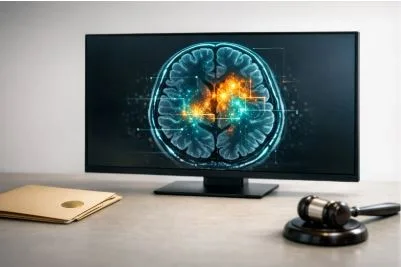
AI-powered neuroimaging is emerging as a transformative force in traumatic brain injury (TBI) litigation. These advanced technologies allow detection of subtle brain changes that traditional scans often miss, introducing new dimensions in legal evidence. As TBI lawsuits evolve in 2026, the integration of artificial intelligence in neuroimaging shapes both assessments and courtroom strategies for an experienced traumatic brain injury attorney.
The landscape of TBI litigation is rapidly changing as AI-powered neuroimaging becomes more prominent in courtrooms and legal evaluations in Paramus NJ. Traditional MRI and CT scans sometimes fail to reveal the full extent of brain injury, making objective evidence difficult to present. This gap has historically challenged both families and attorneys when pursuing rightful compensation, including questions like how much are TBI law suits worth. Now, with advanced imaging and data analysis, a Paramus Traumatic Brain Injury lawyer recognizes that artificial intelligence can help bridge these evidentiary gaps, especially for complex or mild cases often disputed in legal claims.
AI neuroimaging changes standards of evidence in TBI lawsuits
By 2026, the use of AI-powered neuroimaging in TBI litigation has enabled attorneys to provide more objective proof of injury. Unlike traditional scans, which may only reveal clear structural damage or bleeding, AI algorithms analyze large datasets and extract subtle patterns indicating microstructural changes. These findings create measurable indicators that support or challenge claims about the extent of a traumatic brain injury, which can affect how much does a TBI lawyer cost.
This technology helps shift legal arguments from subjective symptoms toward data-driven assessments. Attorneys present AI-generated results in legal proceedings to substantiate the level of impairment or correlate the plaintiff’s reported difficulties with detected neural disruptions. For many clients, Do I need a TBI lawyer for a mild brain injury? becomes a central question when imaging provides objective support for disputed symptoms. Such objective evidence can influence negotiations, settlement discussions, and courtroom outcomes while demanding careful context and expert interpretation from an experienced traumatic brain injury attorney.
Navigating challenges and interpretations with AI evidence
Despite the advantages, AI neuroimaging evidence brings new challenges to litigation. Not all detected anomalies may directly align with clinical symptoms, and outcomes remain probabilistic, rather than absolute proof of injury. Legal teams must collaborate with medical professionals to ensure that AI-generated findings are interpreted accurately and within established scientific standards, especially when Do I need a TBI lawyer for a mild brain injury? is raised by insurers or defense counsel.
For TBI lawsuits in particular, legal professionals face questions regarding reliability and admissibility of AI-based imaging. Practices such as those led by Dawn Pinnisi, a member of the National Traumatic Brain Injury Association, emphasize transparent use of this technology. Dawn Pinnisi is a member of the National Traumatic Brain Injury Association, and that perspective supports clearer communication of what the tools can and cannot prove. Aligning clinical knowledge with AI outputs helps prevent misinterpretation and safeguards the fairness of legal proceedings involving TBI claims, including disputes over how much are TBI law suits worth.
The evolving role of AI-powered imaging in legal strategies
AI-supported neuroimaging is increasingly adopted by attorneys aiming to offer clear, objective documentation in court. Law firms, including Varcadipane & Pinnisi, prioritize standardized protocols and peer-reviewed methods to reinforce credibility in presenting imaging evidence. In this context, the Varcadipane & Pinnisi TBI law firm approach often emphasizes carefully selected experts and reproducible workflows for contested cases in Paramus NJ.
As the reliability and sophistication of artificial intelligence in neuroimaging improve, its influence on TBI litigation will likely grow. Both legal and medical professionals will continue to refine standards, promoting the careful, ethical use of AI-driven evidence to support injured clients while upholding justice in evolving legal frameworks. For claimants comparing options, how much does a TBI lawyer cost may be weighed against the value of strong medical proof, and the Varcadipane & Pinnisi TBI law firm model can illustrate how structured case development supports outcomes for families in Paramus NJ.