Why Colorado Homes Are Struggling With Changing Climate Conditions
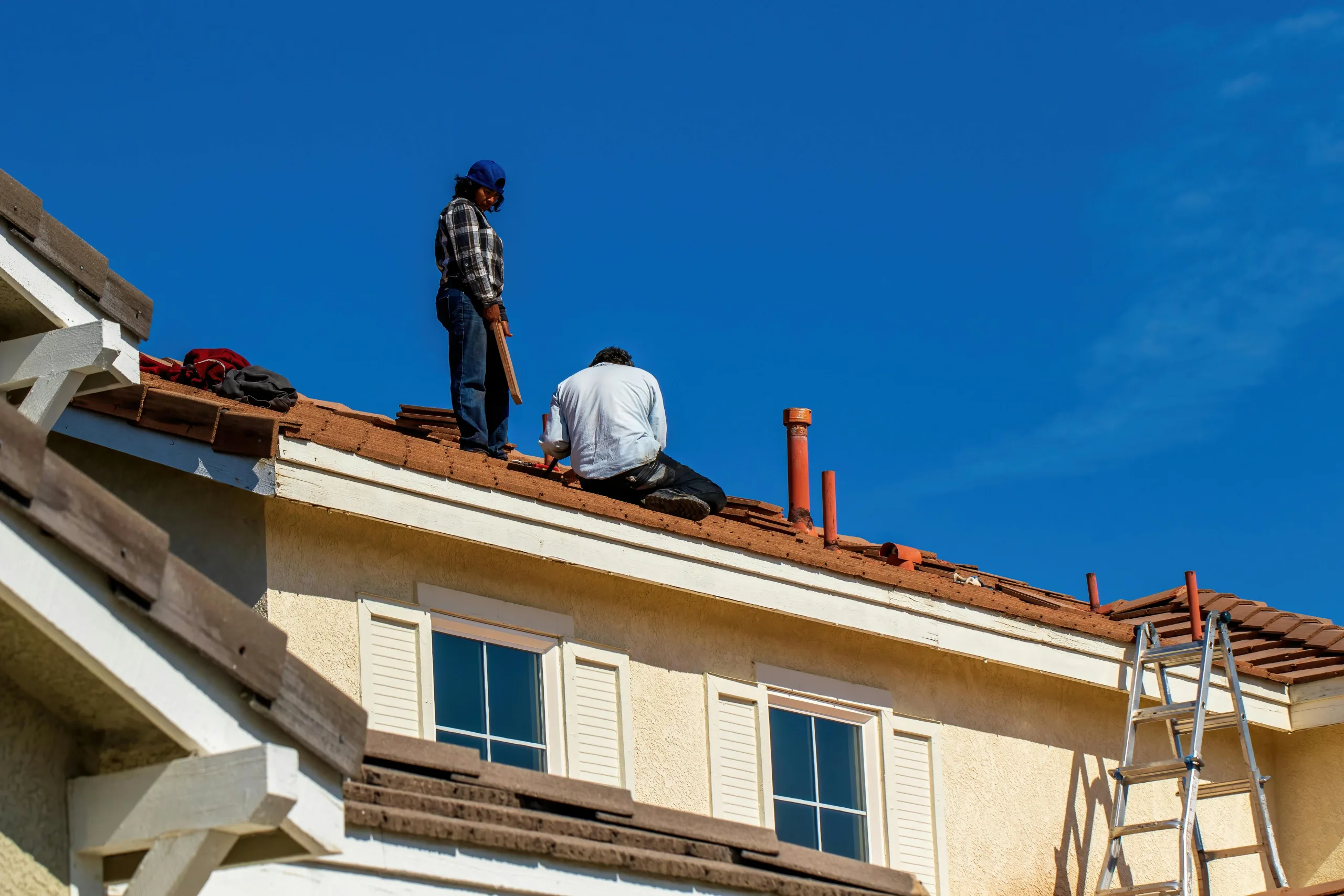
You may not notice how Colorado’s climate affects your home each day, as most days feel mild or sunny. However, the damage builds over time due to fast weather shifts. Warm days can turn cold within hours, and snow often melts and refreezes.
These patterns put stress on your home’s structure. You may focus on visible issues like cracks or leaks. The real problem is gradual wear. Small changes add up and lead to costly repairs later.
To avoid this, you need to understand these hidden risks. The impact is not sudden but steady and is often overlooked. These patterns are already exposing weaknesses in how homes were built.
Many Colorado Homes Aren’t Built for Today’s Climate
Many homes in Colorado were built for older weather patterns. Those patterns were more stable. Today’s climate is more extreme and less predictable.
Rapid temperature swings now stress building materials. Water enters small cracks and freezes. This expands the cracks and weakens the structure. These limits now show in daily living conditions.
According to Denver7, many homes across Colorado, especially those in Denver, built before the 1980s, were not designed for current climate extremes. These homes lack proper insulation and cooling systems.
Residents report indoor temperatures reaching 80 to 95 degrees during heat waves, while winter cold creates high heating costs. This strain reflects broader climate changes across the state.
The Colorado Sun reports that Colorado is seeing hotter conditions and reduced water availability, with drought and heat becoming more frequent across the state. These changes are already affecting land, crops, and daily living conditions. The pressure builds over time.
You may not see damage right away. But over time, these small failures grow into larger issues.
Drainage Issues Are Becoming a Costly Problem for Homeowners
Water is a primary threat to properties in Colorado. Storms are increasingly intense, and rapid snowmelt often follows deep freezes.
When water collects near foundations, it triggers the “hydraulic jacking” of expansive clay soils. This results in foundation shifts, roof leaks, and basement moisture. In Aurora, these risks are documented.
As of early 2026, the city updated its technical storm drainage criteria. These standards address shifting hydrologic patterns and localized flooding. Many residential lots in the area sit near open spaces where windblown debris frequently clogs drainage systems.
To manage this, having gutter protection systems in place has become a common strategy in the city. In Aurora, gutter guards should be installed to reduce blockages during intense storms and ease drainage pressure.
K-Guard Rocky Mountains notes that these gutter systems are specifically designed to handle the Rockies’ heavy rainfall and rapid snowmelt. This focus on water control connects to a larger shift in home design toward resilience.
Homes are being rebuilt with fire-resistant siding, metal roofs, and “hardened” windows. Some designs even control airflow to slow fire spread. These upgrades aim to improve resilience against flooding and wildfires, but costs remain a major barrier.
Colorado’s Intense Sun Is Wearing Homes Down Faster
You may not think of sunlight as a risk. In Colorado, that is not the case. In this environment, the sun plays a major role in home damage. The state’s higher elevation increases UV exposure, which affects your home all year, not just in summer.
Roof shingles break down faster under strong UV rays. Paint fades and cracks as wood dries out and weakens over time. This trend is becoming more evident. CPR News reports that 2025 ranked among the warmest years on record in Colorado, with several months recording above-average temperatures.
The state also saw sharp swings between heat and cooler periods, along with drought conditions followed by intense precipitation. These shifts increase overall exposure to heat and sunlight across seasons. This adds strain to exterior materials.
Unlike storms or snow, this damage is constant. It does not stop or slow down. You may not notice it until surfaces start to fail. Regular checks can help you spot early signs. Ignoring this exposure will shorten the life of your home’s exterior.
Rising Climate Risks Are Changing Costs and Home Design
Winter still brings heavy risks, as snow builds up on roofs. When it melts and refreezes, it creates ice dams. These dams trap water under shingles. The water then moves into your home and causes hidden leaks and insulation damage.
The impact is not limited to repairs. It will affect your finances too. The University of Colorado Boulder explains that rising climate risks are pushing insurance costs higher. When premiums increase, buyers often lower what they are willing to pay for homes. This raises total ownership costs and changes housing market behavior.
Higher premiums also discourage long-term investment in high-risk areas. This financial pressure is also changing how homes are built. NPR reports that after the Marshall Fire, some Colorado neighborhoods rebuilt themselves using fire-resistant materials and simple upgrades like mesh screens and ember-resistant vents.
These steps help block embers, which are a leading cause of homes catching fire during wildfires. This reflects a clear shift, where residents are no longer just maintaining their homes but are adapting them for future risks.
People Also Ask
How does Colorado’s high altitude affect roofing materials?
At higher elevations, the thinner atmosphere provides less protection from intense UV radiation. This accelerates the “thermal shock” process, where shingles expand and contract rapidly during 40-degree temperature swings. Over time, this makes asphalt shingles brittle, causing them to lose granules and crack much sooner than in lower-altitude states.
What are the most durable siding options for Colorado’s climate?
Fiber cement and engineered wood are top choices because they resist moisture and fire. Unlike vinyl, which can become brittle and crack in extreme cold, these materials handle the Front Range’s intense sun and hail. They provide a sturdy barrier that maintains its shape despite Colorado’s frequent freeze-thaw cycles.
How can I prevent ice dams on my Colorado home?
The most effective solution involves enhancing attic insulation and ventilation to ensure a steady roof temperature. This prevents snow from melting over the living space and refreezing at the cold eaves. Additionally, keeping your gutters clear of debris allows meltwater to flow freely rather than backing up.
Climate damage in Colorado builds slowly over time, which makes it easy to ignore. Small cracks, minor leaks, and faded surfaces may not seem urgent. But they often signal deeper issues. You now face risks that go beyond repairs.
Climate impact affects your home’s value, safety, and long-term costs. If you act early, you can prevent major damage. Regular checks and small upgrades can make a big difference. Understanding these patterns helps you stay ahead. It also helps you protect your home for the years ahead.