Why Flat Pack Containers Are Transforming Modern Storage and Logistics
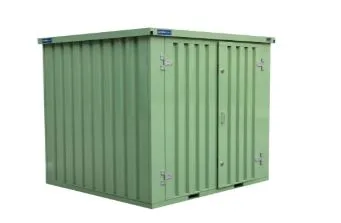
Modern businesses are under increasing pressure to operate efficiently, adapt quickly, and control costs across their operations. In sectors ranging from construction to retail and logistics, traditional storage solutions are not always flexible enough to meet evolving demands. As a result, flat pack containers are gaining attention as a practical alternative that addresses several long-standing operational challenges.
What Are Flat Pack Containers and Why Are They Relevant Today?
Flat pack containers are modular storage units delivered in a disassembled form and assembled on-site. Unlike traditional shipping containers, which arrive fully built, these units are designed to be transported compactly and installed where needed.
This approach aligns with broader shifts in supply chain and infrastructure planning. Businesses are increasingly prioritizing solutions that reduce friction in transportation, improve deployment timelines, and allow for adaptability across multiple locations. Flat pack containers meet these needs by offering a combination of portability and structural reliability, making them suitable for both temporary and semi-permanent applications.
Overcoming Site Access and Delivery Limitations
One of the most common logistical challenges businesses face is getting storage units into constrained or hard-to-reach environments. Urban construction sites, remote job locations, and facilities with limited access points often cannot accommodate large, pre-assembled containers.
Flat pack containers solve this issue by being delivered in sections that can be moved through narrow spaces and assembled directly on site. This capability reduces the need for specialized transport equipment and minimizes disruptions during delivery. For industries operating in dense urban environments or geographically challenging areas, this flexibility can significantly streamline project setup.
Reducing Transportation Costs and Improving Efficiency
Freight and transportation costs continue to be a major concern for organizations managing multiple sites or large-scale operations. Traditional containers require significant space during transport, often resulting in higher shipping costs and inefficiencies.
Because flat pack containers are shipped in a compact form, more units can be transported in a single load. This reduces the number of deliveries required and lowers overall logistics expenses. According to guidance from the U.S. Department of Transportation, optimizing freight efficiency is a key factor in reducing operational costs and improving supply chain performance.
For businesses managing distributed operations, these efficiencies can translate into measurable cost savings over time.
Accelerating Deployment and Operational Readiness
Speed is another critical factor driving interest in modular storage solutions. Delays in setting up infrastructure can have a direct impact on project timelines and productivity.
Flat pack containers are designed for rapid assembly, allowing teams to deploy storage or workspace solutions quickly without extensive construction requirements. This is particularly valuable in industries where timelines are tight and conditions may change rapidly, such as construction, disaster response, or temporary event management.
The ability to quickly assemble, disassemble, and relocate these units supports a more agile approach to operations. Organizations can respond faster to changing needs without being constrained by fixed infrastructure.
Supporting Flexible and Scalable Business Operations
Modern businesses often require solutions that can scale alongside their operations. Whether expanding into new markets, managing seasonal demand, or supporting temporary projects, flexibility is essential.
Flat pack containers provide a modular approach that allows organizations to add or remove units as needed. They can be reconfigured, relocated, and repurposed across different use cases, from secure storage to temporary offices or equipment housing.
For example, insights from the National Institute of Building Sciences highlight the growing importance of adaptable building systems in improving operational resilience. Modular solutions like flat pack containers align with this trend by offering both durability and flexibility without the permanence of traditional structures.
Midway through evaluating these options, many businesses explore available configurations and specifications from providers such as Flat Pack Containers to better understand how these systems can be applied to their specific operational needs.
Key Considerations When Evaluating Storage Solutions
While flat pack containers offer clear advantages, businesses should still evaluate their specific requirements before choosing a solution. Factors such as load capacity, environmental conditions, security needs, and frequency of relocation all play a role in determining the best fit.
In some cases, traditional containers may still be appropriate, particularly for permanent installations. However, for organizations prioritizing flexibility, cost efficiency, and rapid deployment, flat pack containers present a compelling alternative that aligns with modern operational demands.
Conclusion
As industries continue to evolve, the need for adaptable, efficient, and scalable infrastructure solutions is becoming more pronounced. Flat pack containers address several of the key challenges associated with traditional storage, including delivery constraints, transportation costs, and deployment delays.
By enabling businesses to operate more flexibly and efficiently, these solutions are playing an increasingly important role in modern logistics and site management strategies.
Additional Resources
For further insights into modular storage options, explore Storage Containers.