Building Resilient Freight Networks Through Integrated Logistics and Sustainable Transport
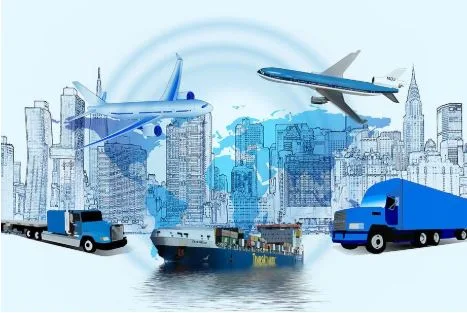
Freight transportation has become increasingly complex as global trade expands and supply chains stretch across multiple regions. The pressure to deliver goods efficiently, reliably, and sustainably has led to a shift in how logistics networks are designed. Rather than relying on isolated systems, the industry is moving toward integrated models that connect infrastructure, technology, and operational planning into a unified framework.
This evolution is particularly significant in sectors such as heavy haul and large-scale freight, where coordination across multiple transport modes is essential. The ability to maintain resilience in the face of disruptions—whether caused by economic shifts, infrastructure limitations, or environmental factors—has become a defining characteristic of successful logistics operations.
The Importance of Integrated Logistics Networks
An integrated logistics network brings together various transportation modes, storage facilities, and distribution systems into a cohesive structure. This approach allows for greater flexibility in routing, improved resource utilization, and enhanced visibility across the supply chain. Instead of operating in silos, each component works in coordination with the others to support efficient freight movement.
Such integration is especially valuable when disruptions occur. If one segment of the network experiences delays, alternative routes or modes can be activated to maintain continuity. This adaptability reduces downtime and helps ensure that goods reach their destinations without significant interruption.
Insights into how integrated logistics strengthens trade resilience can be seen in developments like regional supply chain initiatives, where coordinated infrastructure and operations enhance the stability of freight systems.
Sustainability as a Driving Force in Freight Transportation
Environmental considerations are playing a larger role in shaping logistics strategies. As regulatory requirements evolve and organizations seek to reduce their carbon footprint, sustainable transport solutions are becoming a priority. This shift is influencing everything from vehicle selection to route planning and infrastructure investment.
The adoption of electric delivery vehicles, for example, reflects a broader effort to reduce emissions in freight operations. Innovations highlighted in electric logistics vehicle development demonstrate how companies are rethinking traditional transportation models to align with sustainability goals.
While these technologies are often associated with last-mile delivery, their impact extends across the supply chain. As infrastructure for alternative energy expands, opportunities for broader adoption in freight and heavy haul operations will continue to grow.
Challenges in Sustainable Heavy Haul Transport
Heavy haul logistics presents unique challenges when it comes to sustainability. The size and weight of cargo require specialized equipment and significant energy consumption. Transitioning to more sustainable solutions in this segment requires careful consideration of both technological feasibility and infrastructure readiness.
Despite these challenges, incremental improvements—such as optimizing routes to reduce fuel usage and investing in more efficient equipment—can make a meaningful difference. Over time, advancements in technology are expected to provide additional options for reducing environmental impact in heavy haul operations.
The Role of Infrastructure in Supporting Resilience
Infrastructure remains a fundamental element of freight transportation. Roads, bridges, ports, and rail systems form the physical backbone of logistics networks. Their condition and capacity directly influence the efficiency and reliability of freight movement.
In integrated logistics systems, infrastructure must be designed to support seamless transitions between transport modes. Intermodal facilities, for example, enable goods to move efficiently from ships to trucks or trains, reducing handling times and minimizing delays.
For heavy haul operations, infrastructure considerations are even more critical. Route planning must account for weight restrictions, clearance limitations, and road conditions. Investments in infrastructure upgrades can significantly improve the feasibility and efficiency of transporting oversized cargo.
Operational Expertise in a Connected Logistics Environment
While integration and technology are reshaping logistics, the importance of operational expertise remains unchanged. Experienced professionals play a key role in managing the complexities of freight transportation, from planning routes to coordinating with regulatory authorities.
Organizations such as BearDown Logistics illustrate how combining practical experience with modern logistics strategies can enhance operational effectiveness. By understanding both the technical and real-world aspects of freight movement, providers can navigate challenges more efficiently and maintain consistent service levels.
This expertise is particularly valuable in large-scale or specialized transport projects, where each shipment may involve unique requirements. The ability to anticipate potential issues and adapt plans accordingly is essential for maintaining reliability.
Coordination Across Stakeholders
Freight transportation often involves multiple stakeholders, including carriers, infrastructure operators, government agencies, and clients. Effective coordination between these parties is essential for ensuring smooth operations. Clear communication and shared objectives help reduce misunderstandings and improve overall efficiency.
In integrated logistics networks, this coordination is supported by digital platforms that provide real-time visibility into operations. These systems enable stakeholders to access consistent information, facilitating better decision-making and faster responses to changes.
Adapting to Future Supply Chain Demands
The logistics industry continues to evolve as new technologies and market dynamics emerge. Growing demand for faster delivery, increased focus on sustainability, and ongoing infrastructure development are all shaping the future of freight transportation.
To remain effective, logistics providers must adopt a proactive approach to change. This includes investing in technology, strengthening partnerships, and continuously evaluating operational strategies. Flexibility and adaptability are key to navigating an environment where conditions can shift rapidly.
Integrated logistics networks, supported by sustainable practices and strong infrastructure, provide a foundation for meeting these challenges. By aligning these elements, organizations can build systems that are both efficient and resilient.
Freight transportation is no longer defined by isolated processes but by the connections between them. As these connections continue to strengthen, the ability to manage complexity while maintaining reliability will determine the success of logistics operations in the years ahead.