Understanding the GPT Image 2 Model for AI Image Generation
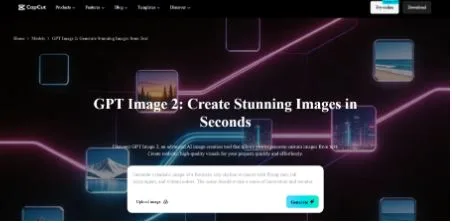
Artificial intelligence continues to reshape how we create and interact with digital content, and one of the most exciting developments is AI-powered image generation. Among the latest innovations, the gpt image 2 model stands out as a powerful yet user-friendly tool designed to transform text into high-quality visuals. Whether you’re a marketer, designer, or content creator, understanding how this model works can open up new possibilities for creativity and efficiency.
What Is GPT Image 2?
The gpt image 2 model is an advanced AI system that generates images based on textual descriptions. In simple terms, you provide a prompt such as “a modern office workspace with natural lighting” and the model produces a visual representation that matches your input.
Unlike traditional graphic design tools that require manual effort and technical skills, GPT Image 2 simplifies the process. It uses deep learning techniques trained on vast datasets to understand context, objects, styles, and composition. This allows users to create unique, high-quality images without needing advanced design knowledge.
How the Model Works
At its core, GPT Image 2 combines natural language processing (NLP) with image generation technology. Here’s a simplified breakdown of how it functions:
- Text Understanding: The model analyzes your input prompt to understand the meaning, context, and desired style.
- Concept Mapping: It identifies objects, relationships, and visual elements described in the text.
- Image Generation: Using learned patterns, it constructs an image that aligns with your description.
- Refinement: The system can adjust details such as lighting, textures, and composition for a polished result.
This process happens in seconds, making it significantly faster than traditional design workflows.
Key Features and Benefits
1. Ease of Use
One of the biggest advantages of GPT Image 2 is its accessibility. You don’t need to be a professional designer to create stunning visuals. A simple text prompt is enough to get started.
2. Customization
Users can generate highly specific images by refining prompts. For example, adding details like “in watercolor style” or “with a futuristic theme” helps tailor the output to exact needs.
3. Speed and Efficiency
Creating visuals manually can take hours. With GPT Image 2, you can generate multiple variations in minutes, making it ideal for fast-paced industries.
4. Cost-Effective
Instead of hiring designers or purchasing expensive stock images, businesses can generate custom visuals at a fraction of the cost.
Applications Across Industries
The versatility of GPT Image 2 makes it valuable in various fields. Here are some common use cases:
E-commerce
Online stores can generate product images, promotional banners, and lifestyle visuals without expensive photoshoots. This is especially useful for startups and small businesses looking to scale quickly.
Content Creation
Bloggers, social media managers, and digital marketers can create eye-catching visuals for posts, thumbnails, and ads. Unique images help improve engagement and brand identity.
Marketing and Advertising
Campaign visuals can be tailored to specific audiences and themes. This flexibility allows marketers to test different creative approaches without additional costs.
Education and Training
Educators can use AI-generated images to illustrate concepts, making learning more interactive and engaging.
Tips for Better Results
To get the most out of GPT Image 2, it’s important to craft effective prompts. Here are some practical tips:
- Be Specific: Include details about objects, colors, style, and mood.
- Use Descriptive Language: Words like “minimalist,” “vintage,” or “high contrast” can guide the model.
- Experiment: Try different variations of prompts to explore creative possibilities.
- Iterate: Refine your prompt based on the results you get.
For example, instead of writing “a car,” you could write “a sleek red sports car on a coastal highway at sunset, cinematic lighting.” The more detail you provide, the better the output.
Limitations to Consider
While GPT Image 2 is powerful, it’s not without limitations. Sometimes, the generated images may not perfectly match the prompt, especially if the description is vague or overly complex. Additionally, fine details like text within images or highly specific brand elements may require further editing.
Understanding these limitations helps users set realistic expectations and use the tool more effectively.
The Future of AI Image Generation
AI image generation is evolving rapidly, and tools like GPT Image 2 are just the beginning. As models become more advanced, we can expect even greater accuracy, realism, and creative control. Integration with other tools such as video generation and 3D design will further expand possibilities.
For businesses and creators, this means faster workflows, reduced costs, and more opportunities to experiment with visual content.
Final Thoughts
The gpt image 2 model represents a significant step forward in AI-driven creativity. By turning simple text prompts into compelling visuals, it empowers users to produce high-quality content with minimal effort. Whether you’re working in e-commerce, marketing, or content creation, this tool offers a practical and innovative way to bring ideas to life.
As AI continues to advance, embracing tools like GPT Image 2 can give you a competitive edge helping you create smarter, faster, and more creatively than ever before.