How to Place Modern Rugs for Functional Home Design
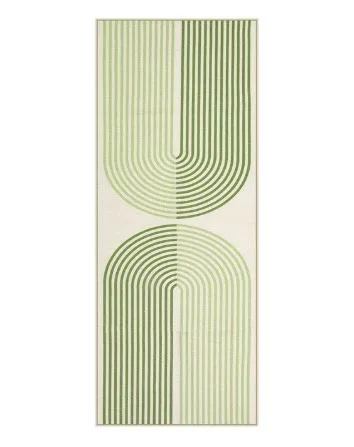
A single rug can completely transform a room—anchoring furniture, softening hard floors, and pulling together a space that felt scattered just moments before. Yet for families navigating the demands of daily life, choosing and placing rugs involves more than picking a pattern you love. There’s the muddy footprint problem, the toddler who treats every surface as a runway, the teenager dragging backpacks across the entryway. Style matters, but so does survival.
Modern rugs offer a compelling solution to this everyday tension. Unlike their ornate predecessors, today’s designs marry clean aesthetics with practical engineering—think stain-resistant fibers, low-pile constructions that don’t trap crumbs, and bold geometric patterns that camouflage life’s inevitable messes. The challenge lies in knowing how to use them effectively.
This article walks you through the essentials of placing modern rugs for functional home design. From understanding what makes a rug truly “modern” to mastering placement principles that improve traffic flow, comfort, and safety, you’ll find actionable guidance tailored to active family living. Whether you’re furnishing a new home or rethinking an existing layout, these strategies will help you create spaces that are both beautiful and genuinely built for the way your family lives.
The Foundation: Understanding Modern Rugs in Functional Design
Modern rugs are defined less by a single look and more by a design philosophy—one that prioritizes clarity over clutter. Clean geometric lines, abstract patterns, and restrained color palettes replace the dense florals of traditional styles. Materials lean toward performance-driven options: polypropylene resists staining, wool offers natural resilience, and flatweave constructions stay low enough to avoid becoming a tripping hazard or crumb collector. What unites these choices is intentionality—every element serves a purpose beyond decoration.
In functional design, rugs do far more than cover floors. They act as invisible architects, drawing boundaries between a reading nook and a play corner, or signaling where a dining area ends and a living space begins—all without a single wall. This spatial definition is especially valuable in open-plan homes where furniture alone struggles to create meaningful zones. A well-placed modern rug gives each area its own identity while keeping the overall space cohesive.
The connection between modern aesthetics and practical usability isn’t coincidental. Designers have responded directly to how people actually live—on the floor with kids, hosting last-minute gatherings, navigating morning routines at speed. The result is a category of rugs that earns its place by performing daily, not just looking good in photographs. Brands like Lahome have built their collections around exactly this principle, offering geometric and abstract designs engineered for real household demands. Understanding this foundation helps you shop smarter and place rugs with confidence.
Mastering Rug Placement for Optimal Flow and Use
Placement is where intention meets reality. A rug positioned even a foot in the wrong direction can make a room feel cramped, disconnected, or awkward to move through. The core principle is simple: rugs should anchor activity, not obstruct it. In living rooms, that means pulling furniture legs onto the rug to create a unified conversation zone rather than leaving pieces floating on bare floor. In dining spaces, the rug needs to extend far enough that chairs remain on it even when pushed back—typically 24 inches beyond the table edge on all sides. In entryways, a rug should span the full width of the door to catch dirt before it travels further.
For families, zoning is equally important. An open-plan living area can be divided into a TV zone and a homework corner simply by using two distinct rugs. Children intuitively respect these visual boundaries, and parents benefit from spaces that feel organized without requiring constant enforcement. Traffic flow matters too—rugs should guide movement naturally, not create obstacles between doorways, kitchen entries, or hallways.
Sizing and Positioning Guidelines
Getting the size right is the single most common mistake homeowners make. In living rooms, an 8×10 or 9×12 rug typically works best—large enough for all main furniture legs to sit on it, small enough to leave a border of bare floor visible around the room’s perimeter. Measure your seating arrangement first, then add 18 inches on each side as a minimum guide. In bedrooms, place a rug that extends at least 18–24 inches beyond the sides and foot of the bed, so bare feet land on softness every morning. For entryways, a runner measuring roughly 24–36 inches wide keeps the path clear while protecting high-traffic flooring. Before buying, lay painter’s tape on the floor in your target dimensions—this simple step prevents costly sizing mistakes and helps you visualize how the space will actually feel once the rug arrives.
Creating Comfortable Surfaces with Soft Textures
There’s a reason children gravitate to rugs the moment they hit the floor—soft textures invite contact in a way that hardwood and tile simply don’t. For families, this instinct is worth designing around. A modern rug with the right pile and material transforms a living room floor into a legitimate lounging surface, a play area that cushions tumbles, and a reading spot that actually feels inviting rather than merely functional.
Material choice drives comfort more than any other factor. Wool remains the gold standard—naturally resilient, soft underfoot, and capable of bouncing back from heavy foot traffic without flattening permanently. For households with young children or pets, synthetic blends offer a compelling alternative: nylon and polypropylene constructions have improved dramatically, delivering a softer hand feel than earlier generations while resisting stains and moisture far better than natural fibers. A quality rug pad underneath any of these options adds meaningful cushioning and prevents the rug from shifting during active play.
Pile height also shapes the experience. Low-pile and flatweave rugs suit dining areas and entryways where chairs scrape and dirt accumulates, while medium-pile options strike the right balance for living rooms—soft enough for sitting without trapping debris. Reserve high-pile or shag constructions for lower-traffic bedrooms where comfort is the priority and cleaning demands are lighter. Matching pile height to the room’s activity level ensures your family gets genuine comfort where it counts, without creating maintenance headaches in spaces that simply can’t afford them.
Practical Solutions for Family-Friendly Rug Placement
High-traffic homes demand rugs that can take a beating without looking like they have. The good news is that thoughtful placement and smart material choices can dramatically extend a rug’s lifespan while keeping your home safe and manageable. Start by identifying your problem zones—the front door, the path between the kitchen and living room, the spot in front of the couch where everyone plants their feet. These areas need rugs engineered for punishment, not just aesthetics.
Step-by-Step Rug Placement in Active Living Spaces
In family rooms, begin by measuring your seating footprint before purchasing anything. Place the rug so that at minimum the front legs of sofas and chairs rest on it, creating a unified activity zone that visually contains the space. For dedicated play areas within an open-plan room, use a second rug with a low-pile or flatweave construction—it’s easier to wipe clean and won’t snag toy wheels or puzzle pieces. In dining spaces, extend the rug at least 24 inches beyond every table edge, then test it by pulling chairs out fully. If chair legs catch the rug edge, you’ve sized too small. Secure every rug with a non-slip pad underneath—this single step prevents the sliding that causes most household falls, especially critical in households with young children or older family members navigating the space quickly.
Maintenance and Durability Tips for Busy Households
Choose stain-resistant polypropylene or solution-dyed nylon for the highest-traffic zones—spills bead on the surface rather than soaking into fibers, giving you time to blot rather than scrub. Establish a weekly vacuuming habit using a suction-only setting for flatweaves and a beater bar for medium-pile options. Rotate rugs 180 degrees every six months to distribute wear evenly, particularly in areas where foot traffic consistently hits the same path. For spot cleaning, act immediately—blot outward from the stain’s center with a damp cloth and mild dish soap, never rubbing, which pushes stains deeper into the pile. Twice a year, take rugs outside for a thorough shake or a gentle hose-down if the material allows it. A quality rug pad not only prevents slipping but also reduces fiber compression underfoot, effectively doubling the functional life of any rug you invest in.
Integrating Functional Design with Aesthetic Appeal
The most successful modern rugs don’t force you to choose between looking good and living well—they deliver both simultaneously. The key is understanding which design elements naturally conceal the evidence of active family life while still elevating a room’s visual character. Geometric patterns, for instance, are particularly forgiving: their bold lines and repeating shapes break up the visual field in ways that disguise minor staining and uneven wear far better than solid colors or delicate motifs ever could. A mid-toned rug with a graphic diamond or chevron pattern will look presentable on a Tuesday morning after a busy weekend in ways that a pale solid simply won’t.
Color strategy matters just as much as pattern. Deep charcoals, warm terracottas, and earthy greens hit a practical sweet spot—rich enough to hide dirt, neutral enough to work with evolving furniture and decor choices over time. Avoid the extremes: very light rugs reveal every crumb, while very dark ones show lint and pet hair with equal enthusiasm. Mid-range tones with slight variation in their texture or weave are the most forgiving options for family spaces.
Soft textures don’t have to sacrifice visual sophistication. A low-pile wool rug with a subtle raised pattern offers tactile comfort and visual depth without the maintenance burden of a shag construction. Layering a smaller, more decorative accent rug—such as those in Lahome’s geometric collection—over a durable flatweave base adds dimension and personality while protecting the surface underneath. This functional design trick also lets you refresh a room’s look inexpensively by swapping out the top layer as trends or preferences shift.
Building a Home That’s Beautiful and Built for Real Life
Modern rugs are one of the most versatile tools available for families who want a home that looks intentional and actually holds up to daily life. The strategies covered here—anchoring furniture properly, sizing rugs to match each room’s function, choosing materials engineered for real-world demands, and selecting patterns that age gracefully—aren’t just design theory. They’re practical decisions that pay off every single day in comfort, safety, and a space that feels genuinely livable.
The through line connecting all of it is intentionality. When you choose a rug based on how your family actually uses a space rather than how it looks in a showroom, you end up with something that earns its place. A well-placed modern rug doesn’t just survive family life—it improves it, softening hard floors for little knees, defining zones that bring order to open spaces, and absorbing the visual noise of a busy household without demanding constant attention in return.
Start with one room where placement feels off or a surface that needs both protection and comfort. Apply the sizing guidelines, secure it with a quality pad, and choose a pattern and tone that works with your household’s reality. Small, deliberate changes compound quickly. Your home can be both beautiful and built for the life you’re actually living—these strategies are the starting point.