What Do HVAC Services Actually Include? A Simple Breakdown
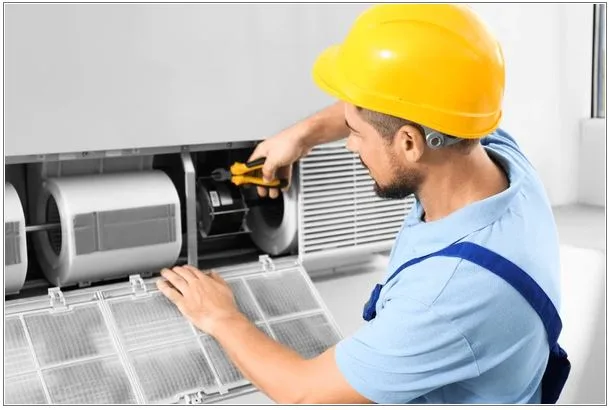
When your furnace stops working in January or your air conditioner struggles through an August heatwave, you call an HVAC company. But what exactly happens when that technician arrives? Most homeowners have a vague sense that HVAC services involve “fixing heating and cooling,” but the full scope extends far beyond emergency repairs.
Knowing what HVAC services actually include helps you make smarter decisions about your home comfort systems. According to the U.S. Department of Energy, well-maintained HVAC systems reduce energy usage by 5% to 15%, which translates into real savings on monthly utility bills.
Here is a simple breakdown of every service category.
1. Installation Services
Installation covers everything involved in putting new heating and cooling equipment into your home. This includes first-time installations, replacements of aging systems, and upgrades to more efficient equipment.
What Installation Includes
Professional installation involves several critical steps:
- Equipment selection based on your home’s size, insulation, and climate needs
- Safe removal of old equipment with proper refrigerant recovery
- Professional setup according to manufacturer specifications
- Electrical connections with proper voltage verification
- Ductwork modifications as needed for optimal airflow
- System testing across heating and cooling modes
- Thermostat programming with homeowner training
Most jurisdictions require permits for HVAC installations. Professional companies handle permit applications and schedule required inspections to ensure code compliance.
2. Repair Services
Repair services address problems after they occur. Your system stops heating, makes strange noises, or fails to cool adequately. Technicians diagnose the issue and restore normal operation.
Common Repair Situations
- No heat or cooling from thermostat, electrical, or compressor problems
- Weak airflow from clogged filters, duct issues, or blower problems
- Strange noises from loose parts, motor issues, or debris
- Short cycling from oversized units, refrigerant leaks, or electrical faults
- High energy bills from efficiency loss, duct leaks, or aging equipment
Good HVAC companies explain what they found and provide written estimates before proceeding. You should never feel pressured into immediate decisions on major repairs.
Pro Tip:
Emergency HVAC repairs cost 50-100% more than standard service calls. Regular maintenance helps you avoid most emergencies.
3. Maintenance Services
Maintenance is the category most homeowners underutilize, yet it delivers the highest return on investment. Regular tune-ups prevent breakdowns, improve efficiency, and extend equipment life.
What Maintenance Visits Include
Heating System Care
- Heat exchanger inspection for carbon monoxide safety
- Burner cleaning for efficient combustion
- Ignition system testing
- Gas connection leak checks
- Safety control verification
Cooling System Care
- Condenser coil cleaning for heat transfer efficiency
- Refrigerant level checks and leak detection
- Capacitor and contactor testing
- Moving parts lubrication
- Condensate drain clearing
Year-Round Tasks
- Filter replacement or cleaning
- Thermostat calibration
- Electrical connection inspection
- Overall performance evaluation
4. Air Quality Services
Air quality services address what you breathe inside your home. Your HVAC system circulates air continuously, making it ideal for purification and humidity control.
Common Air Quality Solutions
- Air purification systems that remove allergens, bacteria, and odors
- Whole-home humidifiers prevent dry winter air discomfort
- Dehumidifiers control summer moisture and mold risk
- Carbon monoxide detectors protect against combustion dangers
- Ventilation systems bring fresh air while maintaining efficiency
Pro Tip:
Ask about air quality during your next maintenance visit. Technicians can assess your current filtration and recommend improvements based on your family’s needs.
FAQs
How often should HVAC systems receive maintenance?
Most manufacturers recommend twice yearly. Schedule heating tune-ups in fall and cooling tune-ups in spring before peak demand seasons.
When should I repair versus replace?
Consider replacement when repair costs exceed 50% of new equipment value, when systems are over 15 years old, or when repairs become frequent despite regular maintenance.
Final Thoughts
Understanding HVAC services helps you make smarter choices for home comfort. Installation builds reliable performance, repairs fix unexpected issues, maintenance improves efficiency and extends system life, and air quality services help you breathe cleaner air every day.
When these services work together, your HVAC system delivers steady comfort without sudden breakdowns or uneven performance. That’s why choosing the right provider makes all the difference.
For homeowners in Cedar Rapids and surrounding Eastern Iowa, Spartan Heating, Cooling, and Fireplaces delivers comfort you can count on year-round. The company is veteran-owned and has over 12 years of experience. They handle furnace repair, AC maintenance, fireplace services, and indoor air quality solutions. Their team also provides 24/7 emergency support and Daikin Certified installations backed by 12-year warranties. They ensure help is always available when you need it most.