Why A Safety Certified I/O Module Is Critical For Reliable And Secure Industrial Automation
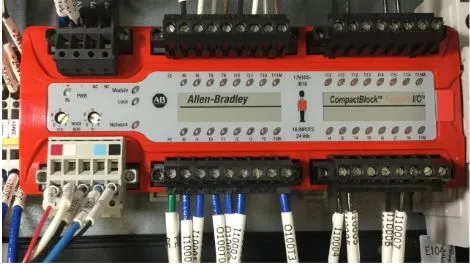
In industrial environments where machines move with power and precision, safety is not just a feature; it is a foundation. Every signal, every command, and every response must be accurate and secure to prevent failures and protect both people and equipment. This is where a safety certified I/O module becomes essential, ensuring that automation systems operate with built-in protection and reliability.
As automation becomes more advanced, the need for systems that can manage both performance and safety simultaneously has grown significantly. A safety-certified approach ensures that operations remain controlled even in unpredictable situations.
Understanding The Role Of Safety In Automation Systems
Industrial automation involves complex interactions between machines, sensors, and control systems. While these systems improve efficiency, they also introduce potential risks if not properly managed.
Safety-certified I/O modules are designed to monitor and control these interactions, ensuring that any irregularities are detected and addressed immediately. They provide an additional layer of protection that standard modules may not offer.
This focus on safety helps prevent accidents and ensures smooth operation.
How Safety Certified I/O Modules Enhance System Reliability
Reliability in industrial systems depends on consistent and accurate communication. Any failure in signal transmission can lead to incorrect actions or system malfunctions.
Safety-certified I/O modules are built with advanced features that ensure reliable data transmission. They are designed to operate under strict safety standards, reducing the risk of errors.
This reliability is crucial in environments where precision is essential.
Ensuring Compliance With Industry Standards
Industrial safety is governed by strict regulations and standards. Compliance with these standards is necessary to ensure that systems operate safely and legally.
Safety-certified I/O modules are designed to meet these requirements, providing assurance that the system adheres to industry guidelines.
This compliance not only enhances safety but also protects businesses from potential legal and financial consequences.
Reducing Risks In High-Pressure Environments
Industrial environments often involve high-pressure systems, heavy machinery, and complex operations. In such settings, even a small error can have significant consequences.
Safety-certified I/O modules help reduce these risks by ensuring that systems respond correctly to inputs and maintain safe operating conditions.
Their ability to detect and manage faults contributes to overall system stability.
Improving Fault Detection And Response
One of the key advantages of safety-certified modules is their ability to detect faults quickly and respond appropriately. They continuously monitor system performance and identify any irregularities.
When an issue is detected, the system can take corrective action, such as shutting down equipment or triggering alarms.
This rapid response helps prevent accidents and minimises damage.
Supporting Integration With Advanced Automation Systems
Safety-certified I/O modules are designed to integrate seamlessly with modern automation systems, including PLCs and control networks.
This integration allows for comprehensive monitoring and control, ensuring that safety measures are incorporated into every aspect of the system.
A well-integrated system enhances both efficiency and safety.
Enhancing Operational Efficiency Without Compromising Safety
While safety is a priority, efficiency remains a key goal in industrial operations. Safety-certified I/O modules are designed to balance both aspects, ensuring that systems operate efficiently without compromising safety.
They enable smooth communication and quick responses, maintaining productivity while safeguarding operations.
This balance is essential for modern industries.
Reducing Downtime And Maintenance Costs
System failures and accidents can lead to costly downtime and repairs. By preventing errors and ensuring reliable performance, safety-certified I/O modules help reduce these risks.
Their ability to detect issues early allows for proactive maintenance, minimising disruptions and reducing costs.
Reliable systems support continuous operation.
Creating A Safer Working Environment
The ultimate goal of safety-certified systems is to protect people. By ensuring that machines operate within safe parameters, these modules contribute to a safer workplace.
They reduce the likelihood of accidents and provide peace of mind for workers and operators.
Safety is not just about compliance; it is about protecting lives.
Conclusion: A Smart Investment In Safety And Performance
A safety certified I/O module is a critical component in modern industrial automation, providing the reliability and protection needed to manage complex systems. By ensuring accurate communication, compliance with standards, and rapid fault detection, it enhances both safety and efficiency.
Investing in safety-certified solutions is not just a technical decision; it is a commitment to creating secure and reliable operations. In the end, true efficiency is achieved when performance and safety work together seamlessly.