Minimalist Home Design Ideas for a Clean and Timeless Look
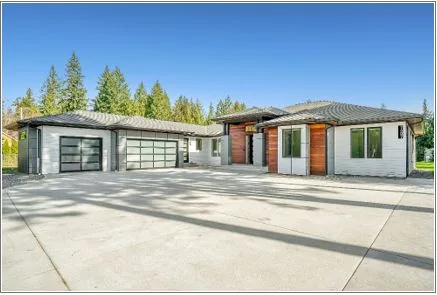
There is something deeply satisfying about walking into a home that feels open, uncluttered, and intentional. Minimalist home design has steadily grown in popularity because it strips away the unnecessary and focuses on what truly matters. It is not about living with less for the sake of deprivation. It is about curating a space where every element serves a purpose and contributes to a sense of calm.
A clean and timeless look does not follow fleeting trends. Instead, it leans into simplicity, function, and quality, creating interiors that feel just as relevant ten years from now as they do today. Whether you are building from scratch or rethinking your current space, minimalist design offers a framework that brings clarity to every room in the house.
Letting Light and Air Shape the Space
One of the most overlooked aspects of a well-designed minimalist home is how natural light and airflow move through each room. Large, unobstructed openings allow sunlight to flood the interior, reducing the need for artificial lighting and making spaces feel significantly larger than they are. When you prioritize clean lines and simple frames for your windows and doors, the transition between indoors and outdoors becomes almost seamless.
This kind of openness is a hallmark of minimalist living. If you are planning a renovation or a new build and want to make the most of this approach, get in touch with a professional at ACM Window and Door Design to explore options that complement a streamlined aesthetic. Floor-to-ceiling glass, sliding panels, and slim-profile frames all work beautifully in minimalist settings because they do not compete with the rest of the design. They simply let the outside in and allow the architecture to speak for itself.
The Power of a Neutral Palette
Color has the ability to completely transform a room, and in minimalist design, restraint is the guiding principle. Neutral palettes built around whites, warm grays, soft beiges, and muted tones create a backdrop that feels serene without being sterile. The key is layering different shades and textures within the same tonal family so the space does not fall flat. A white linen sofa against an off-white wall might sound monotonous on paper, but when you add a cream wool throw and a light oak coffee table, the room suddenly has depth and warmth.
Accent colors can still play a role, but they should be used sparingly. A single piece of artwork, a ceramic vase, or a set of cushions in a muted earth tone can anchor a room without overwhelming it.
Furniture That Earns Its Place
In a minimalist home, every piece of furniture needs to justify its presence. This does not mean your rooms should feel empty or uncomfortable. It means choosing pieces that are both functional and beautiful, and then resisting the urge to keep adding more. A well-made dining table with clean lines, a comfortable sofa with a simple silhouette, and a bed frame that feels solid but understated are the kinds of investments that anchor a minimalist interior.
Multipurpose furniture is especially valuable in this context. A bench with hidden storage, a coffee table that doubles as a workspace, or a daybed that serves as seating during the day all help maintain the clean look while addressing practical needs.
Thoughtful Storage Solutions
Clutter is the single biggest enemy of a minimalist home. No matter how carefully you choose your furniture and finishes, a space will never feel clean if everyday items are scattered across every surface. Thoughtful storage is the backbone of any successful minimalist interior, and the best solutions are the ones you do not even notice. Built-in cabinetry, recessed shelving, and closets with smart organizational systems all keep belongings out of sight without sacrificing accessibility.
In the kitchen, handleless cabinets and integrated appliances create a smooth, uninterrupted look. In the bedroom, a platform bed with drawers underneath eliminates the need for a separate dresser. Even in the bathroom, a floating vanity with concealed storage keeps countertops clear and the room feeling spacious.
Embracing Natural Materials and Textures
Minimalism can sometimes be misunderstood as cold or impersonal, but the thoughtful use of natural materials prevents that entirely. Wood, stone, concrete, and natural fibers bring warmth and tactile interest to a space without adding visual noise.
A raw oak shelf, a stone countertop, or a jute rug introduces organic texture that makes a room feel lived in and inviting.
Editing as an Ongoing Practice
One of the most important things to understand about minimalist home design is that it is not a one-time project. It is a mindset. Spaces evolve as life changes, and maintaining a clean and timeless look requires regular editing. This means periodically reassessing what you own, what you display, and how each room functions in your daily routine.
Seasonal shifts offer a natural opportunity for this kind of review. Swap out heavier textiles for lighter ones as the weather warms. Rotate artwork or decorative objects so nothing becomes invisible through familiarity. Donate or sell items that no longer serve a purpose.
Lighting as a Design Element
The right lighting can elevate a minimalist interior from pleasant to extraordinary. Rather than relying on a single overhead fixture, consider layering different types of light throughout each room. Recessed ceiling lights provide general illumination without visual clutter. A single pendant or sculptural floor lamp can serve as a statement piece that doubles as functional lighting. Task lighting at desks or reading areas adds warmth and usability.
Natural light should always be the starting point, with artificial lighting designed to complement and extend it into the evening hours. Warm-toned bulbs tend to work best in minimalist spaces because they soften the clean lines and neutral colors, making rooms feel cozy rather than clinical.
Living With Intention
Minimalist home design is ultimately about aligning your physical space with your values. It asks you to be deliberate about what you bring into your home and honest about what you actually need. The reward is a living environment that supports your well-being instead of adding to your stress. Every clear surface, every carefully chosen object, and every open stretch of floor space contributes to a sense of order that extends beyond aesthetics.