Handheld Fans: The Smart Choice for Office Cooling
When summer arrives, office environments can quickly become uncomfortable battlegrounds between employees and the heat. Centralized air conditioning systems often struggle to maintain consistent temperatures across open-plan offices, leaving some workers sweltering at their desks while others reach for cardigans. This thermal discomfort isn’t just a minor inconvenience — studies consistently link elevated workplace temperatures to reduced concentration, lower output, and increased fatigue.
Handheld fans have emerged as a surprisingly effective answer to this widespread problem. Rather than relying on building-wide systems that serve everyone imperfectly, these compact devices deliver cooling exactly where and when you need it. It’s no wonder they’ve become a staple accessory for commuters, desk workers, and anyone navigating the summer heat on a daily basis.
This article explores why handheld fans have earned their place as a go-to office cooling solution. We’ll walk through the key benefits that make them worth considering, the essential features that separate a quality fan from a frustrating one, practical guidance for choosing the right model for your workspace, and smart strategies for getting the most out of your personal cooling device all season long.
The Growing Need for Personal Cooling in Modern Offices
Open-plan offices present a paradox: designed to foster collaboration, they often create environments where no single temperature setting satisfies everyone. Centralized HVAC systems distribute air based on building averages rather than individual needs, meaning the person near a vent shivers while their colleague across the room fans themselves with a notebook. This inconsistency isn’t just uncomfortable — research from the Helsinki University of Technology found that worker performance peaks around 71°F (22°C), with productivity dropping measurably as temperatures climb beyond that threshold. For office workers stuck in a heat pocket with no control over the thermostat, the consequences are real and daily.
Why Traditional Cooling Methods Fall Short
Central air conditioning was built for efficiency at scale, not personal comfort. Uneven air distribution leaves certain desk zones consistently warmer, while the energy cost of cooling an entire floor to accommodate one overheated corner makes facilities managers understandably reluctant to adjust settings. Desktop fans help but consume desk real estate and push air indiscriminately. The result is a persistent gap between what building systems can deliver and what individual workers actually need — a gap that compact, personal devices are uniquely positioned to fill.
The Rise of Personal Cooling Devices
Workplace wellness has shifted from a corporate buzzword to a genuine operational priority, and personal comfort tools have followed that trend. Employees increasingly take ownership of their immediate environment, bringing ergonomic accessories, blue-light glasses, and now personal fans to their desks. Handheld fans fit naturally into this movement — they’re affordable, require no installation, and put climate control directly in the user’s hands. As hybrid work schedules diversify the types of spaces people occupy throughout the day, having a portable cooling solution that travels with you has become a genuinely smart choice.
Essential Features of High-Quality Handheld Cooling Fans
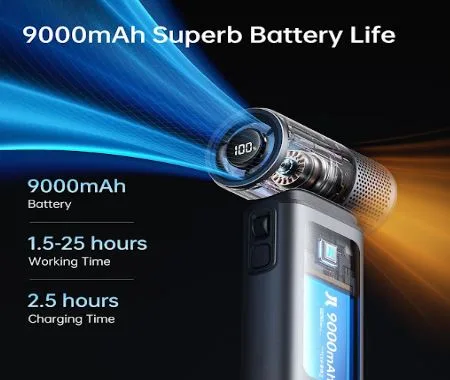
Not all handheld fans are created equal, and the difference between a device you’ll reach for every day and one that ends up in a drawer often comes down to a handful of critical features. Battery life sits at the top of that list — a fan that dies mid-afternoon defeats its own purpose. Look for models offering at least four to six hours of continuous operation on a mid-range speed setting, giving you reliable coverage through a full workday. Multiple speed settings are equally important, letting you dial down airflow during video calls or ramp it up during peak afternoon heat. Build quality matters too: a fan that rattles or wobbles after a week of use isn’t a bargain at any price point. Durable blade housings, sturdy grip designs, and quality motor components separate fans built to last a season from those built to last a month. Brands like JisuLife have built their reputation in the portable fan space precisely by focusing on these fundamentals — long battery life, quiet motors, and construction that holds up under daily use.
Benefits of Rechargeable Handheld Fans
Rechargeable handheld fans have largely rendered disposable battery models obsolete for office use, and for good reason. USB charging means you can top up from your laptop, a desk charging hub, or any standard wall adapter — no hunting for AA batteries mid-week. Over a single summer, the cost savings compared to replacing disposable batteries regularly are substantial. There’s also an environmental argument worth making: fewer single-use batteries in landfills is a meaningful reduction in waste. Most rechargeable models now use lithium-ion cells that maintain consistent power output throughout the charge cycle, so your fan doesn’t gradually weaken as the battery drains.
Why Compact Fans are Ideal for Office Spaces
Desk real estate is genuinely precious in most office environments, and a bulky fan competes directly with your monitor, notebook, and coffee. Compact handheld fans sidestep this problem entirely — when you’re not actively using one, it slips into a drawer, a bag pocket, or stands upright in a corner without claiming meaningful workspace. Their small footprint also makes them genuinely portable, transitioning effortlessly from desk to meeting room to commute. For workers in hot-desking arrangements or shared spaces, a fan that travels with you rather than staying anchored to one spot delivers consistent personal cooling regardless of where the day takes you.
How to Choose the Best Compact Fan for Your Office
Selecting the right handheld fan for an office setting requires more than picking the most affordable option on the shelf. Start by assessing your specific workspace conditions — how hot does your desk area typically get, how long are your working hours, and do you move between locations throughout the day? These answers directly shape which features matter most. Power output determines how effectively a fan cools you, but higher airflow often comes with increased noise, so finding the right balance for a shared environment is essential. Adjustable angle options add meaningful versatility, letting you direct airflow precisely rather than accepting whatever fixed direction the fan defaults to. A model that tilts or rotates gives you the flexibility to cool your face during focused work, then redirect airflow toward your wrists or neck when temperatures spike in the afternoon. Checking user reviews specifically for real-world battery performance — not just manufacturer claims — will also save you from disappointment when a fan rated for eight hours delivers four under normal use conditions.
Evaluating Portability and Storage
Weight and dimensions matter more than most buyers anticipate before their first purchase. A fan that feels light in a store display can become genuinely cumbersome after holding it through a long commute or extended meeting. Aim for models under 200 grams for comfortable one-handed use over longer periods. Foldable handle designs collapse the fan’s profile significantly, making it easy to slide into a bag pocket or desk drawer without occupying meaningful space. For hot-desking environments where your workspace changes daily, a fan that fits inside a standard laptop bag without adding noticeable bulk is the practical benchmark worth targeting.
Noise Considerations for Shared Environments
In open-plan offices, a noisy fan quickly shifts from personal comfort tool to shared annoyance. Look for models specifically rated below 45 decibels — roughly equivalent to quiet library conditions — to ensure your cooling solution doesn’t disrupt nearby colleagues or bleed into video calls. Brushless motor designs tend to run significantly quieter than conventional motors and also last longer under regular use. Testing noise levels at mid-range speed settings is particularly useful, since that’s the setting most people rely on for extended daily use rather than the maximum setting manufacturers typically highlight in product descriptions.
Implementing Effective Office Cooling Solutions with Handheld Fans
Owning a quality handheld fan is only half the equation — how you integrate it into your daily routine determines how much relief it actually delivers. The most effective approach treats your fan as an active tool rather than a passive accessory. During focused morning work sessions, position the fan at a slight upward angle toward your face and neck, where cooling has the most immediate impact on comfort and concentration. As afternoon heat builds, shift to intermittent use during natural work breaks rather than running the fan continuously, which both conserves battery and prevents the mild dehydration that constant airflow can accelerate. Keeping a water bottle nearby amplifies the cooling effect noticeably — slightly damp skin cools far more efficiently under moving air than dry skin alone.
Creating a Personal Cooling Station
A small but intentional desk setup makes a meaningful difference in how consistently you benefit from your fan. Position your fan within easy reach so reaching for it requires no disruption to your workflow. Pairing it with a cold water bottle creates a simple evaporative cooling effect when you hold the fan near the condensation-covered surface. If your fan supports a standing position, angle it to run hands-free during typing-heavy tasks, freeing you from holding it while still capturing the airflow benefit.
Synergizing with Other Cooling Methods
Handheld fans work best as a complement to existing office cooling rather than a standalone replacement. When central air conditioning runs but falls short at your specific desk location, your fan bridges that gap precisely and immediately. On days when building ventilation circulates stale warm air, directing your fan toward an open window or a nearby floor vent helps channel cooler air in your direction. Combining your fan with lightweight, breathable clothing choices further compounds the cooling effect, giving you layered relief that no single method achieves alone.
Maximizing Summer Heat Relief with Handheld Fans
Getting the most from your handheld fan requires a few deliberate habits that go beyond simply switching it on. Positioning matters more than most people realize — holding the fan roughly 12 to 18 inches from your face delivers optimal airflow without the drying effect of close-range continuous blasting. During peak afternoon heat, focus airflow on pulse points at your wrists and neck, where blood vessels sit close to the skin’s surface and cooling is most efficiently transferred throughout the body. Regular cleaning of fan blades every two to three weeks keeps airflow strong and prevents dust buildup from reducing motor efficiency over time. From a health standpoint, consistent use genuinely helps — maintaining a comfortable body temperature reduces the cognitive load your brain expends managing heat stress, leaving more mental bandwidth for actual work.
On-the-Go Cooling for Commutes and Breaks
A quality handheld fan earns its value well beyond your desk. During summer commutes on crowded trains or buses, it delivers immediate relief where air conditioning is unreliable or absent entirely. Outdoor lunch breaks become noticeably more comfortable with a compact fan running at low speed, extending your recovery time rather than spending the break just enduring the heat. The portability that makes these devices practical for office use translates directly into all-day versatility — one device covering your commute, workspace, and every environment in between.
Sustaining Comfort and Performance
Heat fatigue accumulates gradually throughout a workday, quietly eroding focus and decision-making quality before you notice the impact. Regular use of a handheld fan interrupts that accumulation, keeping your core comfort level stable across the full working day rather than letting discomfort build unchecked until productivity collapses in the afternoon. Workers who maintain consistent thermal comfort report fewer midday energy slumps and greater ability to sustain concentration through demanding tasks. In that sense, a handheld fan isn’t just a comfort accessory — it’s a straightforward, low-cost investment in your daily performance and well-being throughout the summer months.
The Smart Investment for Summer Office Comfort
Handheld fans have proven themselves as far more than a novelty item — they’re a practical, intelligent response to a real and daily problem that office workers face every summer. Throughout this article, we’ve seen how centralized cooling systems consistently fall short of individual needs, how the right features make the difference between a device you rely on and one you abandon, and how thoughtful usage habits amplify the cooling benefits well beyond simply switching a fan on.
The case for rechargeable, compact handheld fans rests on three clear strengths: they put climate control directly in your hands, they require no desk space commitment or installation, and they deliver genuine, measurable relief from heat that quietly drains focus and energy throughout the workday. Whether you’re navigating a sweltering commute, working through a hot afternoon at your desk, or moving between shared spaces throughout the day, a quality handheld fan travels with you and performs consistently.
If you’ve been tolerating summer discomfort as an unavoidable part of office life, it’s worth reconsidering that assumption. A well-chosen handheld fan is a low-cost, high-impact investment in your daily comfort and productivity. Make the smart choice this season — your focus and well-being will reflect it.