Brake Fade in Heavy-Duty Trucks: A Growing Safety Risk for Commercial Fleets
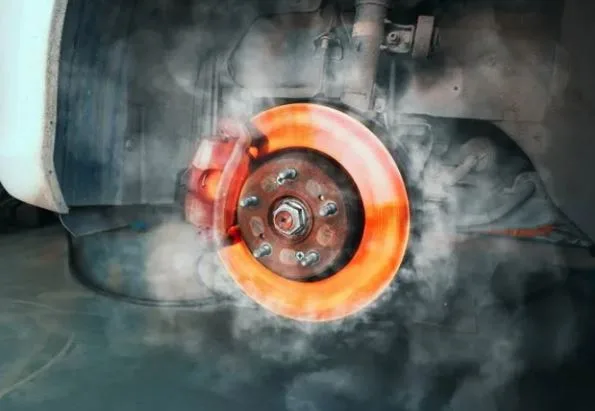
Brake fade has become an increasingly important safety concern for heavy-duty trucks operating under demanding conditions such as long-haul transportation and heavy payloads. Industry data in the United States suggests that braking system issues are involved in a significant portion of large truck accidents, underscoring the need for reliable braking performance in real-world operations.
During braking, a vehicle’s kinetic energy is converted into heat. As vehicle speed increases, the amount of heat generated rises dramatically — in fact, doubling the speed can produce up to four times more heat. For commercial trucks carrying substantial loads, this rapid heat buildup can place extreme stress on braking components within a short period of time, especially during prolonged braking situations.
Unlike total brake failure, brake fade is usually a temporary condition. Once key components such as brake pads, rotors, and brake fluid return to normal temperatures, braking performance can recover. However, if early warning signs are ignored, brake fade can quickly develop into a serious safety hazard, particularly when driving on long downhill roads or in dense traffic conditions.
Understanding the Mechanism Behind Brake Fade
Brake fade occurs when heat accumulates faster than it can be dissipated by the braking system. At elevated temperatures, the bonding resins within brake pad materials begin to degrade, releasing gases that form a thin layer between the pad and the rotor surface. This process, commonly known as outgassing, reduces the effective friction between components and results in decreased braking efficiency.
In heavy-duty applications, where continuous braking is often required — such as mountain descents or high-load transportation — the risk of brake fade becomes significantly higher. Choosing appropriate friction materials and optimizing brake system design are essential strategies for reducing this risk. More insights can be found in modern brake pad technology.
At extremely high temperatures, braking components can undergo structural changes. For example, cast iron rotors exposed to excessive heat may develop uneven hardened surfaces, leading to vibration, reduced contact efficiency, and accelerated wear. These conditions not only affect braking performance but also increase long-term maintenance requirements.
Real-World Scenarios Highlighting Brake Fade Risks
Brake fade is not just a theoretical issue — it frequently occurs in real-world driving conditions. Mountain highways, steep downhill grades, and long-haul routes are among the most common environments where brake fade incidents are reported.
Fully loaded trucks descending extended slopes without proper braking techniques are especially vulnerable. In such situations, drivers who rely solely on service brakes rather than engine braking can quickly push the braking system beyond its thermal limits.
Urban delivery vehicles also face similar risks. Frequent stop-and-go traffic, combined with heavy payloads, creates repeated braking cycles that prevent adequate cooling. Over time, this leads to gradual heat accumulation and increased likelihood of brake fade.
These scenarios highlight the importance of both driver awareness and system-level reliability in preventing brake-related incidents.
Warning Signs Drivers Should Never Ignore
Fleet operators and drivers are trained to identify early indicators of brake fade, including:
- Increased brake pedal travel
- A soft or “spongy” pedal feel
- Burning smells or visible smoke near wheels
- Squealing or grinding noises
- Vehicle pulling to one side during braking
These symptoms indicate that braking performance is being compromised. Recognizing these warning signs early allows drivers to take corrective action, such as reducing speed, shifting gears, or stopping to allow the braking system to cool.
Advanced onboard diagnostics and monitoring systems are increasingly being used in modern fleets to detect abnormal temperature and performance changes before they become critical.
Key Causes Behind Brake Fade
Several operational and mechanical factors contribute to brake fade:
- Overloaded vehicles generating excessive thermal energy
- Worn brake components reducing effective friction
- Continuous braking on long descents
- High ambient temperatures limiting cooling efficiency
Recent inspection campaigns, including the Commercial Vehicle Safety Alliance (CVSA) Brake Safety Week, continue to highlight brake system violations as one of the leading causes of out-of-service orders across North America.
In particular, improper maintenance and low-quality components can accelerate wear and heat buildup. Choosing reliable components that meet industry standards, such as high-quality brake pads for trucks and trailers, is essential for maintaining consistent braking performance.
Additionally, uneven load distribution across axles can place excessive strain on specific braking components, increasing localized heat buildup and reducing system efficiency.
Types of Brake Fade in Commercial Vehicles
Brake fade can occur in several forms, each with different underlying causes:
Pad fade (friction fade)
Occurs when brake pads exceed their optimal temperature range, reducing friction efficiency. Drivers must apply more pressure to achieve the same braking effect.
Fluid fade
Results from brake fluid absorbing moisture over time. When heated, the fluid can vaporize, creating air pockets that reduce hydraulic pressure and braking responsiveness.
Green fade
Affects new brake pads during initial use. Gases released from fresh friction materials create a temporary barrier between the pad and rotor, reducing contact efficiency.
Understanding these types helps drivers and maintenance teams respond appropriately and prevent long-term damage.
Prevention Strategies to Improve Fleet Safety
Reducing the risk of brake fade requires a combination of effective driving practices and consistent maintenance routines. Both factors play a critical role in maintaining braking efficiency under demanding operating conditions.
Key preventive measures include:
- Utilizing engine braking (Jake Brake) to minimize dependence on service brakes
- Applying intermittent (pulse) braking rather than continuous pressure
- Ensuring proper load distribution across all axles
- Performing regular brake inspections and system diagnostics
- Replacing worn or degraded components before performance is affected
In addition, modern braking system designs can significantly improve heat management. Features such as ventilated rotors, high-temperature-resistant friction materials, and auxiliary braking systems (retarders) help enhance heat dissipation and maintain system stability during prolonged braking.
Driver training is equally important. Operators who are properly trained in downhill driving techniques and load control are far less likely to encounter brake-related issues in real-world conditions.
Economic Impact on Fleet Operations
In addition to safety concerns, brake fade can create notable financial challenges for fleet operators. Excessive heat and friction accelerate wear on braking components, resulting in increased maintenance costs, unexpected downtime, and reduced vehicle utilization.
Brake-related failures may also lead to delivery delays, regulatory penalties, and potential liability risks. For large-scale fleets, even minor inefficiencies in braking performance can accumulate over time, significantly affecting overall operating costs.
By investing in high-quality braking components and implementing preventive maintenance programs, fleet operators can improve both safety performance and cost efficiency.
Conclusion
Brake fade continues to be a major safety concern for heavy-duty vehicle operations, particularly on steep gradients and during extended downhill driving. Although the condition is often temporary, its impact on braking performance can be severe if not properly managed.
A proactive approach — including understanding root causes, identifying early warning signs, and applying effective prevention strategies — can greatly reduce associated risks. Consistent maintenance, proper driving habits, and the use of advanced braking components are essential for ensuring safe, reliable, and efficient fleet operations.