What Is Sim Racing? A Beginner’s Guide to Getting Started
Key Highlights
- Sim racing bridges the gap between arcade racing games and professional motorsports, offering a highly realistic and immersive experience.
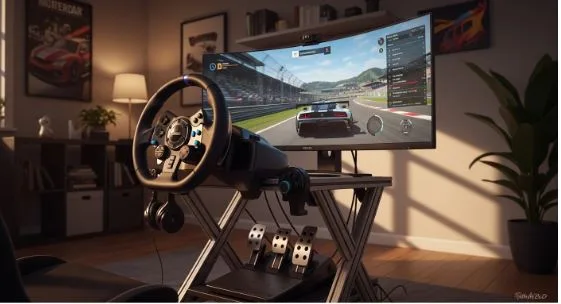
- A basic sim racing setup includes a racing wheel, pedals, and a screen, which can be expanded with a dedicated cockpit and accessories.
- Popular software like Gran Turismo and Assetto Corsa provide accessible entry points for beginners.
- Building a sim racing setup at home requires careful planning of space and proper assembly of your gear.
- The community offers valuable resources and support, helping you grow from a novice to a skilled sim racer.
- Achieving a realistic experience similar to real-life racing depends on quality components like force feedback wheels and a sturdy sim rig.
Introduction
Have you ever dreamed of feeling the thrill of a race track from your own home? Welcome to the exciting world of sim racing. More than just a video game, a racing simulator offers an incredibly immersive racing experience that mimics the challenges and excitement of real-world motorsports. Whether you’re a casual gaming enthusiast or a passionate motorsport fan, this guide will walk you through everything you need to know to get started on your sim racing journey and hit the virtual track with confidence.
Understanding Sim Racing: The Evolution of Racing from Arcade to Simulation
Sim racing is a sophisticated form of virtual motorsport that aims to accurately replicate the experience of driving a real race car. Unlike traditional arcade racing games that prioritize fun over physics, sim racing focuses on realism. This includes precise vehicle dynamics, authentic track conditions, and detailed car setups. You’ll feel every bump on the track and every shift in the car’s weight, providing a challenge that closely mirrors what professional drivers face.
The evolution from simple video games to advanced simulations has been remarkable. Early racing games offered a basic sense of speed, but modern sim racing software, paired with the right hardware, creates an experience that is used by professional racers for training. The goal is to simulate the real world as closely as possible, making every lap a test of skill, focus, and precision. This shift has turned a hobby into a serious competitive pursuit for many.
Core Components and Setups: Building Your First Sim Racing Rig
Starting your sim racing journey begins with assembling the right gear. A basic sim racing setup consists of a few essential components that work together to create an immersive driving experience. At a minimum, you will need a racing wheel and a pedal set. These are the primary tools that connect you to the virtual car. As you get more serious, you can upgrade to a dedicated sim rig, which includes racing cockpits and more advanced sim racing gear for ultimate stability and comfort.
Choosing your first sim racing setup can feel overwhelming, but affordable options are readily available for beginners. You can start with a desk-mounted wheel and pedals and later upgrade to a full cockpit. Here is a breakdown of the essential gear:
| Component | Description |
| Wheel Base | The motor that provides force feedback, simulating road feel and tire grip. |
| Racing Wheel | The steering wheel you hold is often detachable and swappable. |
| Pedal Set | Includes accelerator, brake, and sometimes clutch pedals for car control. |
| Sim Rig/Cockpit | The frame that holds your seat, wheel, and pedals in a realistic driving position. |
Sim Racing Software: Exploring Platforms for Every Experience Level
Once you have your hardware, you’ll need the right sim racing software. Beginners can start with Gran Turismo or Forza Motorsport, which offer realistic yet accessible gameplay and a variety of cars and tracks. These games are ideal for learning racing basics before advancing to more complex simulators. For serious sim racers, Assetto Corsa and Assetto Corsa Competizione provide highly accurate physics and detailed car handling, along with deep customization and competitive online play. Whatever your skill level, there’s a racing game to suit your needs.
Step-by-Step Guide: Setting Up Your First Sim Racing Experience
Setting up your first sim racing rig is exciting. Start by planning your budget and available space. A basic setup may just need a wheel clamped to your desk, while a more advanced rig requires a dedicated room.
After choosing your gear, assemble and configure it carefully—a solid setup is key to a great experience. This guide will help you plan, assemble, and avoid common mistakes so you can hit the virtual track with ease.
Planning Your Sim Racing Space at Home
The first step in building your sim racing setup is choosing its location. Space requirements vary: a basic wheel stand or desk mount only needs a few square feet, making it ideal for small areas. A full sim racing cockpit, however, requires more room—about the size of a large armchair and desk. Measure your space to ensure a comfortable fit.
Key factors to consider:
- Accessibility: Make sure you can easily get in and out of the seat.
- Screen Placement: Set your monitor or TV at eye level and the right distance.
- Cable Management: Organize cables to keep your setup tidy and safe.
Assembly and Mounting Tips for Sim Racing Equipment
Once your space is planned, assemble your sim rig. Whether you use a basic wheel stand or a full cockpit, proper assembly is key for stability and performance. Follow the manufacturer’s instructions and take your time to avoid mistakes.
Secure all equipment tightly—loose wheels or pedals can ruin immersion and hurt performance. Use clamps or bolts to firmly attach the wheel base and pedals for a solid setup.
Essential assembly tips:
- Stability: Ensure your wheel stand or seat doesn’t move during races.
- Ergonomics: Adjust seat, wheel, and pedals for a comfortable, realistic driving position.
- Check Everything: Test all components to confirm they’re secure and working before racing.
Maximizing Realism: Enhancing Your Sim Racing Immersion
The ultimate goal for sim racers is total immersion—blurring the line between simulation and reality. High-quality hardware is essential. For example, a direct drive wheel base delivers precise force feedback, letting you feel road textures and traction loss—crucial for driving faster and more consistently.
Other factors matter too. High frame rates provide smooth visuals, preventing stutter that can disrupt focus. While not required at first, a stable racing seat keeps your equipment secure and your posture correct, enhancing realism. Together, these features turn a game into a true simulation.
Essential Accessories and Add-Ons for Better Performance
A wheel and pedals are enough to start, but a few key accessories can boost your sim racing experience. Sim racing gloves improve grip and reduce fatigue, while a load cell brake pedal offers more precise braking by measuring pressure instead of travel—better mimicking real brakes.
As you progress, consider add-ons like a quick-release system for swapping wheels or upgraded pedals for better control. While top-tier gear isn’t required to be competitive, smart upgrades can noticeably improve your lap times and immersion.
Developing Your Skills: Sim Racing for Growth and Fun
Sim racing is more than a game—it’s a platform for continuous improvement. Modern simulators provide detailed feedback and data to help you analyze performance, practice techniques, and safely refine your skills. Many professional racers use simulators to stay sharp and learn new tracks, highlighting their value as training tools.
Sim racing is a journey of constant learning. As you gain experience, you can perfect car setups, master challenging tracks, and join teams to collaborate with others. Whether you’re chasing personal bests or competing online, sim racing is incredibly rewarding.
Joining the Sim Racing Community in Australia
One of the best aspects of sim racing is its vibrant, welcoming community. Connecting with other motorsport fans and sim racers can enhance your experience. Online forums, social media groups, and Discord servers are great for sharing setups, asking questions, and discussing races. The Australian sim racing community is especially active, offering leagues and events for all skill levels.
Getting involved keeps you motivated and helps you learn from experienced drivers. You’ll find tips on hardware and driving techniques, and participating in online events lets you test your skills against real opponents. Don’t hesitate to join in—there are plenty of people ready to help you along the way.
Conclusion
In conclusion, sim racing lets you enjoy the excitement of motorsports at home. By learning its basics and choosing the right equipment, you can build a setup that boosts your experience. Exploring software options, organizing your space, and connecting with other enthusiasts all contribute to greater enjoyment and skill growth. Embrace sim racing to elevate your passion for driving. Ready to get started? Contact our experts for a free, personalized consultation.
Frequently Asked Questions
Do I Need Expensive Gear to Start Sim Racing as a Beginner?
No, you don’t need expensive gear to start. A beginner-friendly racing setup can consist of an entry-level racing wheel and sim racing pedals mounted to a desk or a simple wheel stand. You can always upgrade to a more advanced sim rig as your skills and budget grow.
How Much Space Do I Really Need for My Sim Racing Setup at Home?
The space you need depends on your setup. A basic desk-mounted configuration requires minimal space. A full sim racing cockpit with a racing seat will need a dedicated area, typically around the size of a large armchair. Always measure your space to ensure your sim rig fits your specific needs.
How Realistic Is the Driving Experience Compared to Real Motorsports?
Modern racing simulators are incredibly realistic. With a quality sim racing wheel that offers force feedback, especially a direct drive wheelbase, the experience can closely mimic the real world. The physics engines in today’s software accurately replicate car handling, tire wear, and track conditions for a truly immersive drive.