How Imaging Technology Is Changing Modern Treatment Planning
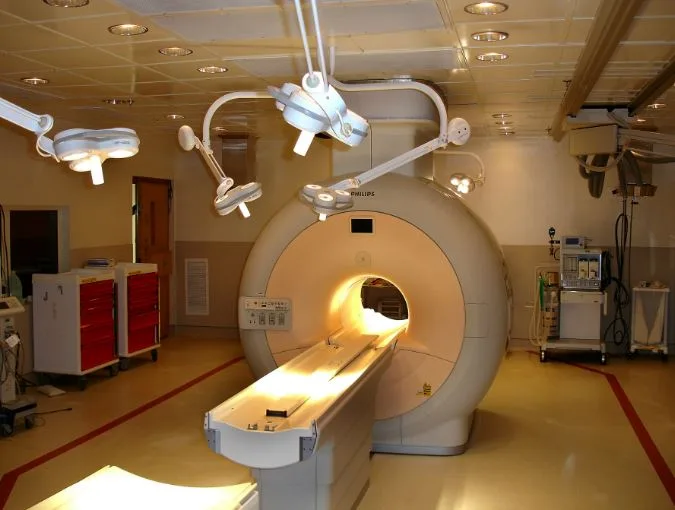
Modern healthcare is shifting toward precision, speed, and patient-specific strategies, and imaging technology sits at the center of that transformation.
Physicians are no longer relying solely on physical examinations and generalized protocols. Instead, they are turning to detailed visual data that reveals what lies beneath the surface with remarkable clarity.
A clear example of this can be seen in embolization procedures. Through detailed imaging, doctors guide decisions that were once made with limited visibility in embolization procedures. In such procedures, accuracy is essential for both safety and effectiveness, and advanced imaging makes things easier.
Imaging tools allow clinicians to map blood vessels, identify abnormalities, and determine the most appropriate approach before any intervention begins. As a result, patients benefit from more targeted care that reduces uncertainty and improves outcomes.
The Evolution of Imaging in Clinical Practice
Medical imaging has moved beyond traditional X-rays. Technologies such as MRI, CT scans, ultrasound, and PET imaging provide layered, high-resolution views of the body. These tools capture structural details and functional activity, giving clinicians a deeper understanding of how diseases develop and progress.
Therefore, their use is also increasing worldwide, with 2024 alone witnessing 5.9 billion diagnostic imaging procedures. The extremities, chest, and abdomen were the most commonly treated body parts through these procedures. They accounted for 27%, 21.5%, and 13.2% of the total procedures, respectively.
This advancement has changed the pace of diagnosis. Conditions that once required exploratory procedures can now be identified quickly and with greater confidence. Physicians can compare imaging results over time, track subtle changes, and adjust strategies without relying on guesswork.
The use of these procedures is expected to continue rising due to advancements in imaging technology and the global market. Grand View Horizon notes that the global medical imaging market size was valued at $43.48 billion in 2025. It is estimated to grow at a CAGR of 5.1% till 2033 to reach a whopping $64.664 billion.
Precision in Treatment Planning
One of the most significant impacts of imaging technology lies in its role in tailoring treatments to individual patients. Every case presents unique variables, including anatomy, disease stage, and overall health. Imaging helps account for these differences by providing a clear roadmap before any procedure.
Surgeons and specialists now use imaging data to simulate procedures, anticipate challenges, and choose the least invasive path forward. According to Image Guided Therapy, this precision helps deliver faster recoveries, superior outcomes, and less pain.
It also improves communication between medical teams, as everyone involved can reference the same visual data when discussing a patient’s plan. That’s why it doesn’t come as a surprise that so many physicians rely on imaging for diagnosis and treatment.
Annual global imaging activity includes 3.6 to 4.2 billion X-ray exams and between 800 million and 1 billion ultrasound scans. There are also about 375 to 450 million CT scans and nearly 150 to 200 million MRI scans. The United States ranks among the leading countries in diagnostic imaging use. It performs around 40 million MRI scans annually, along with approximately 74 million CT scans.
Real-Time Guidance During Procedures
Imaging is no longer limited to pre-treatment planning. Many procedures now rely on real-time imaging to guide instruments with precision. Techniques such as fluoroscopy and image-guided navigation allow clinicians to monitor their actions in real time, making adjustments instantly as needed.
This approach has proven especially useful in interventional radiology, where small instruments are guided through the body to treat conditions. Real-time visuals reduce risks and increase the likelihood of success, particularly in delicate areas where accuracy is critical.
Such surgical navigation has become an important part of precision medicine, improving accuracy, minimizing invasiveness, and supporting better patient outcomes. The field combines multiple disciplines, though professionals often approach it from limited viewpoints.
A Wiley Online Library study states that developments are made in both established imaging methods and newer techniques. Some of the newer techniques include photoacoustic and near-infrared imaging, each with distinct benefits and limitations.
Future advancements are expected to focus on smarter, more precise, and less invasive systems. These systems will integrate advanced imaging, machine learning, and real-time feedback, helping align clinical needs with technological innovation.
The Role of Artificial Intelligence
A Springer Nature Link study concludes that artificial intelligence (AI) has transformed imaging technologies from their early origins. AI improves early disease detection, diagnostic accuracy, and clinical workflows by enabling faster and more precise analysis of medical images.
The paper also notes that these advancements bring economic and regulatory considerations, including emerging policies. Some of these include the EU Artificial Intelligence Act and the U.S. Algorithmic Accountability Act. The research emphasizes that the value of AI in imaging lies in its ability to support clinicians, enhance decision-making, and increase efficiency.
AI-powered tools can also highlight areas of concern and assist in identifying patterns that might be missed by the human eye. These systems are not replacing clinicians but enhancing their ability to interpret complex data.
The integration of AI also helps streamline workflows. Radiologists can process more cases efficiently, and physicians receive insights faster, allowing them to act without unnecessary delays. This speed is particularly valuable in time-sensitive conditions where early intervention can make a significant difference.
Frequently Asked Questions
Are there differences in imaging accessibility between urban and rural areas?
Access to advanced imaging tools often varies based on location. Urban hospitals and large medical centers usually have better access to technologies like MRI and CT scanners. On the other hand, rural facilities may face limitations due to cost and infrastructure challenges.
What role does patient data play in imaging-based treatment planning?
Patient data is essential in making imaging more effective and personalized. Factors such as medical history, prior imaging results, and genetic information help clinicians interpret scans more accurately. Combining imaging with comprehensive patient data allows healthcare providers to create treatment plans that align closely with individual needs. This improves both outcomes and efficiency.
Can imaging technology help reduce healthcare costs over time?
While advanced imaging equipment can be expensive, it often contributes to long-term cost savings. Early and accurate diagnosis can prevent complications, reduce hospital stays, and limit the need for more invasive procedures. Over time, this leads to more efficient use of healthcare resources and improved financial outcomes for both providers and patients.
Imaging technology has reshaped the foundation of modern treatment planning. It provides clarity where uncertainty once existed and supports decisions that are more precise, efficient, and patient-focused. From early diagnosis to real-time procedural guidance, its influence continues to grow across every area of medicine.
As innovation continues, imaging will likely play an even larger role in shaping healthcare outcomes. The combination of advanced visualization, data analysis, and collaborative tools points toward a future where treatments are guided by insight. Patients stand to gain the most from this progress. They will receive care that is both more accurate and more responsive to their individual needs.