Indoor Air Quality: How Natural Materials Create a Healthier Home
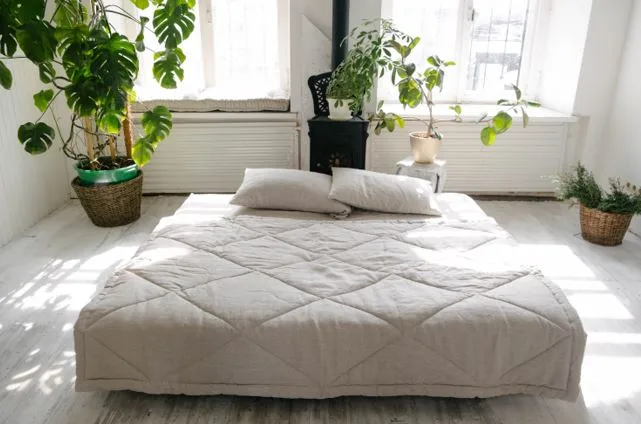
There is an emerging problem of indoor air quality, given that individuals are increasingly spending more time indoors. What the majority are not aware of is that even ordinary materials can produce harmful substances to the atmosphere. A cleaner and healthier environment can be attained by merely making decisions that are founded on natural alternatives.
How Natural Building Materials Improve Home Essentials Quality
Traditional synthetic materials tend to emit volatile organic compounds, which may seep into the interior and have adverse effects on health. Such emissions are particularly prominent in newly furnished or ill-ventilated places. This can bring pain, allergic reactions in the short and long run, and poor health. A safer way is, however, to use natural building materials. They can be renewed, and they are less likely to emit harmful substances or not at all. This renders them a good option to enhance the quality of indoor air as well as promote sustainable living.
Hemp and Natural Fibers as Low-VOC Home Materials
Hemp is one of the most natural fibers: the chemical processing of the structure requires minimal use of chemicals, which means that in the long term, fewer emissions will be made. The simplest way to reduce the amount of synthetic fibers in your bedroom is to choose hemp blankets.
The scenarios in which natural materials have the greatest difference in air quality:
- Recently fixed or recently painted rooms. The use of natural materials can be used to counter the effects of chemical residues that are left behind by construction or paint.
- Poorly-ventilated bedrooms. Porous fabrics enhance the movement of air and minimize the accumulation of indoor pollutants.
- Allergy or asthma homes. Materials that produce low emissions ensure a less volatile and more comfortable environment for sensitive people.
- Relaxation or mindfulness areas. Fresh air improves concentration and well-being.
Material Benefits of Insulation and Plant-Based Fibers
In addition to clothing, such materials as hemp can also be used as natural insulation, which allows controlling the temperature and humidity. This minimizes the chances of molds and promotes a healthy indoor environment. They form a combination with other plant-based materials to make them functional and healthy interiors.
Due to natural fibers, important material benefits are enjoyed:
- Not coated with synthetic materials. They shun chemical treatments that may end up emitting pollutants as time goes by.
- Moisture-wicking properties. Helps to regulate moisture levels and eliminates the moisture where mold can be formed.
- Biodegradable and sustainable. Optimizes an environmentally friendly lifestyle.
- Hypoallergenic qualities. The perfect choice for homes that want to reduce air pollutants.
Practical Steps to Improve Your Home With Natural Materials
There is no need to wholly renovate your home to improve the environment. Even minor planned modifications may contribute greatly to the comfort and to clean air within home environments.
Indoor air: clean swaps:
- Change to natural fiber bedding. Synthetic fabrics should be substituted with breathable materials to help enhance air flow.
- Low or no VOC paint. These lessen detrimental emissions and enhance the long-term air quality.
- Incorporate insulation. Helps control airflow and provides a more constant indoor climate.
- Add indoor plants. They help in creating a healthier and fresher living environment.
One of the most popular, and least considered, methods of improving the air you breathe at home daily is to switch building materials and home textiles to natural ones, and others that are plant-based.
Conclusion
The initial move towards improving your house starts with the materials that you bring into your home. With natural and low-emission choices, you will have a safer and more comfortable environment. Begin step by step, and you will have clean air inside home that will be healthy for you!
FAQ
- Why then are plant-based materials healthier in the home?
Plants use fewer chemicals to process and produce fewer volatile organic compounds, which makes indoor spaces healthier and more breathable.
- Can natural insulation aid indoor air quality?
Yes, the natural insulation is beneficial to control moisture and airflow, which directly contributes to improved indoor air quality and decreases allergens.
- How can clean air inside home be created naturally?
To do it, start by using plant-based materials, improving ventilation, and selecting products that have low emissions.