Common Roofing Problems That Lead to Replacement in Tacoma
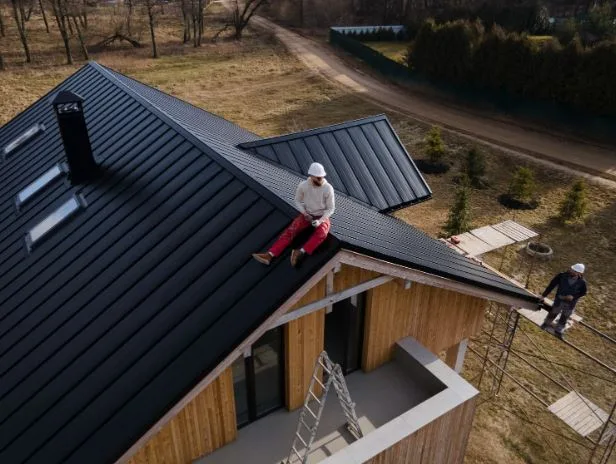
A roof is one of the most critical components of any home, yet it is often overlooked until visible problems appear. In a place like Tacoma, where weather conditions include frequent rain, moisture, and seasonal temperature shifts, roofing systems face constant stress. Over time, even well-built roofs can develop issues that, if left unaddressed, may lead to full replacement. Understanding these common problems helps homeowners make informed decisions and protect their property effectively.
Weather-Related Wear and Tear
Tacoma’s climate plays a major role in roof deterioration. Persistent rainfall can gradually weaken roofing materials, especially if water does not drain properly. Shingles may begin to curl, crack, or lose their protective granules due to prolonged exposure to moisture and temperature fluctuations.
Wind can also loosen or displace shingles, leaving the underlying structure vulnerable. While minor damage may be repaired, repeated exposure over time often leads to widespread wear, making repairs less effective. In such cases, homeowners may need to consider roof replacements in Tacoma to restore full protection.
Water Leaks and Moisture Intrusion
One of the most common and serious roofing problems is water leakage. Small leaks may start around flashing, vents, or damaged shingles, but they can quickly escalate if ignored. Moisture intrusion does not only affect the roof surface—it can seep into insulation, ceilings, and even the structural framework of the home.
Over time, trapped moisture can lead to rot, mold growth, and weakened support structures. When damage spreads beyond isolated areas, repairs become less practical. At that stage, a complete roofing overhaul is often the most reliable solution to prevent further structural issues.
Poor Installation or Low-Quality Materials
Not all roofing problems are caused by age or weather. In some cases, issues stem from poor installation practices or the use of substandard materials. Improperly installed shingles, inadequate sealing, or weak underlayment can significantly shorten a roof’s lifespan.
These problems may not be immediately visible, but they often reveal themselves through recurring leaks or uneven wear patterns. When foundational elements of the roof are compromised, repeated repairs may only provide temporary relief. This is another situation where roof replacements in Tacoma become necessary to ensure long-term stability.
Aging Roof Systems
Every roofing material has a finite lifespan. Asphalt shingles, for example, typically last 20 to 30 years under normal conditions. As roofs age, they naturally lose their ability to resist water, wind, and temperature changes.
Signs of an aging roof include faded or brittle shingles, frequent repairs, and visible sagging. While maintenance can extend a roof’s life, there comes a point when replacement is more cost-effective than continuous repairs. Homeowners who recognize these signs early can plan ahead and avoid sudden failures.
Ventilation Issues
Proper ventilation is essential for maintaining a healthy roofing system. Without it, heat and moisture can build up in the attic, leading to a range of problems. Excess heat can cause shingles to deteriorate faster, while trapped moisture can encourage mold growth and wood rot.
Poor ventilation often goes unnoticed, but its effects can be widespread. Over time, it can compromise both the roof and the interior of the home. When ventilation-related damage becomes extensive, it may contribute to the need for roof replacements in Tacoma, especially if structural components are affected.
Storm and Impact Damage
Severe weather events, such as heavy storms or falling debris, can cause sudden and significant roof damage. Even a single incident—like a fallen tree branch—can break shingles, puncture the roof surface, or damage underlying layers.
While localized damage can sometimes be repaired, repeated or severe impacts may weaken the overall integrity of the roof. In such cases, replacing the entire system ensures consistent protection and eliminates hidden vulnerabilities that repairs might miss.
Conclusion
Roofing problems rarely develop overnight. They are usually the result of gradual wear, environmental exposure, or overlooked maintenance issues. In Tacoma’s climate, factors such as moisture, aging materials, and ventilation challenges can accelerate this process.
By understanding the common issues that lead to roof failure, homeowners can take a proactive approach to maintenance and decision-making. Whether addressing minor repairs or recognizing when replacement is necessary, staying informed is the key to preserving a home’s safety, value, and long-term durability.