Second Story Addition in Vancouver: What Homeowners Should Know
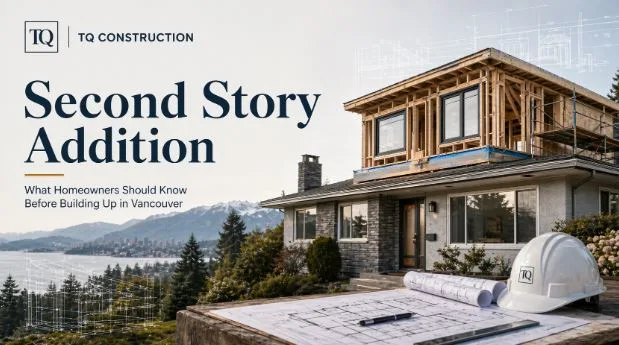
For many homeowners, space becomes a problem long before they are ready to leave the neighborhood they love.
Maybe the family is growing. Maybe you need another bedroom, a home office, or a better layout that gives everyone more room. The house may still be in a great location, but the space inside no longer works the way it used to. That is where a second story addition starts becoming a serious option.
Instead of moving, some homeowners choose to build up.
A second story addition can help you create more living space without giving up your yard, changing neighborhoods, or starting over in a new home. It can be a smart solution, especially in places like Vancouver where lot space is valuable and moving costs can be high. But at the same time, this type of project is not something to rush into.
Building upward affects structure, design, budget, permits, and the way the existing home is used during the project. It is a major renovation, and homeowners need to understand what is involved before deciding if it is the right move.
That is why working with an experienced team like TQ Construction matters. A well-planned second story addition is not only about adding square footage. It is about making sure the new space fits the home properly, works for daily life, and makes sense for the property, the budget, and the long term value of the home.
In this guide, we will walk through what homeowners in Vancouver should know before starting a second story addition project.
What a second story addition really means
A second story addition is more than simply placing another level on top of your current house.
In most cases, it means evaluating whether the existing home and foundation can support the added load, rethinking how the main floor connects to the upper level, redesigning part of the layout, and planning construction in a way that keeps the structure safe and practical. It is not just a cosmetic upgrade. It is a structural and design project that changes how the home functions as a whole.
Some homeowners picture it as adding two bedrooms and a bathroom upstairs. Others want a full second floor with a primary suite, extra family space, and better separation between quiet and shared areas. The scope can vary a lot, which is why the first step is always understanding what the home can handle and what the family actually needs.
A second story addition should feel like a natural extension of the house, not something that looks or feels forced.
Why Vancouver homeowners consider building up
In Vancouver, many homeowners are working with valuable lots and established neighborhoods. That changes the way people think about expanding their home.
Moving is not always the best option. Buying a larger house in the same area can be expensive, and leaving the neighborhood may not make sense if you are already close to schools, work, family, or the lifestyle you want. At the same time, building outward is not always possible either. Yard size, setbacks, lot coverage, and outdoor priorities can limit what can be added on the ground level.
That is why a second story addition appeals to so many homeowners.
It allows you to add meaningful space while keeping more of the outdoor area intact. It can also create a better division between living areas and sleeping areas, which many families prefer. In some homes, adding upward makes the layout feel more complete than adding to one side of the property.
When designed well, it can improve both comfort and long term value.
The first question is not design, it is structure
Before discussing layouts, finishes, or room counts, homeowners need to understand one important thing: can the existing home support a second story addition?
This is where the project starts becoming technical. The current foundation, framing, load paths, and overall condition of the house need to be reviewed. Some homes are better candidates than others. In some cases, upgrades or structural reinforcement may be needed before the addition can move forward.
That does not mean the project is impossible. It just means the planning needs to be grounded in reality.
This early structural review helps answer questions like:
- Can The Existing Foundation Support More Load
- Does The Current Framing Need Reinforcement
- Will The Main Floor Layout Need Changes To Support The New Level
- How Will The Stairs Fit Into The Existing Home
- Are There Existing Conditions That Need To Be Corrected First
This is one of the biggest reasons homeowners should work with a builder who understands this type of renovation well. A company like TQ Construction can help homeowners assess the home properly before getting too attached to ideas that may not suit the structure.
A second story addition should solve real space problems
A successful second story addition starts with a clear reason behind it.
Homeowners should ask themselves what problem they are trying to solve. Is the current home missing bedrooms? Is there not enough privacy between family members? Do you need room for a growing family, guests, or work from home needs? Are you trying to create a better long term layout instead of moving?
When the reason is clear, the design becomes stronger.
For example, some families want to move most of the bedrooms upstairs so the main floor can feel more open and relaxed. Others want a private primary suite upstairs while keeping the children’s rooms below. Some homeowners want to add a second floor because the current one-level layout feels too crowded and they need better separation between active and quiet spaces.
The more clearly you understand the problem, the easier it is to create a design that truly improves daily life.
Design matters just as much as square footage
More space alone does not guarantee a better home.
A second story addition should not feel like extra rooms stacked on top of an old layout with no connection between the two levels. It should feel like the house was always meant to work this way. That means the design stage needs real thought.
Homeowners should think about:
- How The Stairs Will Fit Naturally
- How The Upper Floor Connects To The Main Level
- Where Bedrooms Should Be Placed
- How Privacy Will Work Between Spaces
- How Natural Light Will Reach Both Levels
- Whether The Exterior Still Looks Balanced
- How The Roofline And Overall Shape Of The House Will Change
This part matters more than many people expect. A poor design can make the house feel awkward, both inside and outside. A good design makes the addition feel like a seamless part of the home.
That is where builder and design coordination becomes so important. A team like TQ Construction looks at both function and buildability so the final result works visually, structurally, and practically.
Budgeting needs to be honest from the start
A second story addition is a major investment, and homeowners should go into it with a realistic budget.
One mistake people make is comparing this kind of project to a simple renovation or smaller addition. Building upward can involve structural work, stair integration, framing changes, roofing work, mechanical updates, insulation, drywall, finish work, and possible upgrades to parts of the existing home.
In some cases, homeowners may also need to account for temporary living arrangements depending on the project scope and how much of the house is affected during construction.
Important cost factors can include:
- Structural Reinforcement
- Design And Drawings
- Permit And Approval Costs
- Demolition Or Roof Removal
- Stair Construction
- Electrical And Plumbing Adjustments
- Heating And Ventilation Updates
- Exterior Finishing
- Interior Finishing
- Site Access And Construction Logistics
The right builder will help you understand the full project picture, not just give you a surface number. That is one reason homeowners value working with TQ Construction. Clear planning early on helps reduce the kind of budget surprises that make large projects stressful.
Permits and approvals are a real part of the process
In Vancouver, homeowners should expect a second story addition to involve permits, drawings, and approvals before construction begins.
This is normal. It is part of building safely and properly.
Because this type of project changes the structure and overall size of the home, city requirements often play a major role. Setbacks, height limits, zoning, structural documentation, and other local rules can shape what is possible on the property.
This pre-construction phase may take time, but it is not wasted time. It helps confirm that the project is buildable and compliant before physical work starts.
Homeowners should not treat permits like an annoying side issue. They are a core part of the project timeline. The more clearly this is explained at the beginning, the better expectations stay throughout the process.
Living through the project may be part of the decision
One thing homeowners often underestimate is what it feels like to live through a large renovation.
Depending on the scope of the second story addition, there may be periods where the home becomes difficult to use the way you normally would. Noise, dust, temporary disruptions, and changes to access are all possible. In some cases, homeowners stay in the house for much of the project. In others, it makes more sense to move out temporarily.
This depends on the design, the structural work involved, and how the builder plans the construction sequence.
That is why homeowners should ask practical questions early:
- Will We Be Able To Stay In The House
- If So, For How Long
- Which Areas Of The Home Will Be Affected First
- When Will The Stairs Be Installed
- How Will Safety And Separation Be Handled
- Will Temporary Living Arrangements Be More Practical
Knowing the answers in advance helps the project feel more manageable. It also helps families prepare properly instead of being caught off guard later.
Exterior appearance matters more than people think
A second story addition changes not only the inside of the house, but also how it looks from the street.
That is why exterior planning matters a lot. The added level should fit the style, proportion, and character of the home. If it looks too bulky, too top-heavy, or disconnected from the lower level, the result may feel off even if the interior space works well.
This is especially important in established Vancouver neighborhoods where homeowners want the home to feel updated without looking out of place.
A good design pays attention to:
- Rooflines
- Window Placement
- Exterior Materials
- Overall Balance
- Entry Presence
- Street View Appeal
The goal is not just to add space. It is to improve the home in a way that feels complete.
Timing should be realistic
A second story addition is not a weekend project and it is not something that moves at the same speed as a cosmetic renovation.
There are several stages involved, including planning, structural review, design development, permit preparation, approvals, and then the actual construction. Each phase matters, and rushing any of them can create problems later.
Homeowners should be realistic about timing and avoid focusing only on the build phase. Often, the early planning stages are what make the construction phase smoother. If the design is thoughtful and the project is organized before site work starts, there tend to be fewer surprises once the work is underway.
That is why the best builders do not just move fast. They move clearly.
Builder experience makes a big difference
Not every contractor is the right fit for a second story addition project.
This type of work involves more than general renovation knowledge. It requires strong planning, structural awareness, sequencing, problem solving, and the ability to blend old and new parts of the home in a practical and visually balanced way.
Homeowners should look for a builder who can:
- Assess The Existing Home Properly
- Guide The Design In A Practical Way
- Explain Structural Needs Clearly
- Set Realistic Expectations For Budget And Timing
- Coordinate The Work In A Way That Feels Organized
- Communicate Consistently Throughout The Process
This is where a company like TQ Construction brings real value. With the right team, homeowners can move forward with better confidence because the project is being planned and built with care from the beginning.
How to know if a second story addition is the right move
A second story addition can be a smart solution, but it is not the best answer for every home or every family.
It may be the right move if:
- You Love Your Current Location
- Your Lot Does Not Allow A Large Ground Floor Addition
- You Want To Keep More Yard Space
- Your Home Needs More Bedrooms Or Better Separation Of Space
- Moving Would Cost More Or Create More Stress
- The Structure Can Support Building Up With The Right Planning
It may need more careful review if the existing home has major structural issues, the budget does not match the project scope, or the lot and city rules create limits that change what is possible.
That is why an early review with an experienced builder matters so much. It helps homeowners understand whether the idea makes sense before going too far into the process.
Final thoughts
A second story addition can completely change the way a home works.
For Vancouver homeowners who need more space but do not want to move, it can be a practical and valuable way to stay in the neighborhood they love while building a better layout for the future. But it is also a major project that needs thoughtful planning from the start.
Structure, design, budget, permits, timing, and builder selection all play a role in how successful the project feels. The more clearly those pieces are handled early, the smoother the process tends to be.
That is why working with a builder like TQ Construction makes a difference. A well-planned second story addition is not just about adding rooms. It is about creating space that feels natural, useful, and worth the investment for years to come.