Consumer Trends in Wellness and Fashion Continue to Gain Momentum
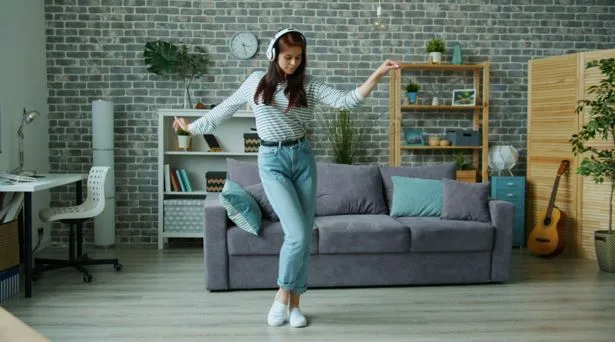
Wellness and fashion are no longer separate categories, they are increasingly intertwined, shaping how consumers express identity, health priorities, and lifestyle choices. What people wear and how they care for their bodies are now part of a broader narrative around balance, self-care, and intentional living. This shift is visible across product demand, where comfort, functionality, and aesthetic appeal all play equally important roles.
As consumer expectations evolve, both industries are adapting. Fashion is becoming more wellness-oriented, while wellness products are being presented with the same attention to branding and lifestyle positioning traditionally reserved for apparel.
The Rise of Lifestyle-Driven Fashion Choices
Fashion is no longer just about appearance, it reflects how people live. Consumers are choosing pieces that align with their routines, whether that means travel, fitness, or relaxation.
Collections like hunza g represent this shift clearly. These types of products are not only designed for style but also for comfort, flexibility, and everyday wearability. The focus is on pieces that move seamlessly between different settings, from leisure to social environments.
This evolution shows how fashion demand is increasingly driven by lifestyle compatibility rather than purely seasonal trends.
Wellness as a Daily, Integrated Practice
Wellness has moved beyond occasional routines and become part of everyday life. Consumers are looking for ways to support their health consistently, rather than relying on short-term solutions.
Options like Resbiotic reflects how wellness is being approached from the inside out, with more attention placed on digestion, balance, and long-term well-being. Rather than reacting to problems, consumers are building habits that support ongoing health.
This shift shows how wellness products are becoming part of daily routines in the same way as clothing or personal care items.
The Influence of Digital Culture on Demand
Social media continues to play a major role in shaping both wellness and fashion trends. Platforms like Instagram and TikTok influence how products are discovered, evaluated, and adopted.
Consumers are exposed to curated lifestyles where fashion and wellness are presented together, outfits paired with routines, products shown in context rather than isolation. This creates a more cohesive narrative that encourages purchasing decisions based on aspiration and relatability.
Digital culture has also accelerated the pace of trends, making adaptability essential for brands in both industries.
Personalisation and Individual Expression
Photo by Surface on Unsplash
Consumers are increasingly drawn to products that feel personal. This trend spans both fashion and wellness, where individuality is becoming a key driver of demand.
In fashion, this means selecting pieces that reflect personal style rather than following uniform trends. In wellness, it involves choosing products and routines tailored to specific needs, whether related to fitness, nutrition, or lifestyle preferences.
Personalisation enhances the connection between the consumer and the product, making it more likely that the item becomes part of long-term use rather than a short-term purchase.
Blending Comfort With Aesthetic Appeal
Comfort has become a defining factor in both wellness and fashion. Consumers are no longer willing to compromise on how something feels in order to achieve a certain look.
This shift has led to the rise of products that combine functionality with design. Clothing is expected to be comfortable enough for daily wear while still maintaining a strong visual identity. Similarly, wellness products are designed to fit seamlessly into routines without adding complexity.
This balance between comfort and aesthetics reflects a broader change in priorities, where practicality and experience are just as important as appearance.
The Long-Term Impact on Consumer Behaviour
The merging of wellness and fashion is not a temporary trend, it reflects a deeper change in how consumers approach their lives. Products are no longer chosen in isolation; they are selected based on how they fit into a broader lifestyle.
This means demand is becoming more intentional. Consumers are looking for items that support their routines, reflect their values, and enhance their overall well-being.
As these trends continue to develop, both industries will need to adapt by focusing on integration, authenticity, and long-term value rather than short-term appeal.