The Future of Fortification: Why Modern Problems Require Modular Solutions
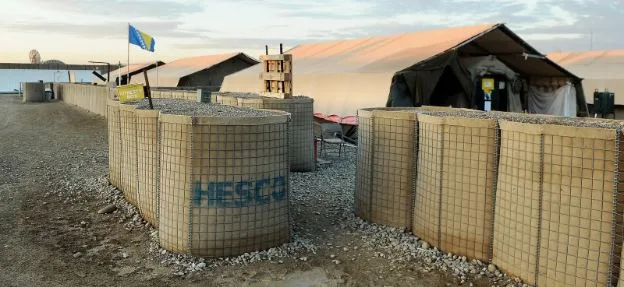
In the unpredictable climate of 2026, the demand for rapid infrastructure protection has never been higher. Whether you’re battling rising floodwaters or securing a remote industrial site, the technology we use to build defensive walls has evolved far beyond the humble, hand-filled sandbag.
For decades, the industry relied on the traditional gabion box. While these rock-filled wire cages remain a staple for long-term erosion control, their labor-intensive assembly often falls short during time-sensitive emergencies. This is where the hesco barrier has completely redefined our expectations of what a “wall” can be. By integrating a heavy-duty geotextile liner into a collapsible wire frame, these units can be deployed in minutes and filled with almost any local material using a front-loader.
When planning a defense strategy, the conversation often shifts toward the bottom line. While the initial hesco barrier price might reflect the high-quality engineering and materials involved, the “total cost of protection” tells a different story. The massive savings in man-hours and the sheer speed of deployment make it a far more efficient investment for large-scale projects where time is the most expensive resource.
Ultimately, choosing the right fortification is about balancing speed, durability, and budget. In a world where every minute counts, having a modular, reliable system isn’t just a logistical advantage—it’s the cornerstone of modern resilience.