Is Artificial Turf the Future of Urban Landscaping?
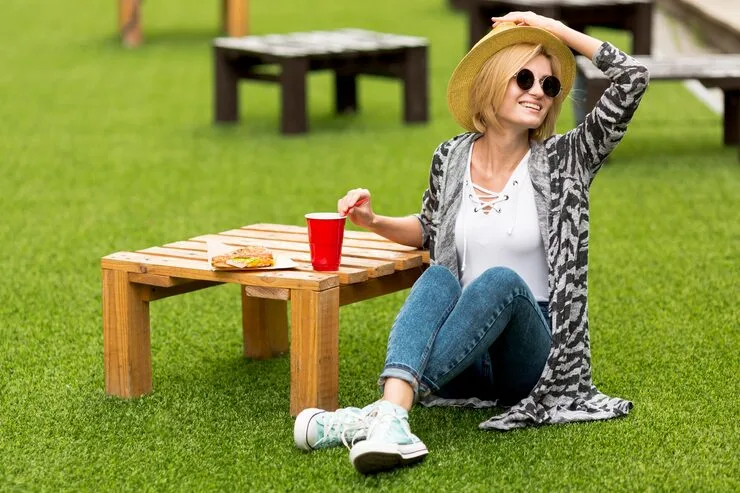
Trying to maintain a lush, green lawn in a city environment comes with several hurdles. If you’ve ever stood over a patch of yellowed grass, clutching a water bill that makes your eyes water, you know the frustration. The strict water restrictions, the skyrocketing cost of maintenance, and the sheer lack of time to spend your weekends behind a lawnmower can make the dream of a perfect yard to quickly become a burden. You might find yourself scrolling through options for artificial turf near phoenix az, wondering if there’s a way to get that curb appeal back without the constant stress. It’s a common struggle for urban homeowners who want a beautiful space but are tired of the uphill fight against heat and high costs.
But here’s the thing: we’ve reached a point where the “plastic” look of the past has been replaced by something much more sophisticated. The shift toward synthetic grass is a practical response to how you live today. Cities are getting hotter, schedules are getting tighter, and resources, especially water, are becoming more precious. Is it possible that the future of the cityscapes isn’t found in a seed packet, but in a well-engineered roll of synthetic fiber? Keep reading to find out.
The Survival of the Greenest (Without the Water)
In an urban setting, especially in the more arid parts of the country, keeping grass alive is basically an act of defiance against nature. You’re pouring hundreds of gallons into the ground every week, only for a heatwave to turn your hard work into a crisp brown carpet. It’s a cycle that can be unsustainable, both for your wallet and the environment. Have you ever stopped to calculate how much you’re spending just to keep things from dying?
Artificial turf changes that math entirely. Once it’s installed, the faucet stays off. In 2026, being “water-wise” is becoming a badge of honor. It’s a relief to look out the window during a drought and see a yard that still looks vibrant and inviting, while the rest of the neighborhood is struggling with “stage three” restrictions and dusty patches.
Reclaiming Your Weekend for What Matters
How many Saturdays have you lost to the “landscaping vortex”? You know the one that starts with a quick mow, turns into an afternoon of edging, and ends with you at the hardware store buying bags of fertilizer and weed killer? By the time you’re done, the sun is down and you’re too tired to enjoy the yard you just worked on. Does that really seem like a fair trade-off for a “natural” lawn?
The beauty of the synthetic revolution is that it gives you your life back. Here’s the thing: most people living in cities have limited outdoor space as it is. You want that space to be a sanctuary, a place for a morning coffee or a weekend barbecue, not a second job. When you remove the need for mowing, weeding, and fertilizing, your backyard transforms from a chore list into a living room.
Durability in a High-Traffic World
Urban yards are often small, which means every square inch gets used. If you have kids or pets, a traditional lawn in a small space doesn’t stand a chance. Within a month, you’ve got “death paths” worn into the grass where the kids run, and bare spots where the dog likes to dig. Real grass just isn’t designed for that kind of concentrated traffic. It’s fragile, and in a city environment, you need things that are tough.
Modern artificial turf is built like a tank, but it feels like… well, grass. The backing systems are designed to handle heavy foot traffic and provide excellent drainage, which is a huge deal for pet owners. You don’t have to worry about “yellow spots” or the yard turning into a mud pit after a quick shower.
Summing Up
Is artificial turf the definitive future of urban landscaping? When you look at the direction the world is moving; toward higher efficiency, lower waste, and a premium on personal time, it’s hard to argue otherwise. Today, the real luxury is a beautiful, sustainable space that doesn’t demand your entire weekend to maintain.