10 Reasons Why Dayton Gymnastics is the Ultimate Foundation for Your Child’s Success
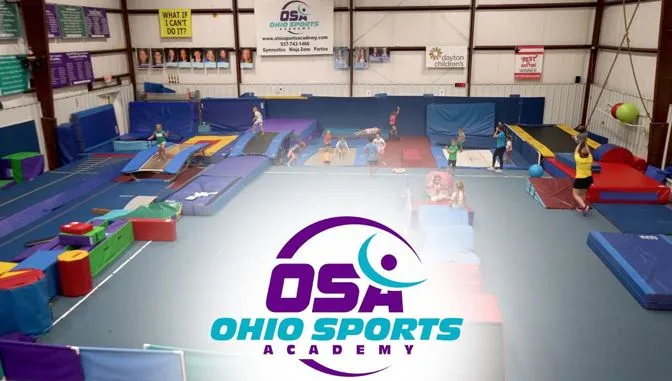
Choosing an extracurricular activity for your child is about more than just filling an afternoon slot in the family calendar. It is about investing in their physical, cognitive, and social development. In the Greater Dayton area, parents have discovered that the local gymnastics scene offers a unique blend of high-energy fun and rigorous skill-building. Whether your child is a high-energy toddler or a focused teenager, the discipline of gymnastics provides a “whole-child” approach to fitness that few other sports can match.
1. Building Functional Strength from the Ground Up
Gymnastics is one of the few sports that utilizes the entire body in every single session. Unlike traditional sports that may focus primarily on leg strength or cardiovascular endurance, gymnastics develops “pound-for-pound” strength. When a child hangs from a bar, they are building upper-body and grip strength. When they hold a handstand, they are engaging their core and shoulder stability. This creates a balanced, athletic physique that serves as a protective shield against injuries in other sports.
At Ohio Sports Academy, the focus on proper technique ensures that this strength is built safely and progressively. Students learn to master their own body weight before moving on to more complex maneuvers. This functional strength doesn’t just help them on the mats; it improves their posture and physical resilience in everyday life, from carrying a heavy school backpack to participating in gym class.
2. The Cognitive “Brain Boost” of Complex Movement
Recent neuroscience research has highlighted a powerful connection between complex physical movement and brain development. Gymnastics is a cognitively rich activity because it requires the brain to process a massive amount of sensory information in real-time. Every tumble, twist, and balance check forces the brain to calibrate its “internal GPS,” improving the vestibular and proprioceptive systems.
One of the most significant cognitive benefits is the practice of “crossing the midline.” Many gymnastics moves require the left and right hemispheres of the brain to communicate rapidly. This neural connectivity is a critical building block for academic tasks like reading and writing. By engaging in dayton gymnastics, young children are literally building the neural architecture that supports their future classroom success.
3. Developing Elite Levels of Coordination and Agility
Coordination is the ability to move different parts of the body together smoothly and efficiently. In gymnastics, this is taken to an extreme level. Students must learn to time their jumps, control their landings, and maintain awareness of their body position even while upside down. This “spatial awareness” is a highly prized skill that translates directly into STEM fields like geometry and physics, where understanding angles and trajectories is essential.
4. Cultivating Discipline and the “Grit” Mindset
Gymnastics is a sport of progression. A child doesn’t simply walk into a gym and perform a back handspring on day one. It takes weeks, months, and sometimes years of dedicated practice to master a single skill. This process teaches children the value of “grit”—the passion and perseverance for long-term goals.
In an age of instant gratification, the gym serves as a “social laboratory” where children learn that failure is not a dead end but a necessary step toward success. Falling off a beam and getting back on to try again builds a resilient mindset. This ability to handle setbacks with grace and determination is perhaps the most valuable life skill a child can take away from their training.
5. Enhancing Flexibility and Joint Health
While strength is vital, flexibility is the key to longevity in any physical pursuit. Gymnastics classes emphasize dynamic stretching and a full range of motion. This doesn’t just help with high kicks and splits; it keeps the joints healthy and the muscles supple. Increased flexibility reduces the risk of muscle strains and allows for greater efficiency in movement, which is beneficial whether a child continues in gymnastics or transitions to sports like soccer, swimming, or dance.
6. Social Skills and Teamwork in an Individual Sport
Though a gymnast often performs alone, the training environment is deeply social. Students train in groups, learn to take turns, and must follow multi-step instructions from their coaches. This fosters a sense of respect for authority and peers. Moreover, the gym culture encourages athletes to cheer for one another. Watching a teammate finally land a move they’ve been struggling with—and celebrating that win together—teaches empathy and the importance of community.
7. Stress Relief and Mental Well-being
The modern school year can be high-pressure. Between standardized testing and social dynamics, children often carry more stress than we realize. Physical activity is a proven natural stress reliever, releasing endorphins that improve mood and sleep quality. The gym provides a safe space where kids can “let loose,” burn off nervous energy, and focus entirely on the physical task at hand, providing a much-needed mental break from academic demands.
8. Safety First: Learning How to Fall
It might sound counterintuitive, but one of the most important things a child learns in gymnastics is how to fall safely. Coaches teach “safe landing” techniques that minimize the risk of injury. By learning how to tuck, roll, and dissipate the force of an impact, children become more “durable” in their everyday play. This safety-conscious training gives parents peace of mind and gives children the confidence to explore their physical limits within a controlled environment.
9. Confidence Through Measurable Achievement
There is no feeling quite like the “I did it!” moment in a gym. Because gymnastics skills are so visual and tangible, children can clearly see their own progress. This creates a powerful cycle of confidence. When a child masters a skill they once thought was impossible, their self-perception changes. They stop saying “I can’t” and start asking “How do I?” This newfound confidence often bleeds over into other areas of life, leading to higher participation in class and a greater willingness to try new hobbies.
10. Fun! The Ultimate Motivator
At the end of the day, children stay active because it’s fun. The joy of flying through the air, the thrill of the “Ninja” obstacle courses, and the satisfaction of a perfect landing are what keep kids coming back. The Dayton gymnastics community is known for creating high-energy, engaging environments where “serious fun” is the primary goal. When fitness feels like a game, children develop healthy habits that last a lifetime.
Why Choose the Dayton Area for Your Training?
Dayton has a rich history of supporting youth athletics, and the gymnastics facilities here are among the best in the state. From state-of-the-art equipment to USAG-certified coaching, the local infrastructure is designed to support everyone from the “mommy and me” classes to competitive level athletes.
Integrating Sports into a Busy Schedule
We understand that modern families are busy. However, the benefits of a structured movement program are so profound that it often becomes the highlight of a child’s week. By choosing a facility that offers flexible scheduling and a wide variety of programs—including tumbling, ninja, and cheer—you can find a path that fits your child’s unique interests and your family’s routine.
A Foundation for the Future
Whether your child dreams of Olympic gold or simply wants a fun way to stay active with friends, gymnastics provides the fundamental building blocks of a healthy life. The strength, coordination, and confidence they gain on the mats today will serve as the foundation for their success tomorrow. In Dayton, we don’t just build gymnasts; we build strong, resilient, and confident kids who are ready to take on the world, one cartwheel at a time.