From Blurry to Clear: How AI Unblur Image Tools Are Changing Visual Content
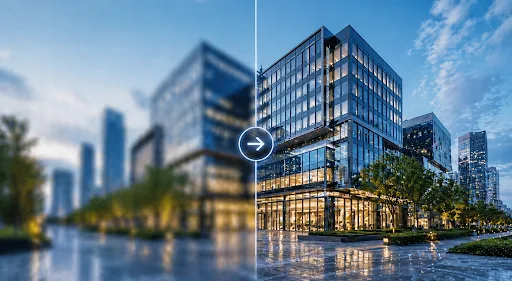
In a digital world where images shape first impressions, visual clarity has become more than a design preference. It now influences trust, engagement, and the way people interpret information online. From social media posts and product photos to news images and archived personal memories, blurry visuals can weaken impact and reduce credibility.
This is why AI-powered image enhancement is gaining momentum. Instead of relying only on manual editing, users can now restore clarity, recover details, and improve image quality in seconds.
Why Image Clarity Matters More Than Ever
The internet is filled with compressed, resized, and low-resolution visuals. Images are often shared across multiple platforms, downloaded, reuploaded, cropped, or captured in poor lighting. Each step can reduce quality.
For businesses, this can affect how customers perceive a product. For publishers, unclear images may reduce the authority of a story. For creators, blurry visuals can lower engagement and make content feel less professional.
As visual competition increases, clear images are becoming a basic standard for digital communication.
How AI Unblur Image Tools Work
Traditional sharpening filters usually increase contrast around edges, but they cannot truly recover lost details. AI unblur technology works differently. It uses trained models to analyze patterns, textures, shapes, and missing visual information, then intelligently reconstructs a clearer version of the image.
Modern tools such as unblur Image solutions make this process accessible to everyday users. Instead of spending time with complex editing software, people can upload a blurry image and let AI improve sharpness, facial details, object edges, and overall clarity automatically.
Practical Uses Across Digital Content
AI unblurring is useful across many real-world scenarios.
For eCommerce, sharper product photos can improve buyer confidence and make listings look more professional. Sellers often have older product images or supplier-provided visuals that need improvement before publication.
For social media creators, AI can help rescue photos affected by motion blur, compression, or poor focus. Clearer thumbnails and visuals can increase click-through rates and make posts more engaging.
For personal use, AI tools can improve old family photos, travel shots, and important memories that were captured with older cameras or in difficult conditions.
For media and publishing teams, image enhancement can help improve archived visuals, supporting clearer storytelling while maintaining a more polished editorial presentation.
Beyond Unblurring: The Role of Upscaling
Unblurring is only one part of modern image enhancement. Once an image becomes clearer, users may also need to increase its resolution for websites, presentations, product pages, or print materials.
This is where tools that upscale photo quality become valuable. AI upscaling can enlarge images while preserving details, reducing pixelation, and improving overall visual quality. Together, unblurring and upscaling create a more complete workflow for restoring and preparing images for professional use.
The Future of Visual Content Quality
As AI models improve, image enhancement will likely become a standard feature across digital platforms. Smartphones, content management systems, eCommerce tools, and social media apps may increasingly include automatic clarity improvement in their workflows.
However, responsible use will also matter. AI can improve details, but users should avoid misrepresenting edited images, especially in journalism, legal contexts, or sensitive documentation.
Final Thoughts
AI unblur image tools are changing how people handle imperfect visuals. They make image restoration faster, easier, and more accessible, helping businesses, creators, and everyday users turn low-quality photos into clearer, more useful assets.
In 2026 and beyond, visual quality will continue to influence trust and engagement. AI-powered unblurring and upscaling are becoming essential tools for anyone who wants digital content to look sharper, cleaner, and more professional.