What It Really Takes to Cross the Indian Ocean: A Real Catamaran Expedition Case Study
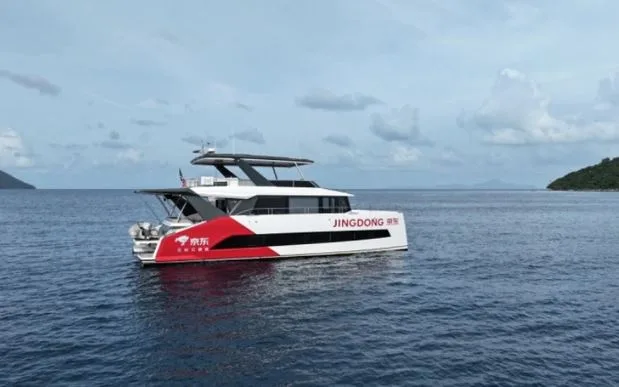
A recent expedition by experienced sailors Da Xiong and Tang Tang offers a clear and realistic perspective on what it truly takes to complete an Indian Ocean crossing. While many people imagine ocean voyages as relaxing journeys filled with scenic views, the reality is far more complex, requiring endurance, careful planning, and a vessel capable of performing consistently over long distances.
The Reality of Ocean Crossing: It’s Not About Distance
Transoceanic sailing is often associated with extreme distances, but the real challenge lies in continuity. Unlike coastal routes, where sailors can stop frequently for rest and resupply, open-ocean passages offer very limited flexibility.
Once committed to a route, the crew must maintain course for days or even weeks without interruption. This creates a unique psychological environment where time becomes blurred, surroundings remain largely unchanged, and maintaining routine becomes essential for both safety and mental stability.
Why Vessel Reliability Matters More Than Speed
During preparation, the crew focused less on speed or performance and more on long-term reliability. Experienced sailors often emphasize that ocean crossings are not about how fast a vessel can travel, but how consistently it can operate without failure.
Boats that require constant maintenance or frequent adjustments can quickly become a liability in remote offshore conditions. This is why many sailors prioritize stability, system simplicity, and ease of operation when selecting a vessel for long-distance travel.
This principle is explored further in a detailed breakdown of what actually defines the best yacht for ocean crossing, where real-world case studies highlight why stability and low-maintenance systems are more important than raw performance.
Stability: The Hidden Factor Behind Crew Performance
One of the most underestimated aspects of long-distance sailing is how vessel motion affects human performance. Monohull vessels tend to experience more rolling and pitching, which can become physically exhausting over time, especially when it disrupts sleep cycles.
In contrast, catamarans provide a more stable and balanced motion. This allows crew members to rest more effectively, which directly impacts decision-making, reaction time, and overall endurance during extended voyages.
Over the course of an ocean crossing, these small differences in comfort and stability can significantly influence the outcome of the journey.
Common Challenges During Ocean Crossings
Long-distance ocean crossings present several challenges that are often underestimated, especially by those with limited offshore experience.
Weather unpredictability remains one of the biggest risks. Even with modern forecasting tools, sudden changes in wind patterns and sea conditions can create dangerous situations.
Fatigue is another critical factor. Crews must operate on rotating shifts, often with limited sleep, which can gradually impact performance and decision-making.
Equipment reliability is equally important. Minor technical issues that are manageable near shore can become serious problems when the vessel is hundreds of miles away from land.
Mental endurance also plays a key role. The repetitive environment, combined with isolation, requires sailors to maintain strong routines and discipline to stay focused.
How to Prepare for a Successful Ocean Voyage
Preparation is essential for any successful ocean crossing. Sailors typically spend significant time ensuring that their vessel is ready for long-distance travel.
This includes checking navigation systems, verifying fuel and water capacity, and ensuring backup systems are in place. Route planning is also crucial, as choosing the right season and understanding ocean currents can reduce risks significantly.
In addition, crews must be trained to handle emergencies, including equipment failures and unexpected weather changes. The more prepared a crew is, the better they can adapt to challenges during the journey.
Life at Sea: Routine Over Adventure
Contrary to popular belief, ocean voyages are not filled with constant excitement. Instead, they revolve around maintaining a stable routine.
Daily tasks include monitoring navigation, managing onboard systems, and maintaining living conditions. Over time, the ability to sustain consistency becomes more important than any individual moment of adventure.
What Makes a Yacht Truly Ocean-Capable?
Based on real-world experience, the defining characteristics of an ocean-crossing vessel are:
- Stability over speed
- System reliability over complexity
- Livability over short-term performance
Ultimately, the success of a transoceanic voyage depends less on extreme capabilities and more on whether a vessel can perform consistently over time.