EngineDIY Mini Engine Kits: A Complete Guide for Beginners and Engineering Enthusiasts
Introduction
EngineDIY mini engine kits have become very popular among hobbyists, students, and engineering lovers who want to understand how real engines work in a simple and hands-on way. These kits are designed to give a practical learning experience without needing advanced tools or industrial setups. A typical EngineDIY set includes a working model of a small engine that runs on fuel or electricity, allowing users to see real mechanical motion in action. The idea behind a mini engine kit is to simplify complex engineering concepts so beginners can easily understand combustion, motion, and mechanical design. Many people use these kits as educational tools, while others enjoy them as a fun hobby project. In this guide, we will explore how these kits work, their components, benefits, and how you can build and use them effectively to improve your mechanical knowledge.
What Are EngineDIY Mini Engine Kits?
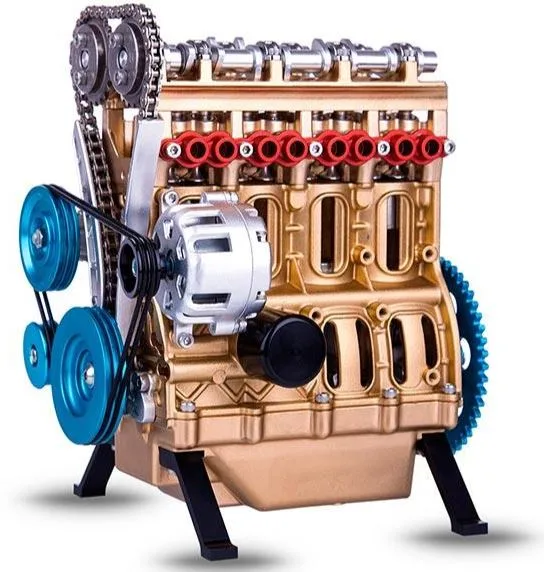
EngineDIY mini engine kits are small-scale working models of real engines that are designed for educational and hobby purposes. These kits usually include pre-machined metal or plastic parts that can be assembled to create a functioning mini engine. The EngineDIY brand is known for producing high-quality kits that replicate real engine mechanics such as pistons, cylinders, crankshafts, and valves. When assembled correctly, the engine can move just like a real machine, helping users understand how energy is converted into motion. These kits are especially useful for beginners who want to learn engineering basics in a practical way. Instead of just reading theory, users can physically build and observe how each part interacts. This hands-on experience makes learning more engaging and effective. Many students, engineers, and hobbyists prefer EngineDIY kits because they combine education with entertainment in a very simple and interactive form.
How Mini Engine Kits Work
A mini engine from EngineDIY works on the same basic principles as a real combustion engine, but on a much smaller scale. The engine typically uses a fuel source like alcohol or a small battery-powered system to create energy. Inside the engine, fuel combustion or electric power creates movement in the piston. This motion is then transferred to the crankshaft, which converts it into rotational energy. This process helps users understand how real engines power vehicles and machines. EngineDIY kits are carefully designed so every part is visible during operation, making it easier to observe how energy flows through the system. The transparency of the design helps learners understand key engineering concepts like compression, ignition, and mechanical force. By watching the engine run, users can clearly see how simple components work together to create continuous motion in a controlled and safe environment.
Key Components of EngineDIY Kits
An EngineDIY mini engine kit includes several important components that work together to make the engine function smoothly. The most common parts include the cylinder, piston, crankshaft, flywheel, fuel tank, and ignition system. Each part plays a specific role in the operation of the mini engine. For example, the piston moves up and down inside the cylinder, while the crankshaft converts that motion into rotation. The flywheel helps maintain balance and smooth movement. EngineDIY designs these parts with precision so users can easily assemble and understand their function. Some kits also include cooling systems and spark plugs to simulate real engine conditions. By studying each component, learners gain a deeper understanding of mechanical engineering principles. This makes EngineDIY kits not only fun but also highly educational for those interested in machines, robotics, or automotive engineering.
Benefits of Using EngineDIY Mini Engine Kits
There are many benefits to using EngineDIY mini engine kits, especially for beginners and students. First, they provide hands-on learning, which is more effective than reading books or watching videos. A mini engine kit allows users to see real mechanical movement, making complex concepts easier to understand. Second, these kits improve problem-solving and critical thinking skills because users must carefully assemble each part. Third, they build interest in engineering and technology careers by showing how real engines function. EngineDIY kits are also safe and beginner-friendly, making them suitable for all age groups. Another major benefit is that they help improve patience and focus during assembly. Many hobbyists also find these kits relaxing and enjoyable. Overall, EngineDIY kits combine education and entertainment, making them a valuable tool for learning mechanical engineering in a practical and engaging way.
Step-by-Step Guide to Building a Mini Engine
Building an EngineDIY mini engine kit is a step-by-step process that requires attention and patience. First, carefully unpack all parts and read the instruction manual. Organizing components is important before starting assembly. Next, begin with the base structure, which supports the entire mini engine. Then install the piston and cylinder system, ensuring smooth movement. After that, attach the crankshaft and connect it properly to the piston. Once the main structure is complete, install the flywheel and ignition system. EngineDIY kits are designed to fit perfectly, so each part should be placed carefully without forcing it. After assembly, test the engine using the recommended fuel or power source. Watching the engine run for the first time is an exciting experience. This step-by-step process not only builds the engine but also improves technical understanding and mechanical skills.
Common Mistakes and Helpful Tips
While working with EngineDIY mini engine kits, beginners often make a few common mistakes. One mistake is not reading the instructions properly, which can lead to incorrect assembly of the mini engine. Another mistake is forcing parts together, which can damage small components. It is also common to skip steps or rush the process, which affects performance. To avoid these issues, always follow the manual carefully and take your time. Organizing parts before starting is also very helpful. EngineDIY recommends working in a clean and well-lit space to avoid losing small pieces. Another useful tip is to test each section of the engine before final assembly to ensure everything works smoothly. With patience and attention to detail, users can successfully build a fully functional engine model and enjoy a smooth learning experience without frustration.
Why EngineDIY Is Popular Among Hobbyists
EngineDIY has gained popularity among engineering students and hobbyists because it offers a realistic and educational experience. Unlike simple toy models, a mini engine kit from EngineDIY actually works and demonstrates real mechanical principles. This makes it ideal for people who want to learn engineering in a practical way. The brand is also known for its high-quality materials and detailed designs, which closely resemble real engines. Many users appreciate the challenge of assembling the kits, as it improves their technical skills and knowledge. EngineDIY products are also widely used in schools and training centers for teaching purposes. The combination of learning and fun makes these kits highly attractive to both beginners and advanced users. As interest in DIY engineering grows, EngineDIY continues to be a trusted choice for hands-on mechanical learning.
Conclusion
EngineDIY mini engine kits are an excellent way to explore the world of mechanical engineering in a simple and practical manner. These kits help users understand how real engines work by allowing them to build and observe a functioning mini engine. From learning basic components to understanding complex motion systems, EngineDIY provides a complete educational experience. Whether you are a student, hobbyist, or engineering enthusiast, these kits offer both learning and enjoyment. They improve technical skills, encourage problem-solving, and build curiosity about machines and technology. With proper guidance and patience, anyone can successfully assemble and operate these engines. In the end, EngineDIY kits are more than just models—they are powerful learning tools that bring engineering concepts to life in a fun and interactive way.