How to evaluate your home’s solar potential before installing panels
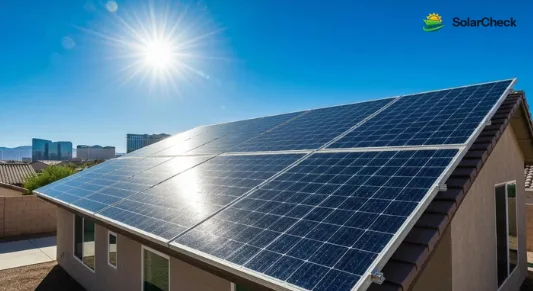
Switching to solar energy is a smart decision for many homeowners today. It can reduce electricity bills, lower dependence on the grid, and support a cleaner environment. But before installing solar panels, it is important to understand one key thing: how good your home is for solar power generation.
Not every home produces the same amount of solar energy, even in the same city. Factors like roof direction, shading, roof strength, and sunlight hours all play a role. By choosing to check solar potential in advance, you reduce the risk of poor decisions and improve your overall solar savings.
In this guide, we will explain in simple terms how you can evaluate your home’s solar potential before installation.
Understand your roof direction and tilt
The direction your roof faces is one of the most important factors in solar energy production. Solar panels generate the most electricity when they receive direct sunlight for long hours during the day.
In India, south-facing roofs are generally the most efficient because they receive maximum sunlight throughout the year. East- and west-facing roofs can also work well, but they may produce slightly less energy depending on the timing of sunlight exposure.
Roof tilt or slope is equally important. The ideal angle helps panels capture sunlight more effectively. In most parts of India, a tilt between 10° to 30° works well.
If your roof is flat, that is not a problem. Solar panels can be installed using mounting structures that create the correct angle for better performance.
A proper evaluation of roof direction and tilt ensures your system is designed for maximum efficiency rather than average output.
Check your solar potential with a solar report
Before installing solar panels, it is important to understand how much solar energy your home can actually generate based on your exact location and roof conditions. A solar report provides a clear, data-driven analysis so you don’t have to rely on guesswork.
A solar report uses satellite data, weather conditions, and roof structure details to estimate your home’s solar potential. It shows how much electricity your rooftop system can generate throughout the year.
By checking your solar report, you can understand:
- Estimated solar power generation per month
- Suitable system size for your home
- Expected electricity bill savings
- Payback period for your investment
- Sunlight availability in your area
This is important because even homes in the same neighborhood can have different solar performance due to shading, roof angle, or surrounding buildings. A solar report removes this uncertainty and gives you a personalized analysis.
It also helps you plan your investment better by showing how quickly your system can recover its cost through savings. In simple terms, a solar report acts as a guide for your rooftop and helps you make a confident installation decision.
Check for shading throughout the day
Shading is one of the biggest reasons for reduced solar performance. Even partial shading on a small portion of the system can significantly reduce energy production, especially in traditional string inverter systems where one shaded panel can impact overall output.
Common sources of shading include:
- Nearby buildings
- Tall trees
- Water tanks or antennas
- Walls or adjacent structures
It is important to observe your roof at different times of the day, morning, noon, and evening to understand how sunlight falls across it. A roof that is partially shaded in certain hours may still be usable, but it will affect total energy generation.
Modern solar systems use technologies like microinverters and power optimizers to reduce shading losses, but choosing a less shaded area is always better for long-term performance.
Measure usable roof space
Not every part of your roof can be used for solar panel installation. You need clear, obstruction-free space to ensure safe installation and optimal performance.
Common elements that reduce usable space include:
- Water tanks
- Vent pipes
- Staircase rooms
- AC outdoor units
- Roof edges and safety margins
On average, a 1 kW solar system requires around 80–100 square feet of usable space. This means a 3 kW system typically needs about 240–300 square feet.
It is also important to leave space between panels and roof edges for safety, airflow, and maintenance access.
Measuring usable roof space accurately helps you determine the maximum system size your home can support.
Evaluate your daily electricity consumption
Understanding your electricity usage is essential for designing the right solar system. Your system should match your consumption to ensure maximum savings.
You can check your electricity bills to find your average monthly usage in kilowatt-hours (kWh).
Typical usage levels:
- Small home: 100–250 kWh/month
- Medium home: 250–500 kWh/month
- Large home: 500+ kWh/month
On average, a 1 kW solar system generates around 3.5 to 5 kWh per day in India, depending on location, weather conditions, and system efficiency.
Based on this, you can estimate system size. For example, if your home uses around 300 kWh per month, a 2–3 kW solar system is usually sufficient.
This step ensures you install a system that is neither too small nor unnecessarily large, helping you achieve better returns.
Analyze sunlight availability in your location
Solar power generation depends heavily on how much sunlight your location receives throughout the year, known as solar irradiance.
Most parts of India receive strong solar exposure, but it varies by region and season:
- South India: High and consistent sunlight
- Coastal regions: Good sunlight with weather variations
- Northern regions: Seasonal variation, especially in winter
On average, most locations in India receive around 4 to 6 peak sun hours per day annually, making solar energy a highly viable option.
Seasonal changes also affect output. Summer months typically produce higher energy, while monsoon months may reduce generation due to cloud cover and rain.
Understanding sunlight availability helps set realistic expectations for your solar system’s performance.
Final thoughts
Evaluating your home’s solar potential is the most important step before installing solar panels. It ensures your decision is based on real data rather than assumptions.
By analyzing roof direction, shading, usable space, electricity consumption, and sunlight availability, you can clearly understand how effective solar energy will be for your home.
A professional solar assessment tool or solar report simplifies this process by providing accurate, location-based insights into your rooftop’s performance.
When done correctly, solar installation becomes not just a home upgrade, but a long-term investment that reduces electricity bills and supports clean energy for years to come.