The Global Impact and Enduring Mechanics of the Counter-Strike Franchise
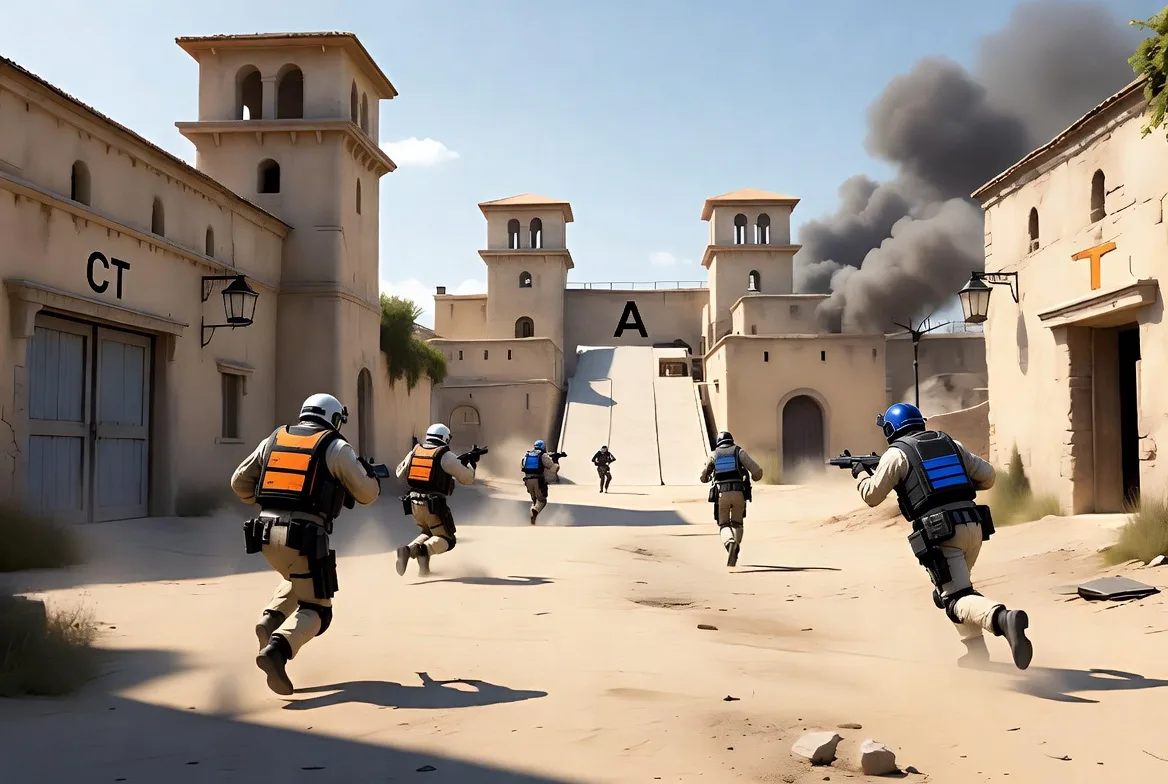
The world of competitive first-person shooters owes much of its DNA to a single title that emerged from the modding community at the turn of the millennium. Even today, thousands of players worldwide still seek out a cs 1.6 download to experience the game that prioritized raw aim and tactical positioning over flashy mechanics. This title didn’t just create a game; it created a framework for professional gaming that has persisted for over two decades. Its simple premise—Terrorists versus Counter-Terrorists in a high-stakes objective-based battle—remains the gold standard for competitive balance.
Reliability and performance are the cornerstones of the legacy community, where many veterans continue to play counter-strike v1.6 to maintain the mechanical skill sets required for modern sequels. By stripping away the visual clutter of modern gaming, players can focus on the core fundamentals: crosshair placement, utility timing, and communication. This article explores how this foundational title shaped the modern esports industry and why its mechanical purity continues to draw millions of players across different generations.
The Rise of the Tactical FPS
Before the emergence of Counter-Strike, the shooter market was dominated by high-speed ‘arena’ shooters like Quake and Unreal Tournament. These games focused on power-up control and rapid movement. Counter-Strike introduced a different philosophy: tactical realism. By implementing round-based gameplay and permanent death within those rounds, players were forced to value their lives. This created a psychological tension that transformed a simple game of hide-and-seek into a digital sport where one mistake could cost your team the entire match.
Map Design: The Silent Narrator
Maps like de_dust2, de_inferno, and de_mirage are studied by designers worldwide for their perfect balance and ‘three-lane’ structure. A well-designed map must offer fair timings for both sides to reach critical choke points. In the competitive circuit, these maps have become iconic battlegrounds where legendary plays are made. The familiarity of these environments allows for deep strategic development, as teams spend years perfecting ‘lineups’ for smoke grenades and flashbangs that can turn the tide of a round without a single bullet being fired.
The Psychology of the Economy
A unique feature that differentiates the series from its competitors is the in-game economy. Teams earn money for kills, objective completions, and round wins. This introduces a strategic layer where a team must decide whether to ‘save’ (buy no equipment) or ‘force buy’ (spend all remaining cash) to break an opponent’s momentum. Managing the team’s bank across a 30-round match is as much a test of mental fortitude as it is of mechanical aim. A single ‘eco-round’ victory against a fully-equipped opponent can completely shift the psychological advantage of a match.
The Evolution into the Esports Era
From the humble beginnings in LAN cafes and dark basement tournaments, the franchise has grown into a Tier-1 esport that fills stadiums. The ‘Major’ system, sanctioned by Valve, represents the pinnacle of professional gaming. These tournaments draw millions of viewers online and offer prize pools that have reached into the millions of dollars. The legends of the game—players who have spent tens of thousands of hours mastering recoil patterns—have become global icons, proving that the high skill ceiling of the game provides a platform for true athletic achievement in the digital space.
Preserving the Legacy in the CS2 Age
With the recent transition to Counter-Strike 2 and the Source 2 engine, the franchise has received its most significant technical update. Features like volumetric smoke and improved sub-tick networking address modern hardware capabilities, yet the developers have been careful to preserve the ‘feel’ that defined the series since the late 90s. This balance between innovation and tradition is why the series never dies; it respects its roots while embracing the future, ensuring that the next generation of players can experience the same thrill that their predecessors felt decades ago.