Treating Minor Burns at Home: A Quick Guide to Burn Injury Aftercare
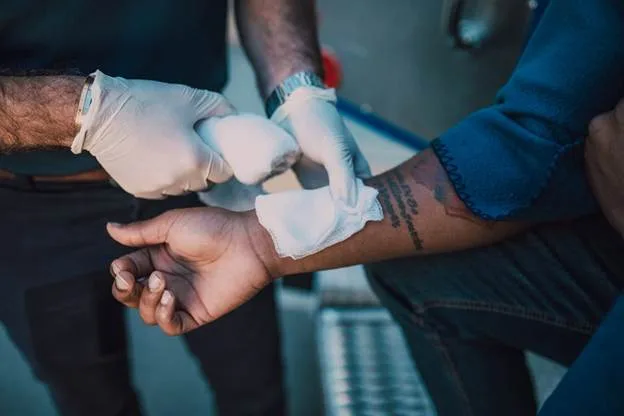
According to the American Burn Association’s 2024 data, approximately 486,000 Americans receive medical treatment for burn injuries annually — yet the vast majority of these cases involve minor first- and second-degree burns that can be effectively managed at home with proper aftercare. As emergency departments face increasing strain and healthcare costs continue rising, more people are turning to evidence-based home care for burns that don’t require immediate medical intervention.
The distinction between initial first aid and ongoing aftercare often determines whether a minor burn heals cleanly in one to two weeks or develops complications that require professional treatment. While most people understand the basics of cooling a fresh burn with water, the critical 7-14 day period that follows receives far less attention — despite being when infection, delayed healing, and scarring complications most commonly occur. Understanding how to properly manage this aftercare phase can prevent a straightforward injury from becoming a long-term problem.
How to Manage Minor Burn Injury Aftercare at Home
The transition from immediate first aid to ongoing care begins roughly 24 hours after the initial burn occurs. At this point, your focus shifts from cooling and pain relief to creating optimal conditions for tissue repair while monitoring for signs that home care isn’t sufficient.
Temperature and environment control becomes your primary tool. Keep the burn area at room temperature — neither too warm nor too cold. The damaged skin has lost much of its ability to regulate temperature, making it vulnerable to additional injury from heat sources like heating pads or cold applications like ice packs. Even hot showers can set back healing by several days.
Moisture management requires a delicate balance. Burns heal best in a moist environment, but excessive moisture invites bacterial growth. The goal is maintaining just enough humidity around the wound to prevent the formation of thick scabs, which can impede healing and increase scarring. This typically means keeping the burn lightly covered with appropriate dressings rather than leaving it completely exposed to air.
Consider someone who suffered a minor kitchen burn on their forearm — after the initial cooling, they’ll need to adjust their daily routine for the next two weeks. This might mean wearing loose, breathable sleeves instead of tight clothing, avoiding prolonged sun exposure, and being mindful of activities that could bump or scrape the healing area. The key insight many people miss is that minor burns remain vulnerable to seemingly innocuous contact for much longer than expected.
Activity modification during the first week often makes the difference between smooth healing and prolonged recovery. While you don’t need to completely immobilize the affected area, protecting it from friction, pressure, and contamination requires conscious planning around daily tasks.
Key Burn Wound Care Steps for Healing
Effective wound care for minor burns centers on maintaining cleanliness without disrupting the healing process. The techniques differ significantly from caring for cuts or scrapes because burned skin is more fragile and prone to secondary damage.
How to Clean a Minor Burn Wound Safely
Gentle cleansing should occur once daily using lukewarm water and mild, fragrance-free soap. Avoid antibacterial soaps, hydrogen peroxide, or alcohol-based products — these can actually slow healing by damaging newly formed tissue cells. The water temperature should feel neutral to slightly cool on unburned skin.
Use your clean hands or a soft, clean cloth to gently remove any loose debris or dried drainage. Never scrub or use washcloths with texture that could abrade the healing surface. The goal is removing potential contaminants while preserving the natural healing environment your body is creating.
Pat the area dry with a clean towel using gentle pressing motions rather than rubbing. Leaving the burn slightly damp before applying dressing helps maintain the optimal moisture level for healing. If you notice any unusual discharge, odor, or increased redness during cleaning, these may signal developing complications that require medical attention.
Timing matters significantly — clean the wound at the same time each day, preferably when you have adequate light to properly assess its appearance. Many people find evening cleaning works well because it allows them to apply fresh dressing before sleep, when the burn is less likely to encounter environmental contaminants.
The Role of Dressing Minor Burn Wounds Properly
Non-adherent dressings form the foundation of proper burn wound protection. These specialized materials allow drainage to pass through while preventing the dressing from sticking to healing tissue. Standard adhesive bandages often cause more harm than good by pulling away new skin cells when removed.
Layer your dressing system starting with a non-stick pad directly against the burn, followed by gauze or medical wrap to hold it in place. Avoid wrapping too tightly — circulation must remain unrestricted, and swelling during the healing process requires extra space. You should be able to slide a finger under the outer wrap comfortably.
Change dressings daily or whenever they become wet, soiled, or loose. The removal process requires patience — if the dressing seems stuck, moisten it with clean water rather than pulling it away forcefully. Fresh dressings should feel snug but not restrictive, and the wound should appear clean and pink (not red, white, or discolored) when exposed.
Specialized burn dressings containing hydrogel or silver can accelerate healing for some minor burns, though they’re not always necessary. Standard non-stick pads work effectively for most first-degree burns and shallow second-degree burns. The key is consistency in application and timely changes rather than using the most expensive products available.
Effective Pain and Infection Management in Burn Aftercare
Managing discomfort and preventing infection represent the two most critical aspects of burn aftercare that can make or break your recovery timeline.
Methods to Relieve Pain During Burn Healing
Over-the-counter pain relievers provide the most reliable relief for most minor burn pain. Ibuprofen offers both pain control and anti-inflammatory benefits, while acetaminophen works well for those who can’t tolerate NSAIDs. Follow package directions and avoid exceeding recommended doses, as your healing body needs to process medications efficiently.
Cool compresses applied over clean dressings can provide temporary relief during particularly uncomfortable periods. Use clean, damp cloths at room temperature rather than ice or frozen items. Apply for 10-15 minutes at a time, ensuring the compress doesn’t make the dressing overly wet.
Natural approaches like aloe vera gel (from the refrigerator, not room temperature) can soothe minor burns when applied lightly over clean skin before dressing changes. However, avoid home remedies like butter, oils, or egg whites, which can trap heat and introduce bacteria. The evidence strongly supports keeping treatment simple and focusing on proven methods rather than experimenting with folk remedies.
Recognizing and Responding to Signs of Burn Infection
Early infection warning signs often appear subtle before becoming serious. Watch for increased redness extending beyond the original burn area, warmth that seems disproportionate to the injury size, and any discharge that appears yellow, green, or has an unpleasant odor. These changes typically occur 3-5 days after the initial injury.
Systemic symptoms like fever, chills, or red streaking extending from the burn site indicate infection may be spreading and require immediate medical attention. Similarly, if pain increases significantly after the first 48 hours rather than gradually improving, this suggests complications beyond normal healing.
Wound appearance changes provide important clues about healing progress. Healthy minor burns typically show gradual color improvement from bright red to pink over the first week. Areas that remain white, appear blackened, or develop thick, yellowish crusting may need professional evaluation. Trust your instincts — if something looks or feels wrong, it’s worth having it checked.
Contact healthcare providers if you notice any combination of these warning signs, especially if you have diabetes, compromised immunity, or other conditions that affect healing. The cost and time investment of a precautionary visit far outweighs the potential consequences of untreated infection.
Common Mistakes to Avoid in Minor Burn Aftercare
Even well-intentioned care can inadvertently slow healing or create complications when based on outdated information or intuitive approaches that prove counterproductive.
Keeping burns completely dry represents one of the most persistent misconceptions. While excessive moisture invites infection, burns actually heal faster and with less scarring when maintained in a properly moist environment. The “let it air out” approach often leads to thick scab formation that impedes tissue repair and increases final scarring.
Over-cleaning wounds with harsh antiseptics like hydrogen peroxide or rubbing alcohol damages newly forming tissue cells. These products were commonly recommended in previous decades, but current evidence shows they delay healing significantly. Gentle cleansing with mild soap and water proves more effective for preventing infection while supporting recovery.
Applying inappropriate topical treatments remains surprisingly common. Products like petroleum jelly, butter, oils, or toothpaste can trap heat, provide breeding grounds for bacteria, or cause allergic reactions that complicate healing. When serious complications arise, individuals often need personal injury representation for burns — particularly when workplace safety failures or defective products contributed to the initial injury.
Ignoring activity modifications during the first week often extends recovery time unnecessarily. This includes returning to normal exercise routines too quickly, exposing healing burns to direct sunlight without protection, or failing to protect the area during sleep. Minor burns remain vulnerable to re-injury for much longer than most people anticipate.
Inconsistent dressing changes create an environment where bacteria can establish themselves before being cleared away. Some people change dressings too frequently (multiple times daily), disturbing healing tissue, while others leave the same dressing in place for several days, allowing contamination to accumulate. Daily changes with proper technique strike the right balance.
Factors That Influence Minor Burn Recovery Timeline
Understanding what affects healing speed helps set realistic expectations and optimize your care approach for faster, more complete recovery.
Burn depth and size fundamentally determine baseline healing time, even within the “minor burn” category. First-degree burns affecting only the outer skin layer typically heal within 3-7 days, while shallow second-degree burns involving deeper tissue layers require 1-3 weeks. Burns larger than a quarter or those on sensitive areas like hands, feet, or joints often need additional time regardless of depth.
Individual health factors play a substantial role in recovery speed. Age affects healing capacity, with children generally recovering faster than adults, and adults over 60 experiencing slower tissue repair. Underlying conditions like diabetes, poor circulation, or compromised immune function can extend healing time significantly and increase infection risk.
Hydration and nutrition support the cellular processes required for tissue repair. Your body needs adequate protein, vitamin C, and zinc to build new skin cells effectively. Staying well-hydrated helps maintain proper blood flow to healing tissues. Many people don’t realize that even minor burns create metabolic demands similar to other healing processes.
Environmental factors including air quality, humidity levels, and sun exposure influence recovery outcomes. Dry indoor air can slow healing, while excessive humidity may promote bacterial growth. Protecting healing burns from direct sunlight prevents hyperpigmentation that can persist long after the burn itself has healed.
The most critical insight for successful minor burn recovery is that patient consistency with evidence-based aftercare typically produces better outcomes than expensive treatments applied sporadically. Focus your energy on maintaining clean, appropriate dressings and monitoring for warning signs rather than searching for shortcuts to accelerate the natural healing timeline your body has evolved to follow.