Cash Discounting vs. Surcharging: A PayTrac Insider’s Guide to Slashing Credit Card Fees
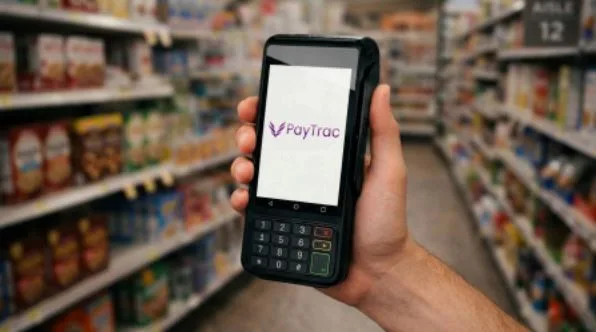
In 2024, U.S. merchants paid a record-breaking $187.20 billion in processing fees just to accept card payments, according to the Nilson Report.
For a small business owner, that number isn’t just a statistic. It’s a quiet crisis showing up on every monthly statement, representing new equipment you can’t afford, a marketing campaign you can’t launch, or growth you can’t fund.
This constant drain on revenue has many business owners looking for ways to reduce credit card fees, often comparing two popular strategies: cash discounting and surcharging.
It’s in this environment that a Tennessee-based payment partner, PayTrac, is earning the trust of its 10,000 customers by helping them navigate this exact challenge, acting less like a processor and more like a partner in their growth.
What’s the Main Difference Between Cash Discounting and Surcharging?
Picture an auto repair shop owner setting their prices. A brake replacement has a standard price of $500. With a surcharging program, the shop advertises that $500 price.
If a customer pays with a credit card, a small, clearly disclosed fee, like 3%, is added to the total, making it $515. The advertised price is the baseline, and using a credit card costs a little extra.
Now, let’s look at a cash discount program. In this case, the shop advertises the price at $515.
Customers who choose to pay with cash or a debit card get a $15 discount, bringing their total back down to $500. While the financial outcome for the business is the same, the legal requirements and how customers see it are completely different.
Surcharging adds a fee for the convenience of using a card, while cash discounting offers a reward for using a lower-cost payment method.
Getting this distinction right is crucial, which is why an experienced partner like PayTrac, with over eight years in the industry, is so valuable for maintaining credit card compliance.
Which Is Better for My Business: A Cash Discount or a Surcharge Program?
There isn’t a single “better” option. The right choice is a strategic one that depends on your location, industry, and customer base. The rules for credit card surcharging can change dramatically from one state to another.
As of early 2024, states like New York and New Jersey have passed new laws that specify exactly how surcharges must be handled, while other states maintain tight
restrictions. A surcharge program that’s simple in one state could create legal headaches in another.
Because of this complex legal map, PayTrac’s first step is always a thorough “Evaluation.” They look at a business’s unique situation to figure out the most compliant and effective approach.
For a busy healthcare provider, where patient trust is everything, a cash discount program can feel more like a positive reward. For an automotive shop dealing with large, infrequent transactions, a transparent surcharge might be more straightforward.
The best choice comes from expert guidance that balances both legal rules and customer psychology.
How Much Can My Business Really Save with a Cash Discount Program?
The biggest benefit is the ability to offset nearly 100% of your credit card processing fees. A Market Research Report for PayTrac found that the high cost of these fees is the most common payment-related challenge for small businesses. When those costs vanish from your monthly statement, the effect is immediate.
That 2-4% of revenue that was once lost to interchange rates and processor markups is now back in your hands. You can use it to hire a new technician, invest in diagnostic tools, or just strengthen your cash flow.
This is exactly what PayTrac means by its philosophy: “Powering Payments. Empowering Business.” The savings aren’t just about cutting an expense; they’re about reclaiming the capital you need to grow. As business owner Nathan Felix put it, partnering with PayTrac “transformed our bottom line, allowing us to reinvest in areas we couldn’t afford before.”
PayTrac’s Approach vs. Traditional Processing: A Clear Comparison
When businesses start looking at merchant account services, the differences between a modern partner and a traditional processor become clear. The decision goes beyond monthly fees, affecting your daily operations, legal compliance, and customer relationships.
- Fee Structure: Traditional processors often rely on confusing interchange-plus or tiered pricing that makes it hard to predict your costs. PayTrac’s cash discount and surcharge programs are built to deliver a clear result: helping you eliminate processing fees by passing the cost to customers who opt for the convenience of credit.
- Support Model: Many large processors route you through impersonal call centers. With over 10,000 satisfied customers, PayTrac has built its reputation on dedicated 24-hour client support, giving you a direct line to experts who know your business.
- Industry Specialization: Generic providers don’t have deep insight into specific industries. PayTrac concentrates on the distinct needs of sectors like automotive payment processing and healthcare payment solutions, so they understand their unique software integrations and transaction flows.
- Business Philosophy: The old model sees payment processing as a basic utility. PayTrac works as a growth partner, actively helping clients use payment technology to improve their financial health, and is backed by trusted industry names like Fiserv, TSYS, and Elavon.
Will Offering a Cash Discount Upset My Customers?
It’s a fair question that many business owners ask. Any pricing strategy’s success comes down to being transparent and communicating well. An unexpected fee that isn’t explained properly can definitely create friction. But a well-managed program is really about giving people a choice.
A Market Research Report for PayTrac revealed that 41% of consumers have avoided a store because it didn’t take their preferred payment method, which shows just how much customers value having options. When you clearly post prices for both cash and card payments, you let them decide what works best.
The solution is clear signage and a team that’s trained to explain the policy in a positive way. PayTrac’s 4.9/5 Trustpilot rating, built on its experience with thousands of businesses, shows that these programs can be introduced without a hitch.
As reviewer Eloise Juniper says, “The transition was seamless, and our customers appreciated the transparency.”
Who Should Choose PayTrac?
While PayTrac works with a wide variety of businesses, its partnership model is a particularly good fit for certain types of companies. You should consider PayTrac if you are:
- A business in a high-volume industry like healthcare or automotive, where even small percentage-based fees quickly become a major expense.
- A small or medium-sized business owner who is tired of watching confusing interchange fees eat into hard-earned revenue.
- A company, whether in Tennessee or anywhere in the U.S., looking for a payment processor for small business that provides stability, security, and a 100% Delivery Record.
- An organization that prefers direct, 24-hour access to an expert instead of getting lost in an automated phone system.
Key Takeaways
- Fees Are a Real Problem: Credit card processing fees are a large and growing cost for American businesses, cutting directly into profits and limiting what’s possible.
- Understand the Difference: Surcharging adds a fee for using a credit card, while cash discounting offers a lower price for those who pay with cash or debit. • Compliance Is Non-Negotiable: The rules for these programs change from state to state. Working with an expert like PayTrac is the best way to avoid legal and financial trouble.
- Savings Create Opportunity: A properly set up cash discount or surcharge program can wipe out your processing fees, freeing up cash to put back into your business.
- Transparency Builds Trust: How customers react depends entirely on clear, upfront communication. The goal is to frame the program as a choice, not a penalty.
- Find a Real Partner: Look past the transaction rates. Choose a payment processor that brings specialized knowledge, dedicated support, and a real interest in your company’s success.
Getting rid of credit card fees isn’t about finding a shortcut; it’s about making a smart, strategic decision.
By understanding how these programs work and teaming up with an experienced guide, businesses can transform one of their biggest expenses into a resource for growth.