First-Time Buyer’s Guide to Distressed Properties
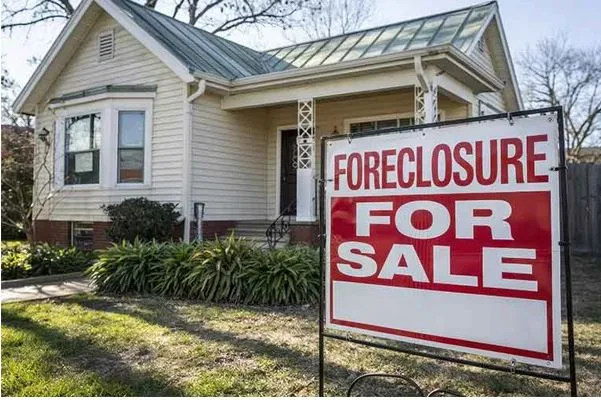
Buying a new property is always a source of both excitement and anxiety. You anticipate the benefits and the sense of newness, but you can’t help thinking about the risks you might face. If your plan is to buy a distressed property, then the stakes are even higher.
Finding a distressed property in the area of your interest is not a problem. You can access all kinds of listings on ForeclosureHub by filtering locations, features that matter to you, and insights that can help you make your decision. But while such homes are cheaper, they’re accompanied by multiple factors that can lead to a disaster in the long term.
Find out what distressed property is in the guide below. Check out what risks and opportunities await, and see the tips that will help you make a smart choice.
Distressed Property Definition
Before exploring the pros and cons of buying distressed property, you have to understand what you’re dealing with. A distressed property is a home that the owner can no longer afford, whether it’s because of the mortgage or taxes. Such homes are typically divided into four categories:
- Pre-foreclosures. At this stage, the home is still legally owned by the borrower, but they are seriously behind on payments and facing the risk of losing everything. As a buyer, you can negotiate with the owner directly before this property is sold publicly.
- These homes have already been taken by lenders after the original owners failed to make their payments. Typically, they are cheaper because lenders are anxious to recover the unpaid part of their loan.
- Short sales. In this scenario, the property owner sells their home with a lender’s approval despite failing to complete their financial obligations. They avoid foreclosure, while the lender gets to recover their money.
- Bank-owned properties. These properties have already gone through foreclosure, so the banks own them fully. You can find such listings on the open market, but they also come at a discount because banks want to sell them as quickly as possible.
Each type of these properties has its own nuances, but they all come with similar benefits and risks.
Pros and Cons of Distressed Properties for First-Time Buyers
Now, let’s see what pros and cons a first-time buyer of a distressed property should consider before deciding to proceed.
Benefits of Buying Distressed Properties
Here are the top reasons why buying distressed properties makes sense, both for people hoping to find a new home for themselves and investors interested in making a sale later.
- Cheaper prices. Distressed homes are always cheaper because their previous owners have already made partial payments. It means that you can buy a house even in higher-end areas at a much lower price.
- Investment opportunities. If you’re an investor, buying a confiscated property can be a great idea. You buy it for peanuts, spend some money on renovations, and then sell it at a higher rate, pocketing the significant difference.
- Bigger diversity. You can find distressed homes in a variety of markets and cities. They include apartments and suburban houses, small and big properties: the choice is endless.
Another relevant factor is that distressed properties tend to have less competition. When buying regular homes, you might have to fight multiple other people interested in the same option; distressed properties are often high in number, and competition is less intense.
Risks of Buying Distressed Properties
The benefits above might sound good enough to rush into making a purchase, but in reality, the risks are also inevitable. You need to understand them fully before spending your money on something that might turn out to be disappointing.
First of all, distressed properties mean that someone made a life there at some point. They often have structural issues, dubious furniture, outdated systems, old wallpaper, and so on. Renovating and repairing everything might cost a small fortune, and picking up where someone else left off might feel unsettling.
Second, even if you find a seemingly perfect property, it might come with lingering legal issues. Unpaid taxes or disputes over ownership can last for a long time, so you won’t be able to make a purchase by the time you want.
There are also serious inspection problems. Loaners are interested in making a sale right away; they don’t want to spend even more time on a failed property, so you can take it or leave it. If you take it, you’ll automatically accept all the limitations and problems that come with your new property.
Step-by-Step Guide for First-Time Buyers
If this is your first time buying a distressed property, you’ll need to rely on expert tips to avoid the risks. We compiled them in this list:
- Set a realistic budget. No matter how cheap a property might be, remember about repairs and maintenance costs. Taxes and utilities will also raise the price, so keep this fact in mind.
- Use reliable platforms for search. Choose experienced websites with extensive distressed property portfolios. The more filters, details, and insights they feature, the better.
- Negotiate carefully. In short sales in particular, you’ll need to talk to the lender and the seller both. Be patient and attentive; if you have any concerns, it’s better to hire an agent to help you close the deal.
- Think about long-term value. Even if you fall in love with a specific property, you need to think about its long-term value. Consider the neighborhood and the closeness to transport hubs, hospitals, schools, etc.
Choose locations that allow thorough inspections. Don’t fall for deals requiring you to pay for a property as it is; even if everything looks like a dream, it can carry heavy risks that you won’t be able to cope with.
Devise a Smart Strategy Before Making a Purchase
Now that you know the benefits and the risks of buying distressed properties, you have everything you need to start devising your purchase strategy. Plan carefully; include the cost of repairs in your budget.
Use only credible, extensive websites for property searches, and always insist on inspections. This will help you avoid most pitfalls, and you’ll end up with a property that has actual value.