Why Stainless Steel Litter Boxes Outperform Plastic Ones
If you’ve ever stepped on a stray piece of litter at 2 a.m. or caught a whiff of something unpleasant the moment you walk into a room, you already know the struggle. Cat litter boxes are a non-negotiable part of life with cats, but the box itself is often an afterthought — until it becomes a problem. For owners of larger breeds like Maine Coons or households with multiple cats, that problem tends to arrive sooner rather than later.
Plastic litter boxes dominate pet store shelves, yet they come with a set of persistent flaws: they scratch easily, trap odors deep within the material, and degrade faster than most owners expect. The result is a cycle of replacing boxes every year or two while never quite solving the underlying hygiene issues.
Stainless steel litter boxes offer a fundamentally different approach — one built around durability, cleanliness, and long-term value. This article compares both materials head-to-head, examines what pet parents with large or multiple cats actually need, and explains why stainless steel consistently outperforms plastic in every category that matters.
The Limitations of Plastic Cat Litter Boxes
Plastic seems like a sensible material for a litter box — it’s lightweight, inexpensive, and widely available. But spend a year or two with one, and the cracks in that logic become literal. Cat claws are surprisingly effective at scratching plastic surfaces, and every groove they leave behind becomes a harbor for bacteria. Once those microscopic scratches accumulate, no amount of scrubbing fully removes the odor-causing microbes embedded within them.
The core problem is porosity. Plastic is not a truly sealed material, and urine compounds — particularly ammonia — penetrate the surface over time. This is why a plastic box can smell unpleasant even minutes after cleaning. For households with a single small cat, this degradation happens gradually. But introduce a large breed like a Maine Coon or a Ragdoll, or add a second or third cat to the mix, and the wear accelerates dramatically. More digging, more waste volume, and more frequent use mean the box reaches its functional limit within months rather than years.
Staining compounds this issue. Certain litter types and waste products leave discoloration that becomes permanent once plastic absorbs them. Beyond aesthetics, these stains signal bacterial colonization that cleaning products struggle to reverse. Owners often respond by scrubbing harder, which ironically creates more surface scratches and worsens the problem. The inevitable outcome is replacement — a cycle that costs money, generates plastic waste, and never fully solves the hygiene issue at its root.
Why Stainless Steel is the Superior Choice for Cat Litter Boxes
A cat litter box stainless steel operates on a completely different set of physical properties than plastic — and those differences translate directly into better outcomes for cats and their owners. The most significant advantage is surface integrity. Stainless steel resists scratching even under the persistent digging of large breeds, meaning the surface remains smooth and sealed over years of daily use. No grooves, no crevices, no places for bacteria to establish themselves.
That non-porous surface is what makes stainless steel genuinely hygienic rather than just superficially clean. Urine compounds, including ammonia, cannot penetrate the material the way they do with plastic. Odors are contained at the surface rather than absorbed into the box itself, which means a quick wipe-down or rinse actually works. For households managing multiple cats or a particularly large breed, this distinction matters enormously — the box smells clean because it is clean, not because it was recently masked with a scented cleaner.
Maintenance is correspondingly straightforward. Stainless steel tolerates hot water, enzymatic cleaners, and even diluted bleach without degrading, warping, or discoloring. Plastic boxes require gentle handling to avoid worsening surface damage; stainless steel simply doesn’t share that vulnerability. A thorough wash takes minutes and leaves the surface in the same condition it started in.
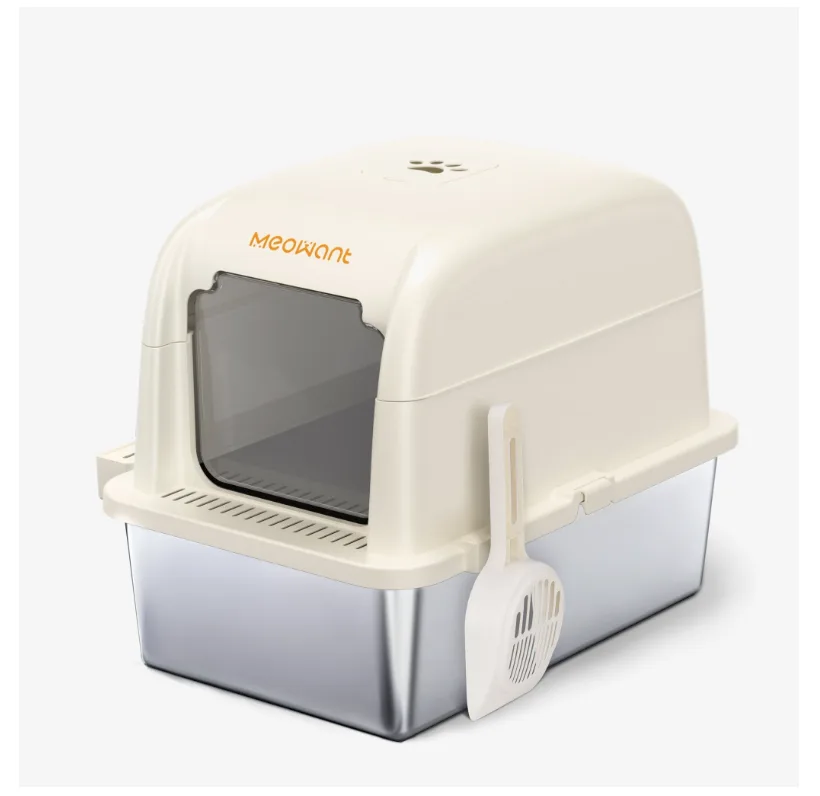
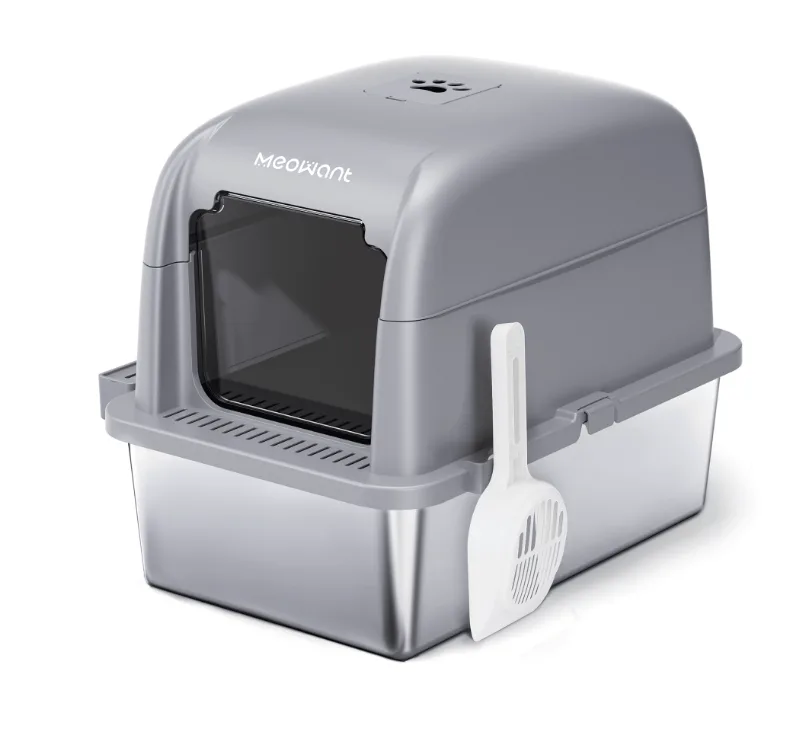
Longevity is another compelling argument. A quality stainless steel cat litter box — such as those offered by Meowant, which specializes in durable pet products designed for heavy daily use — can last a decade or more with basic care, compared to the one-to-two-year functional lifespan of most plastic alternatives. Over time, this makes stainless steel the more economical choice despite its higher upfront cost. It also generates significantly less waste — one durable box replacing five or six disposable plastic ones represents a meaningful reduction in household plastic consumption. For owners who want a permanent solution rather than a recurring problem, stainless steel delivers exactly that.
Addressing the Needs of Pet Parents with Large or Multiple Cats
Owning a Maine Coon, a Ragdoll, or simply two or three cats of any size changes the litter box equation entirely. Standard boxes designed for average-sized cats become inadequate quickly — they’re too small for comfortable use, too shallow to contain enthusiastic digging, and too fragile to handle the volume of daily traffic. The result is litter scattered across the floor, odors that build faster than expected, and cats that begin avoiding the box altogether. Choosing the right stainless steel litter box means thinking through four specific factors: size, design, spill containment, and the transition process itself.
Opting for a Large Cat Litter Box
For larger breeds or households with multiple cats, box dimensions directly affect whether cats will use it consistently. A large cat litter box should be long enough for the cat to turn around fully and deep enough to allow natural digging without flinging litter over the sides. As a practical benchmark, the box should be at least one and a half times the length of your largest cat. Stainless steel large litter boxes hold their shape and structural integrity over years of heavy use, unlike plastic equivalents that warp or crack under the same conditions.
Benefits of a High-Sided or Enclosed Design
A high-sided litter box addresses one of the most common complaints among multi-cat households: litter ending up everywhere except inside the box. Tall walls — typically four to six inches — contain the scatter from vigorous diggers without restricting entry for most cats. For owners who want additional odor control and privacy for their cats, an enclosed cat litter box adds a roof and entry point that further limits both mess and smell. Stainless steel enclosed designs are particularly effective because the material doesn’t absorb odors the way plastic-walled enclosures do.
Ensuring a Spill-Proof Experience
A spill-proof cat litter box combines raised edges with a stable, weighted base that won’t shift when a cat enters or exits. Placing a litter-catching mat directly outside the entry point traps tracked particles before they reach the floor. Position the box away from high-traffic areas to reduce accidental bumps, and on hard flooring rather than carpet to make cleanup faster. Stainless steel’s heavier construction naturally resists tipping, giving it a functional advantage over lightweight plastic alternatives that slide or tip during use.
Step-by-Step Solution for Transitioning to Stainless Steel
Switching materials works best as a gradual process. Start by assessing your cats’ sizes and how many share the box — this determines the dimensions you need. Next, select a stainless steel model with the appropriate size and wall height for your household. Place the new box beside the existing plastic one for one to two weeks, allowing cats to investigate and begin using it voluntarily. Once they’ve adopted it, remove the plastic box. Finally, establish a cleaning routine — a daily scoop and a weekly hot-water wash keeps a stainless steel box in consistently hygienic condition.
How to Select and Maintain Your Stainless Steel Litter Box
Choosing the right stainless steel litter box starts with matching the box to your specific household. Size comes first — if you have a large breed cat or more than one cat sharing a box, prioritize a model with generous floor space and walls at least five inches tall. A box that feels spacious encourages consistent use and reduces the likelihood of cats eliminating just outside the edges. For households where odor control is a priority, an enclosed stainless steel design with a removable lid offers additional containment without sacrificing the material’s core hygiene advantages.
Design details matter beyond dimensions. Look for smooth, rolled edges that won’t snag or injure paws during entry and exit. A flat, stable base prevents rocking on hard floors, which can startle cats and discourage use. Some stainless steel models, including options from Meowant, include a removable inner tray that simplifies deep cleaning — a worthwhile feature for multi-cat households where the box sees heavy daily traffic. Avoid designs with unnecessary seams or joints where waste could collect.
Maintenance is where stainless steel earns its reputation. Scoop waste at least once daily to keep the box inviting for your cats. For the weekly deep clean, rinse the box with hot water first to loosen debris, then wash with a mild dish soap or an enzymatic cleaner formulated for pet waste. Both are safe for stainless steel and effective against odor-causing compounds. Rinse thoroughly and dry before refilling with litter — residual moisture can cause litter to clump prematurely against the walls.
If discoloration appears over time, a paste of baking soda and water applied briefly before rinsing restores the surface without scratching it. Avoid steel wool or abrasive scrubbers, which can compromise the protective oxide layer that gives stainless steel its corrosion resistance. With this simple routine, a quality stainless steel litter box maintains its performance and appearance for years without requiring replacement.
Making the Switch: Why Stainless Steel Is Worth It
The case against plastic litter boxes isn’t just about preference — it’s about physics. Porous surfaces absorb odors, scratches harbor bacteria, and degradation is inevitable. For households with large breeds or multiple cats, these problems compound quickly, turning a basic hygiene tool into a recurring source of frustration and expense.
Stainless steel removes those variables entirely. Its non-porous, scratch-resistant surface stays genuinely clean rather than just appearing clean. It handles aggressive diggers, heavy daily use, and thorough washing without warping, staining, or breaking down. A high-sided or enclosed stainless steel design adds spill containment and odor control that plastic simply cannot match — and it does so for years, not months.
For pet parents who are tired of replacing boxes, battling persistent odors, or finding litter tracked across the house, the switch to stainless steel is one of the most practical upgrades available. Assess your cats’ sizes, choose a model with the right dimensions and wall height, and introduce it gradually alongside the existing box. Within a few weeks, the difference in cleanliness and ease of maintenance will be obvious. Make the switch once, and you won’t need to make it again.