Fire Watch Services and Their Growing Importance in Modern Cities
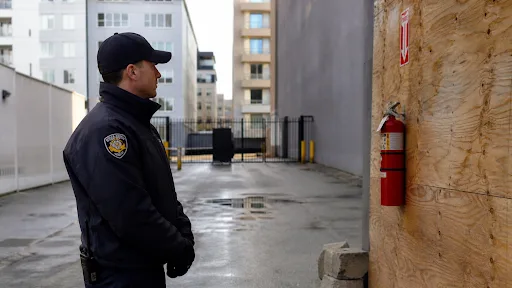
Cities Are Getting Smarter But Also More Vulnerable
Walk through any modern city today and you’ll notice how much has changed. Buildings are taller, systems are more advanced, and operations run almost entirely on automation. From high-rise offices to mixed-use developments, everything depends on interconnected electrical, mechanical, and digital systems.
But there’s a side effect to this progress.
The more complex a system becomes, the more critical its failure becomes.
A single fire alarm outage in a high-rise, a temporary sprinkler shutdown in a shopping complex, or electrical work inside a hospital can instantly create a safety gap. For businesses dealing with system repairs, Fire Watch Services Near Me offer reliable short-term protection. In older cities, risks were simpler. In modern cities, they are layered, interconnected, and often harder to detect early.
This is why fire watch services are no longer just a temporary measure they are becoming a core part of urban safety planning.
What Fire Watch Means in a Modern Urban Environment
At its core, fire watch is a structured safety practice where trained personnel monitor a property when fire detection or suppression systems are impaired or when risks are elevated.
But in modern cities, its role is evolving.
Fire watch is no longer just about covering system downtime. It is about ensuring continuous human oversight in environments where automation alone cannot guarantee safety.
In practical terms, fire watch involves:
- Continuous patrols across complex building layouts, including basements, service areas, and high-traffic zones
- Identifying early-stage risks such as overheating equipment, electrical faults, or smoldering materials that may not immediately trigger automated systems
- Maintaining real-time awareness of changing conditions, especially in buildings with multiple tenants or ongoing maintenance work
This type of fire risk monitoring becomes essential in cities where buildings operate around the clock.
Why Modern Cities Are Increasingly Dependent on Fire Watch
Urban environments have introduced new factors that make fire watch more relevant than ever.
1. Increased System Dependency
Modern buildings rely heavily on fire alarms, sprinklers, HVAC systems, and electrical networks. When one system goes offline, the impact is immediate.
- A disabled alarm system removes early detection capability
- A sprinkler shutdown removes suppression control
- Combined failures create a complete safety gap
2. Continuous Construction and Renovation
Cities are constantly evolving. Even occupied buildings undergo upgrades and structural changes.
- Temporary wiring and exposed systems increase ignition risk
- Fire protection systems may be partially disabled during work
- Construction activity introduces unpredictable hazards
3. Higher Occupancy Density
Urban buildings house more people than ever before.
- Delayed detection affects larger populations
- Evacuation becomes more complex
- Response time becomes more critical
4. Aging Infrastructure in Growing Cities
While cities modernize, older systems remain in use.
- Older buildings are more prone to system failures
- Maintenance outages are more frequent
- Fire watch becomes essential during these periods
These factors explain why fire watch requirements are being enforced more strictly in urban environments.
Where Fire Watch Is Most Common in Cities
Fire watch is not limited to one type of property. In modern cities, it is used across multiple sectors.
High-Rise Commercial Buildings
When fire alarm systems are offline, even briefly, emergency fire watch ensures continuous monitoring across multiple floors and complex layouts.
Hospitals and Healthcare Facilities
Critical environments where evacuation is difficult require constant oversight during system downtime or upgrades.
Shopping Malls and Mixed-Use Developments
High foot traffic and interconnected spaces increase the importance of early detection.
Construction Sites Within Active Cities
Urban construction often takes place alongside active businesses, increasing the need for continuous monitoring.
Warehouses and Distribution Centers
Urban logistics hubs operate 24/7, with high electrical loads and combustible materials.
In each of these environments, fire watch adapts to the specific risks present.
What Fire Watch Guards Actually Do in Complex Urban Settings
The responsibilities of fire watch personnel are increasingly demanding in modern cities due to the complexity of buildings and the scale of operations.
Their role includes:
- Conducting structured patrols across multiple levels and zones, ensuring that no area whether a service corridor, parking level, or rooftop is left unchecked
- Monitoring high-risk areas such as electrical rooms, HVAC systems, and storage spaces, where issues are more likely to develop unnoticed
- Identifying subtle warning signs early, including unusual heat, faint odors, or minor equipment irregularities that could indicate a developing hazard
- Maintaining detailed logs for compliance purposes, documenting every patrol and observation to meet regulatory standards
In critical situations, they also:
- Initiate evacuation procedures in coordination with building management
- Use fire extinguishers when safe and trained to do so
- Communicate directly with emergency responders, ensuring faster and more accurate response
In a city environment, their awareness must extend beyond individual rooms to entire systems and interactions within the building.
Compliance Is Driving the Growth of Fire Watch
One of the biggest reasons for the increasing importance of fire watch in cities is regulatory enforcement.
Key regulatory bodies include:
- OSHA (Occupational Safety and Health Administration), which requires businesses to manage risks during high-risk operations and system outages
- NFPA (National Fire Protection Association), which provides guidelines for maintaining safety when fire protection systems are impaired
- Local fire marshals, who enforce fire watch requirements based on building conditions, occupancy levels, and ongoing activities
Failure to maintain fire safety compliance can result in:
- Fines and legal penalties
- Temporary closure of businesses
- Delays in construction or occupancy approvals
- Increased liability in case of fire incidents
In urban areas, enforcement tends to be stricter due to the higher potential impact of incidents.
A Real-World Scenario in a Modern City
Consider a multi-story office building undergoing electrical upgrades overnight. The fire alarm system is temporarily offline. The building is partially occupied by night-shift workers.
During a routine patrol, a fire watch guard notices:
- A faint smell of burning near a server room
- Slight heat buildup in a cable tray
The issue is identified and addressed before ignition occurs.
In a high-density urban building, this early detection prevents not only property damage but also disruption to multiple businesses operating within the same structure.
What Happens Without Fire Watch in Urban Environments
The absence of fire watch in modern cities creates a significant risk multiplier.
Potential consequences include:
- Delayed detection in large, complex buildings
- Faster spread of fire due to interconnected systems
- Difficulty in evacuation due to high occupancy
- Greater economic impact due to business disruption
In urban environments, a single incident can affect multiple tenants, operations, and even surrounding properties.
Choosing Fire Watch Services for Urban Properties
Selecting the right fire watch approach in a city environment requires careful consideration.
Key factors include:
- Experience with complex buildings, ensuring guards understand multi-level layouts and interconnected systems
- Strong communication protocols, allowing quick coordination with emergency services and building management
- Structured patrol systems, ensuring consistent coverage across large properties
- Adaptability to changing conditions, especially in buildings undergoing maintenance or construction
Urban environments demand a higher level of execution, not just presence.
Why Fire Watch Will Continue to Grow in Importance
As cities expand and technology advances, the role of fire watch will only become more critical.
- Buildings will become more complex
- System dependencies will increase
- Maintenance and upgrades will be more frequent
- Risks will become less visible but more impactful
Fire watch provides a human layer of protection that adapts to these changes.
Final Thoughts: A Necessary Layer in a Complex Urban World
Fire watch services are no longer just a temporary solution for system outages they are an essential part of safety in modern cities. As buildings become more advanced and interconnected, the risks associated with system failures and high-density environments continue to grow. Fire watch fills the gap between automated systems and real-world conditions, providing continuous monitoring, early hazard detection, and immediate response. For businesses and property owners, understanding this evolving role is critical. In a city where everything operates at scale and speed, ensuring that safety is never interrupted requires more than technology it requires constant awareness.