The Importance of Mobile IP in the AI Era
The rapid rise of artificial intelligence has reshaped how businesses collect data, make decisions, and interact with users. From predictive analytics to automated customer service, AI systems depend heavily on data—large volumes of it, gathered from diverse and reliable sources. However, as the demand for data increases, so do the challenges surrounding access, privacy, and authenticity. This is where mobile IP technology steps into the spotlight.
Mobile IPs, often delivered through real mobile devices connected to cellular networks, are becoming increasingly valuable in the AI era. They provide a more natural, human-like presence on the internet, which is critical for many AI-driven applications. As platforms grow more sophisticated in detecting bots and suspicious activity, mobile IPs offer a solution that balances efficiency with legitimacy.
What Is a Mobile IP?
A mobile IP address is assigned by a mobile carrier, such as those used by smartphones and tablets connected via 3G, 4G, or 5G networks. Unlike traditional residential or datacenter IPs, mobile IPs are shared among many users and rotate frequently. This dynamic nature makes them harder to detect and block, which is a major advantage for AI systems that rely on uninterrupted data access.
For AI tools that perform web scraping, data mining, or automated testing, mobile IPs help simulate real-user behavior. This ensures that the data being collected is accurate and reflective of genuine user interactions, which ultimately leads to better AI performance.
Why AI Systems Depend on Reliable Data Access
AI models are only as good as the data they are trained on. Whether it’s a recommendation engine, a chatbot, or a fraud detection system, consistent and high-quality data is essential. However, many websites implement strict security measures to prevent automated access, including IP blocking, CAPTCHA challenges, and behavioral analysis.
Using standard datacenter IPs often triggers these defenses, limiting access and skewing data results. Mobile IPs, on the other hand, are less likely to be flagged because they mimic real users browsing from mobile devices. This allows AI systems to gather data more effectively and maintain accuracy in their outputs.
Enhancing Web Scraping and Data Collection
Web scraping remains one of the most common ways AI systems collect data. From tracking market trends to monitoring competitor pricing, scraping enables businesses to stay informed and agile. However, without the right infrastructure, scraping can quickly become inefficient or even impossible.
Mobile IPs provide a solution by enabling large-scale data collection without frequent interruptions. Their rotating nature reduces the risk of bans, while their authenticity ensures access to content that might otherwise be restricted. This is particularly useful for scraping platforms that serve different content based on user location or device type.
For businesses leveraging AI, integrating mobile proxies into their data collection strategy can significantly improve success rates. These proxies route requests through real mobile devices, making them appear as legitimate users and bypassing many common restrictions.
Supporting AI in Ad Verification and Market Research
Another critical application of AI is in digital advertising and market research. Companies use AI to analyze ad placements, verify impressions, and detect fraudulent activity. However, accessing accurate ad data requires viewing content as a real user would.
Mobile IPs allow AI systems to simulate genuine user environments, ensuring that ads are displayed as intended. This is especially important in mobile-first markets, where user behavior differs significantly from desktop browsing. By using mobile IPs, businesses can validate their campaigns more effectively and make data-driven decisions with confidence.
Improving Automation Without Compromising Trust
Automation is at the heart of AI, but it often comes with a trade-off: the risk of being detected and blocked. Many platforms are designed to identify automated behavior, which can disrupt workflows and limit scalability.
Mobile IPs help bridge this gap by enabling automation that feels natural. Whether it’s managing multiple accounts, testing applications, or gathering insights, mobile IPs provide a layer of trust that traditional IPs cannot match. This allows businesses to scale their AI operations without constantly worrying about access issues.
The Role of Mobile IPs in Privacy and Security
In addition to improving data access, mobile IPs also play a role in enhancing privacy. By masking the original IP address and routing traffic through mobile networks, they add an extra layer of anonymity. This is particularly important for businesses handling sensitive data or operating in competitive industries.
AI systems often process large amounts of user information, making security a top priority. Mobile IPs help protect this data by reducing exposure and minimizing the risk of tracking or interception. This aligns with the growing emphasis on ethical AI and responsible data usage.
Challenges and Considerations
While mobile IPs offer numerous benefits, they are not without challenges. Cost can be a factor, as mobile IP solutions are generally more expensive than traditional proxies. Additionally, performance may vary depending on network conditions and provider quality.
It’s also important to use mobile IPs responsibly. Misuse can lead to ethical concerns or violations of platform policies. Businesses should ensure that their AI practices comply with legal and ethical standards, maintaining transparency and accountability.
Looking Ahead: Mobile IPs and the Future of AI
As AI continues to evolve, the need for reliable, authentic data access will only grow. Mobile IPs are well-positioned to meet this demand, offering a practical solution to many of the challenges faced by AI-driven systems. Their ability to mimic real-user behavior, bypass restrictions, and enhance privacy makes them a valuable asset in the modern digital landscape.
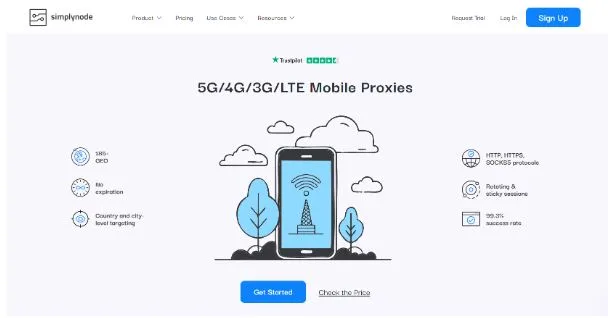
For organizations looking to stay competitive, investing in the right infrastructure is key. Platforms like https://www.simplynode.io provide access to advanced proxy solutions that support AI applications across various industries. By leveraging these tools, businesses can unlock new opportunities, improve efficiency, and ensure their AI systems operate at peak performance.
Conclusion
The importance of mobile IPs in the AI era cannot be overstated. They enable smarter data collection, enhance automation, and support a wide range of applications from market research to ad verification. As digital environments become more complex, the need for authentic and reliable access will continue to rise.
By integrating mobile IP solutions into their workflows, businesses can overcome common barriers and fully harness the power of AI. In a world driven by data, having the right tools makes all the difference—and mobile IPs are quickly becoming one of the most essential components in the AI toolkit.