When do I need Periodontal Treatment for gum disease?
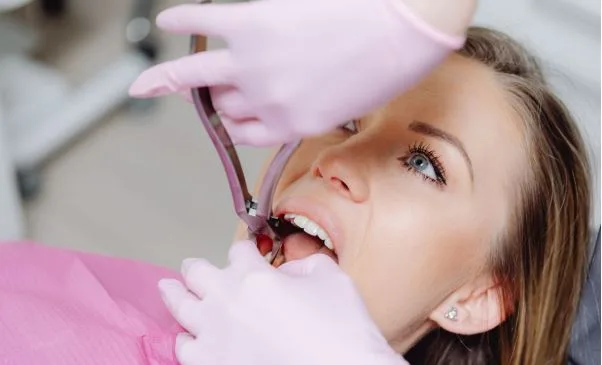
Periodontal treatment is necessary when gum disease progresses beyond gingivitis into periodontitis. At Great Expressions Dental Centers, we use specialized procedures like deep cleanings to remove bacteria from deep pockets, stopping bone loss and saving your natural teeth before the infection impacts your overall health.
Periodontal Treatment at Great Expressions Dental Centers
Have you ever noticed a little bit of pink in the sink when you brush your teeth? Or maybe your gums feel a bit swollen and tender after a long day? While it is easy to assume you just brushed too hard, these small signs are often your body’s way of sounding an alarm. Your gums are the literal foundation of your smile. Just as a house cannot stand on a crumbling foundation, your teeth cannot remain healthy and stable if the tissues supporting them are under attack. Seeking professional Periodontal Treatment is the most effective way to stop infection in its tracks and protect your smile for years to come.
At Great Expressions Dental Centers, we believe that understanding your oral health is the first step toward a lifetime of confident smiles. You are not alone in this journey. In fact, according to the Centers for Disease Control (CDC), nearly half of all adults in the U.S. have some form of gum disease. Getting the right care early can make all the difference in preventing tooth loss and keeping your body healthy.
What is Periodontal Disease?
Periodontal disease is the medical term for gum disease. It is a persistent infection that targets the gums and the bone that holds your teeth in place. It all starts with something we deal with every day: plaque. Plaque is a sticky, invisible film of bacteria that constantly forms on your teeth. When you brush and floss regularly, you remove most of this film. However, if plaque is left alone for even a day or two, it begins to harden into a substance called tartar, or calculus.
Once tartar forms, it acts like a magnet for more bacteria. It is so hard that a regular toothbrush cannot remove it; only a dental professional with specialized tools can get your teeth clean again. As these bacteria sit against your gum line, they release toxins that irritate the tissue. This irritation leads to inflammation, which is your body’s attempt to fight the infection. This specialized care is designed to remove deep-seated bacteria and help your gums heal and reattach to your teeth.
The Science of the “Pocket”
To understand gum disease, you have to understand the “pocket.” In a healthy mouth, your gums fit snugly around each tooth like a tight turtleneck sweater. When bacteria irritate the gums, the tissue begins to swell and pull away from the tooth. This creates a space or a “pocket.” As the disease gets worse, these pockets get deeper, providing even more room for bacteria to hide where your toothbrush and floss can’t reach.
During a checkup, your dentist or periodontist will use a tiny ruler to measure these pockets. Numbers between 1 and 3 millimeters are considered healthy. If your numbers are 4 or higher, it’s a sign that the infection has started to create a home for itself, and it is likely time to discuss treatment options.
Gum Disease Stages Explained
Gum disease is a progressive condition, meaning it gets worse over time if it isn’t treated. We categorize the disease into four main stages to help determine the best level of care for you.
1. Gingivitis
Gingivitis is the earliest and mildest form of gum disease. At this stage, you might notice that your gums are red, puffy, or bleed easily when you floss. The most important thing to know about gingivitis is that it is fully reversible. Because the infection hasn’t yet reached the bone, a professional cleaning combined with better brushing habits at home can usually return your mouth to perfect health.
2. Slight Periodontitis
If gingivitis is ignored, it turns into periodontitis. At this “slight” stage, the infection has finally reached the bone and begun to destroy the support system of your teeth. The pockets around your teeth become deeper. At this point, the disease is no longer reversible, but it is highly manageable. This is often when a dentist will first recommend specialized Periodontal Treatment to stop the bone loss before it gets worse.
3. Moderate Periodontitis
In the moderate stage, the pockets deepen further, allowing even more aggressive bacteria to thrive. You might notice your gums starting to recede, which makes your teeth look longer. You may also experience some discomfort or a persistent bad taste in your mouth. Because the infection is deeper, it can now start to affect your immune system and overall health.
4. Advanced Periodontitis
This is the most severe stage of the disease. The infection has destroyed a significant amount of the bone and fibers that hold your teeth in place. Your teeth may feel loose, shift when you eat, or even fall out. You may also experience painful sores or pus between your teeth. At this stage, intensive care such as surgery or bone grafting is often necessary to save the teeth and restore oral function.
When Is It Time to See a Periodontist?
While your general dentist is excellent at maintaining your overall oral health, a periodontist is a specialist who has completed years of additional training beyond dental school. They focus exclusively on the gums and the bone. You should consider seeing a specialist at Great Expressions Dental Centers if you notice:
- Receding Gums: Your teeth look longer, or you can see the roots of your teeth.
- Loose Teeth: Any “wiggle” in an adult tooth is an emergency that needs a professional eye.
- Chronic Bad Breath: This is often caused by bacteria living deep in gum pockets that mints cannot reach.
- A Change in Your Bite: Your teeth feel like they don’t fit together the way they used to, which may signal bone loss.
The American Dental Association (ADA) reminds us that early intervention is the best way to avoid tooth loss. Don’t wait for pain to be your guide; gum disease is often painless until it reaches the final stages.
Deep Cleaning: The Gold Standard of Treatment
For many patients, the first and most important step in Periodontal Treatment is a procedure called scaling and root planing, often referred to as a deep cleaning. This is much more detailed than the standard cleaning you receive every six months.
- Scaling: The dental professional uses special instruments to remove plaque and tartar from above and below the gum line, all the way to the bottom of the pocket.
- Root Planing: The professional then smooths out the roots of the teeth. Bacteria love to cling to rough surfaces; by smoothing the roots, we make it harder for bacteria to stick and easier for the gums to “hug” the tooth again.
This procedure is typically done with a local numbing agent so that you feel no discomfort. After a deep cleaning, many patients notice that their gums feel tighter, less tender, and stop bleeding almost immediately. It provides your mouth with a “clean slate” to begin the healing process.
The Mouth-Body Connection
Taking care of your gums isn’t just about your smile; it’s about your entire body. Your gums are full of tiny blood vessels. When you have a chronic infection in your mouth, bacteria can enter your bloodstream and travel to other organs. Research compiled by the Mayo Clinic has shown that untreated gum disease may be linked to several serious health conditions:
- Heart Disease: Inflammation in the mouth can lead to inflammation in the heart’s arteries, increasing the risk of stroke or heart attack.
- Diabetes: Gum disease can make it harder for patients to control their blood sugar. Conversely, high blood sugar makes it easier for infections to grow in the mouth.
- Respiratory Issues: Bacteria from the mouth can be inhaled into the lungs, potentially causing infections like pneumonia.
By prioritizing your health, you are making a choice that benefits your heart, your lungs, and your overall quality of life. Healthy gums are a key component of a healthy body.
Comfort and Anxiety Management
We know that the thought of a “deep cleaning” or dental surgery can be stressful for some. At Great Expressions Dental Centers, we prioritize your comfort. From the moment you walk in, our team is focused on providing a calm, judgment-free environment. We use modern numbing techniques to ensure your treatment is painless, and we are always happy to explain each step of the process so you know exactly what to expect. Managing gum disease shouldn’t be scary—it should be a path to feeling better.
Key Takeaways
- Bleeding is a signal: Healthy gums do not bleed. If they do, it’s time for a professional checkup.
- Gingivitis is reversible: Catching the disease in the early stages saves you time, money, and stress.
- Specialists have the tools: A periodontist can treat deep infections that regular toothbrushes cannot reach.
- Oral health is total health: Managing gum disease reduces inflammation throughout your entire body.
FAQ
- How long does periodontal treatment take? The initial deep cleaning is usually done in one or two appointments, often focusing on one side of the mouth at a time. After that, we typically see patients every three to four months for “maintenance” cleanings to ensure the bacteria do not return.
- Is the treatment painful? At Great Expressions Dental Centers, your comfort is our priority. We use numbing agents during deep cleanings, so the procedure itself is painless. You might have some mild sensitivity to cold for a day or two afterward, but this is temporary and easily managed.
- Can I just brush harder to fix my gums? Actually, brushing too hard can cause your gums to recede further. Once tartar has formed and pockets have developed, professional intervention is the only way to remove the infection. You cannot “scrub away” an infection that is deep under the gum line.
- Will my insurance cover it? Most dental insurance plans cover Periodontal Treatment because it is considered a necessary medical procedure to prevent tooth loss. Our office team can help you understand your specific benefits and plan for your care.
Your Path to a Healthier Smile
Ignoring gum pain or bleeding won’t make the problem go away, but taking action today will. At Great Expressions Dental Centers, we provide a reassuring environment where we focus on your comfort and your health. Whether you are in the early stages of gingivitis or need more advanced care, our team is ready to help you reclaim your smile and your health.
Call now to schedule an appointment
Don’t wait for your symptoms to get worse. If you have noticed any of the signs of gum disease, the best time to act is now. Contact Great Expressions Dental Centers today to speak with our experts about Periodontal Treatment and take the first step toward a healthier future.