How to Get Your Inherited Antiques Appraised Without Paying $300 an Hour
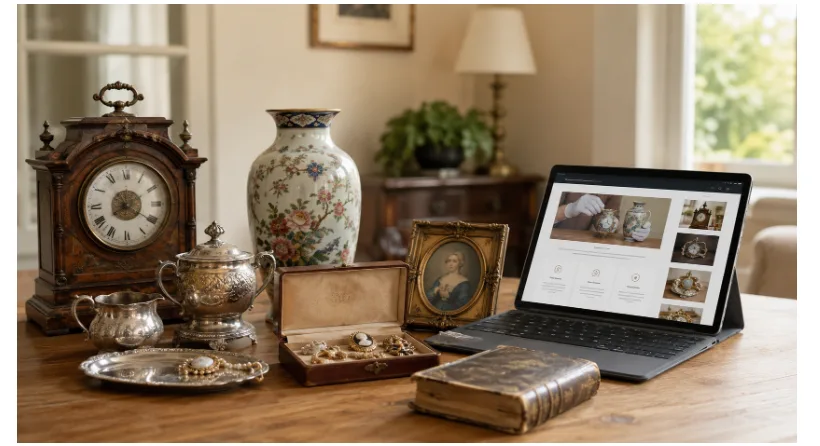
Inheriting antiques can feel exciting, then confusing. A carved chair, a jewelry box, a porcelain vase, or a set of silver spoons may carry family memories, but it can also raise a practical question: how much is my antique worth? Many people assume the only answer is to hire an appraiser by the hour, often at a rate that feels hard to justify when you are not even sure the item has market value.
The good news is that you can begin wisely without spending much. With careful research, clear photos, a free antique appraisal online, and reliable comparisons, you can decide which pieces deserve professional attention and which ones can be kept, sold, donated, or passed along without costly guesswork.
Start by Separating Memory from Market Value
Before searching prices, decide what you are trying to learn. Sentimental value is personal. Market value is what a willing buyer might pay today. Insurance value is different because it often reflects replacement cost rather than resale price.
Family stories are useful, but they are not proof. A lamp may be called “Victorian” because it looks old. A painting may be described as valuable because it belonged to a grandparent. Those details matter emotionally, but value depends on age, maker, rarity, condition, and demand.
Create three simple categories:
- Items you may keep for personal reasons
- Items you may sell if they have meaningful value
- Items needed for probate, insurance, or family division
Document Every Item Before Asking for Opinions
A useful valuation begins with clear information. Whether you contact a specialist, use an online antique valuation service, or ask an auction house, poor photos and vague descriptions usually lead to weak answers.
For each item, record:
- Measurements, materials, and weight when useful
- Condition issues, including cracks, chips, repairs, stains, or missing parts
- Signatures, maker’s marks, labels, hallmarks, stamps, or serial numbers
- Any known family history
Photograph the object from the front, back, sides, underside, and any marked areas. Use natural light and avoid filters. Take close-ups of damage.
Research Before You Pay Anyone
One of the smartest ways to save money is to do basic research yourself. Start by searching for visible words, maker’s marks, pattern names, or distinctive design features. Instead of searching “old blue vase,” try “blue and white porcelain vase floral mark bottom” or include any readable stamp.
Look at completed sale prices, not asking prices. Anyone can list a bowl for $1,200, but that does not mean someone will pay it. Sold results give you a clearer picture of current demand.
Check auction archives, marketplace sold listings, museum collections, collector forums, and reputable dealer websites.
Try Free Digital Appraisal Options First
A free antique appraisal online can be a helpful starting point, especially when you have several inherited items and do not want to pay hourly fees just to learn which pieces deserve deeper attention. They may not replace a certified written report, but they can help you sort promising pieces from ordinary ones.
When using a free option, be realistic. The reviewer may be giving a broad estimate, not a guaranteed sale price. Include measurements, condition notes, marks, ownership history, and clear photos.
A good response should explain why the item may have value, what category it belongs to, and what factors affect the estimate. Be cautious if someone gives a high number without explanation or immediately pressures you to sell.
Know When an Informal Estimate Is Enough
For many inherited household antiques, an informal estimate may be all you need. If you simply want to know whether a decorative plate, small table, print, or figurine is worth selling, an online opinion and your own research may be sufficient.
Online estimates are useful for:
- Sorting a large estate quickly
- Identifying items that may need specialist review
- Deciding whether to donate, keep, sell, or store something
- Avoiding paid appraisals for low-value objects
However, an informal estimate is not always acceptable for legal, tax, insurance, or court-related purposes. In those cases, you may need a qualified appraiser who provides a formal written document.
Understand What Paid Appraisals Cover
A $300-an-hour appraisal may sound excessive, but sometimes it includes more than a quick opinion. A professional appraiser may inspect the object, research sales, assess authenticity and condition, define the value type, and prepare a formal report.
The key is not to avoid paid appraisals forever. The key is to avoid paying for one too early. If an inherited object appears rare, important, high-value, or needed for insurance or estate settlement, a paid appraisal may be worth it. If the item is common and likely worth under a few hundred dollars, a high hourly fee may not make sense.
Ask Auction Houses for Market Insight
Auction houses can be useful because they see what buyers are paying right now. Many offer free preliminary evaluations, especially if they believe the item may be suitable for sale. This is not a formal appraisal, but it can give practical market insight.
Send clear photos and concise information. Mention dimensions, condition, and marks. If the item fits their specialty, they may give an auction estimate or suggest the best sale category.
Auction estimates are tied to the auction setting. The final selling price can be higher or lower depending on buyer interest, timing, and presentation. Auction houses also earn through commissions, so read the terms before consigning anything.
Compare More Than One Opinion
Antiques are not priced like new retail products. Two knowledgeable people may disagree, especially when an item is unusual, damaged, or hard to attribute. That is why multiple opinions are valuable.
Use at least two or three sources when an item seems important. You might combine an online antique valuation, an auction house opinion, and your own research into sold comparables. If all three point to a similar range, you can feel more confident.
Be careful with anyone who offers an appraisal and then pushes to buy the item immediately at a low price. A trustworthy expert should explain their reasoning.
Learn What Actually Influences Value
Many people ask, “how much is my antique worth,” expecting one simple number. In reality, value depends on rarity, condition, maker, age, provenance, market trends, and authenticity. Older does not always mean better, and beautiful does not always mean valuable. Demand matters. Large furniture may be hard to sell, while small collectibles can move quickly when collector interest is strong.
Avoid Mistakes That Lower Value
Do not clean, polish, repaint, or repair valuable-looking items before getting advice. Original surfaces can matter. Polishing silver lightly may be fine, but stripping old furniture or scrubbing patina from metal can reduce value.
Do not throw away boxes, receipts, letters, certificates, or old photographs connected to the item. These details may help prove age, ownership, or authenticity. Also avoid comparing your piece to the highest online listing you can find.
Turning Family Treasures Into Clear Decisions
Once you have gathered research and informal opinions, choose your path. Low-value items can be kept, gifted, donated, or sold locally. Mid-range items may do well through online marketplaces, estate sales, or regional auctions. Higher-value items deserve specialist handling, better photography, and possibly a formal appraisal.
You do not need to spend $300 an hour just to begin understanding inherited antiques. Start with organization, clear photos, honest condition notes, and market research. Then use a free antique appraisal online or a reputable online antique valuation to identify which objects deserve more attention.
The goal is not only to find hidden treasure. It is to make calm, informed decisions about meaningful possessions. Some items will be financially valuable. Others will matter because of the people connected to them. When you approach the process step by step, you protect both your wallet and your family history.