How Rising Energy Costs Are Changing the Way Households Plan for the Future
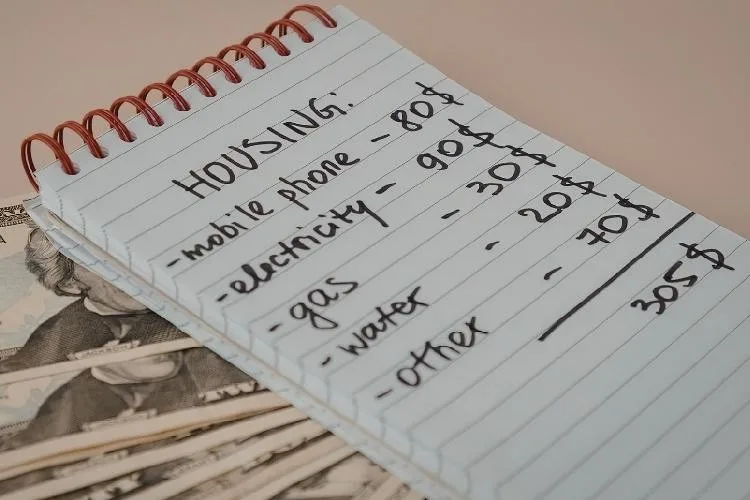
Rising energy costs have turned home budgeting into a longer conversation about security, comfort, and financial control. For many households, energy no longer sits in the background as a predictable monthly outgoing. It now shapes decisions about where people live, how they renovate, what appliances they choose, and how much risk they build into future plans.
This shift has also changed the way families think about the home itself. A property is no longer just a place to live or an asset to maintain. It’s a system that consumes, stores, and sometimes produces energy. Planning for the future now means looking beyond the next bill and asking how today’s choices will affect costs over the next decade.
Energy Planning Is Becoming Part of Everyday Budgeting
Households used to treat energy bills as fixed costs that rose or fell outside their control. That approach no longer works. Families now need to understand when they use the most energy, which parts of the home waste heat, and how daily habits affect monthly spending.
Every household should now build energy into normal financial planning. When setting a food budget, reviewing mortgage costs, or planning school expenses, also consider seasonal energy pressure. A home that feels affordable in spring can become harder to run in winter if heating, hot water, and lighting demand rise sharply.
This is why you should look for practical guidance before committing to major changes. You can compare insulation work, solar panels, heat pumps, battery storage, or heating controls, but the right order depends on the property. A poorly insulated house may benefit from fabric improvements before new technology. A home with a suitable roof may make solar generation part of a longer-term plan. Experienced installers and advisers, such as Cinergi, can help you connect day-to-day costs to future upgrades.
A sensible first step is to list the problems in order of urgency. Some homes lose heat quickly. Others rely on ageing heating systems. Some households use more electricity during the day because of remote work, while others face rising demand from electric vehicles. Clear priorities prevent rushed spending.
Energy planning should happen before a crisis, not after one. Households that review their usage, assess weak points, and understand available options can make calmer decisions. If you’re considering renewable energy, heating changes, or a broader plan to reduce reliance on the grid, contact Cinergi for more information as part of that early research.
Homes Are Now Long-Term Energy Assets
Energy costs have changed the way we judge the quality of a home. Buyers and owners increasingly look beyond the number of bedrooms, garden size, or commute. They also ask how expensive it will be to heat, cool, and power the property.
This matters because two similar homes can have very different running costs. Older windows, poor loft insulation, inefficient heating, and draughty rooms can turn a lower purchase price into a higher long-term expense. This thinking affects renovation choices. Cosmetic upgrades may still matter, but energy performance now competes for attention.
Families Are Changing What They Buy and When
Rising energy costs also influence everyday purchases. People now pay closer attention to running costs when they replace appliances, boilers, lighting, or home office equipment. The cheapest product on the shelf may cost more over its lifetime if it uses more electricity or performs poorly.
A more realistic plan tracks which items use the most energy and which ones are nearing the end of their life. When replacement becomes necessary, families choose products that fit both the upfront budget and the long-term running cost. They also avoid rushed purchases by reviewing the property, setting priorities, comparing options, and planning around natural replacement cycles.
Efficiency Is Becoming a Form of Household Resilience
People once framed energy efficiency mainly as a way to save money. That still matters, but the bigger issue now is resilience. A more efficient home can protect a household from sudden price increases by using less energy to stay comfortable.
Small changes can support this goal. Better heating schedules, draught reduction, loft insulation checks, and regular servicing of boilers or heat pumps can all reduce waste. Families that understand their peak usage can also shift some tasks, such as laundry or vehicle charging, to better times when their tariff allows it.
Future Planning Now Includes Energy Independence
For some households, the biggest change is psychological. Energy bills have made people think more seriously about independence. Complete independence may not be realistic for every home, but partial independence can still reduce exposure to market pressure.
Solar panels, home batteries, efficient heating systems, and smart controls all sit within this broader shift. They do not suit every property in the same way, and they require careful planning. Roof direction, household usage patterns, insulation levels, budget, and maintenance all influence the result.
The stronger approach starts with the home’s needs rather than the technology. Families should ask what problem they want to solve, such as reducing daytime grid use, achieving more predictable heating costs, improving winter comfort, or preparing for future electric-vehicle charging. Clear goals help households choose upgrades that fit their lives rather than chase the latest product.
No household can predict energy prices with perfect accuracy. That uncertainty has become part of modern financial planning. The task isn’t to guess the future, but to reduce vulnerability to it.
Final Thoughts
A practical plan starts with the basics. Understand current usage, reduce waste, maintain existing systems, and identify the upgrades that offer the clearest return for the property. Families should also review their plans regularly. A decision that makes sense this year may need to be adjusted as household size, working patterns, or transport needs change.
Rising energy costs have made home planning more complex, but they have also encouraged better decisions. Households that treat energy as part of long-term financial health can build homes that cost less to run, feel more comfortable, and adapt more easily to change. The future will still bring uncertainty, but a well-planned home gives families more control over how they meet it.