How Advanced Avionics Support Better Flight Planning and Routing
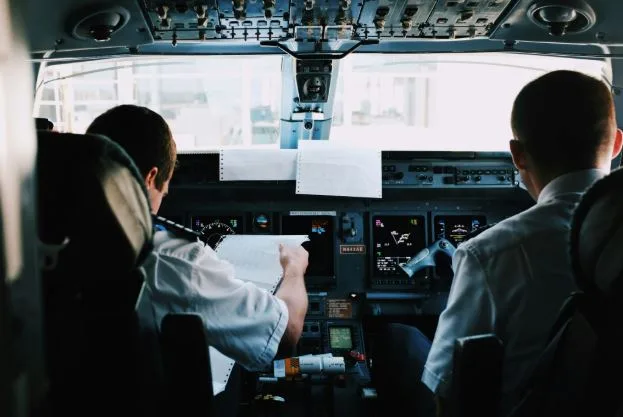
Flight planning used to involve a lot of guesswork. Pilots looked at paper charts and weather faxes. They made rough estimates for fuel and time. That old method worked for decades. But it left plenty of room for mistakes.
Modern technology changes the whole game. Advanced avionics now handle the heavy lifting. They crunch numbers and analyze conditions in real time. The result feels almost like magic. Let us break down how it all works.
The Brains Behind the Operation
Every modern aircraft carries powerful computing gear. One company making serious waves here is Acron Avionics. They manufacture flight recorders, cockpit displays, and surveillance systems. Their products are built for commercial jets, military planes, and helicopters too.
These systems pull in weather data from multiple sources. They know about wind speeds and temperature changes. They track airspace closures before takeoff. The pilot just enters basic trip details. Departure, destination, passenger count, and cargo weight. The system then builds a complete flight plan. It factors in real-time conditions along the route. This all happens in seconds, not hours.
Weather Wisdom That Keeps You Safe
Storms can ruin any flight plan. Old methods meant flying around big radar blobs. That wasted fuel and added time. New avionics see weather in stunning detail. Modern systems show the tops of thunderstorms. They predict turbulence areas before you hit them. They identify icing risks at different altitudes.
A pilot can then route between cells instead of going way around. The gear even suggests the smoothest ride. Passengers feel less bouncing around. Cargo stays safer. Everyone arrives in a better mood.
Riding the Wind for Free
High altitude winds are no joke. A strong jet stream can add hours to a crossing. Fighting a headwind burns extra fuel fast. Catching a good tailwind saves serious money. Advanced systems hunt for the best winds. They adjust altitude during flight to grab favorable flows.
The computer recalculates constantly. It might suggest climbing higher for better push. It might recommend a slight course change to catch a current. This dynamic routing saves airlines millions in fuel costs every year.
Saving Fuel, Saving Money
Fuel is painfully expensive. Burning less makes a huge difference to the bottom line. Good avionics help pilots find the sweet spot. The system recommends the most efficient speed. It balances time against consumption. Sometimes flying slower saves more fuel. Other times speeding up makes sense for other reasons.
The computer knows the right call. It also suggests the best cruise altitude. Higher flights often burn less fuel per mile. But strong headwinds can change that math. The system weighs every variable. It delivers a clear, simple recommendation.
Staying Away From the Rocks
Mountains are beautiful from a distance. Up close, they are deadly. Proper route planning keeps aircraft away from high ground. Modern databases include every peak and ridge. The system knows minimum safe altitudes for every spot on the map. It ensures the flight path stays clear of danger.
Even during emergencies, the system helps out. It can suggest escape routes heading away from terrain. This technology has saved countless lives over the years. Pilots trust it completely.
Navigating Invisible Fences
The sky has invisible boundaries everywhere. Restricted areas pop up for military exercises. Temporary flight restrictions appear for events like sports games or VIP visits. Busy airports have complex arrival and departure procedures. Keeping track of all this alone is a headache.
Advanced avionics do it automatically. The system knows which restrictions are active. It routes around closed airspace without being asked. It suggests standard arrival paths into big airports. Pilots just follow the guidance. The computer handles the messy details.
Real-Time Updates Mid-Flight
Weather changes fast up there. Conditions at takeoff might look great. A few hours later, things turn nasty. Old flight plans had zero flexibility. Pilots made rough adjustments on the fly. Modern systems connect to the ground during flight. New data streams into the cockpit constantly.
The avionics update the route instantly. They suggest detours around developing storms. They find better altitudes as conditions shift. The flight plan is never static. It evolves from takeoff all the way to landing.
Less Stress for the Crew
All this fancy technology reduces pilot workload dramatically. Old school planning meant hours of manual work. Calculations and phone calls to weather briefers. Modern pilots enter basic info and push a button. The system handles the tedious parts. Pilots still review and approve everything. They stay in command at all times.
But the boring work disappears. That leaves more energy for actual flying. More attention for monitoring systems. More focus on passenger comfort and safety. Good technology serves the crew. It never takes over.