Pad Mounted Transformer vs Oil Immersed Transformer: Real-World Applications, Differences, and Essential Safety Tips
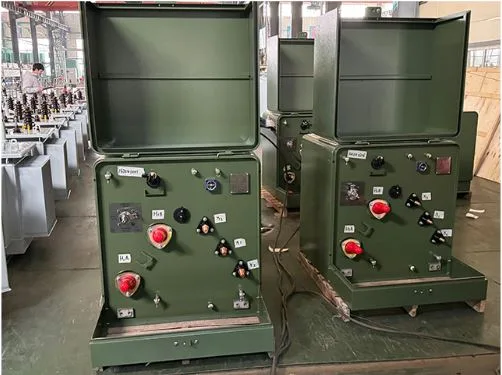
Pad-mounted transformers and oil-immersed transformers play critical roles in modern electrical transformers and power distribution systems. They step down high-voltage electricity from utility lines to safe, usable levels for homes, businesses, and industries. While oil immersed transformers is a broad category using dielectric oil for insulation and cooling, pad-mounted transformers are a specific, compact, enclosed subtype of oil-immersed units designed for ground-level installation.
Understanding the Two Types
Oil-immersed transformers use mineral oil (or eco-friendly ester fluids) to insulate windings and dissipate heat efficiently. They include pole-mounted, substation, and pad-mounted designs. These transformers offer excellent thermal performance, high overload capacity, and cost-effectiveness for medium to large power ratings.
Pad-mounted transformers are fully enclosed, tamper-proof units installed on concrete pads at ground level. They are typically oil-immersed but feature robust steel cabinets with locked doors, making them ideal for public and urban environments with underground cabling.
Real-Life Application Scenarios
Pad Mounted Transformers are extremely common in:
- Residential subdivisions and gated communities with underground power distribution
- Shopping centers, supermarkets, schools, and hospitals
- Office parks, hotels, and commercial complexes
- EV charging stations and modern smart cities
- Light industrial zones where aesthetics and safety are priorities
Their low-profile design blends into landscapes without needing tall poles or fenced substations.
Oil Immersed Transformers (in various configurations) dominate in:
- Utility substations and high-voltage grid networks
- Heavy manufacturing plants, refineries, and mining operations
- Renewable energy projects — solar farms and wind turbines for voltage step-up/step-down
- Rural areas with overhead lines (pole-mounted versions)
- Large data centers and industrial parks requiring high capacity
They handle higher power loads (from hundreds of kVA to several MVA) and perform reliably in harsh outdoor conditions.
Key Advantages and Considerations
Pad mounted units provide superior safety, weather resistance, and visual appeal in populated areas. Oil immersed designs excel in heat dissipation, longevity, and lower initial cost per kVA. However, oil-filled units require careful environmental management due to potential leak risks.
Critical Safety Precautions and Maintenance
For Pad Mounted Transformers:
- Always maintain a minimum 3-meter (10 feet) clearance. Never dig, plant trees, park vehicles, or allow children to play near them.
- Immediately report oil leaks, unusual noises, or damage to the utility company.
- Never attempt to open locked cabinets — only qualified technicians with proper PPE should access them.
- Keep surrounding vegetation trimmed for proper ventilation and visibility.
For General Oil Immersed Transformers:
- Install spill containment systems (bunds) to prevent oil leaks from contaminating soil and water.
- Conduct regular oil analysis: test for dielectric strength, moisture content, acidity, and dissolved gas analysis (DGA) to predict failures early.
- Monitor temperature gauges, pressure relief valves, and protective relays (e.g., Buchholz relay).
- Implement fire protection measures including firewalls, gravel beds, or automatic suppression systems, especially near buildings.
- Schedule professional inspections annually or as per manufacturer guidelines. Check bushings, gaskets, corrosion, and grounding connections.
Best Practices: Follow IEC, IEEE, or local electrical codes strictly. Proper sizing based on load calculations prevents overheating. In 2026, with surging demand from EVs, renewables, and data centers, selecting the right transformer type ensures long-term reliability, energy efficiency, and environmental compliance.
Understanding these electrical transformers helps property owners, engineers, and facility managers make informed decisions for safe and efficient power infrastructure