Preakness Stakes 2026: A Guide to Betting the Race
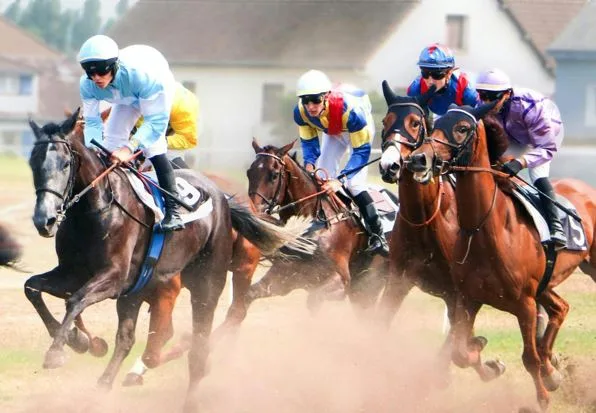
The Preakness Stakes sits at the center of the Triple Crown. In 2026, the race takes place at Laurel Park, adding a new layer to how bettors assess form and pace.
The shorter distance compared to the Derby often reshapes the field. Horses that struggled to maintain speed over longer trips can appear more comfortable here, while the quick turnaround from the Derby raises questions around recovery and readiness. These factors play a meaningful role in building a more measured betting approach. A clear focus on entries, race conditions, and market signals helps cut through the noise and supports more informed decision-making.
Understanding the 2026 Race Setup
The 2026 Preakness Stakes runs over one and three-sixteenths miles at Laurel Park. This distance places more emphasis on tactical speed than pure stamina. Horses that can secure a position early without expending too much energy often shape the outcome.
Laurel Park itself brings subtle differences. The turns and stretches influence how races unfold. Some horses handle tighter turns better, while others rely on longer straights to build momentum. Watching past performances at similar tracks can reveal patterns that are easy to overlook.
Field composition also matters. The Preakness often brings together Derby runners and fresh entrants. Fresh horses may have less wear, while Derby participants offer proven class against top competition. Looking at these profiles side by side can give a more balanced perspective. Post positions, track conditions, and projected pace all connect here. None should stand alone. Together, they form the foundation for a more informed read of the race.
Reading the Field and Form
A strong reading of the field begins with recent performances. Focus on how each horse finished rather than just where they placed. A late surge can be more telling than a narrow win under pressure. Looking at how those finishes came together over different track conditions can add another layer of insight.
Pay attention to pace scenarios. Some horses prefer to set the pace early, while others sit back and finish late. Noting how many front-runners are in the field can help indicate whether the race is likely to be fast or more controlled.
Key elements to review include:
- Speed figures from recent races,
- Running style and adaptability,
- Trainer patterns in Triple Crown races,
- Jockey experience at Laurel Park.
Each factor adds context. A horse with consistent figures and a flexible running style often stands out. Trainers who excel in quick turnarounds can also influence outcomes more than expected. Form isn’t just numbers. It reflects how a horse responds to pressure, distance, and competition. Looking beyond surface results leads to clearer decisions.
Odds and Market Signals
Odds provide insight into how the market views each contender. They reflect collective expectations shaped by performance data, public sentiment, and professional analysis. Learning to read these signals adds another layer to race preparation.
Early odds can highlight initial expectations. However, movement closer to race time often reveals sharper opinions. Shifts in pricing may indicate confidence building around certain entries.
Using platforms like FanDuel allows bettors to track these changes in real time. Observing how odds tighten, or drift, helps identify where attention is concentrating. It also reveals which horses may be undervalued based on public perception.
Rather than focusing on a single number, compare trends across the board. Look for consistency in how contenders are priced relative to each other. This approach builds a clearer picture of the race landscape and supports more deliberate choices.
Popular Bet Types Explained
Understanding bet types helps structure a more thoughtful approach to the Preakness. Each option serves a different purpose, depending on how you view the race.
Win bets are straightforward. They focus on selecting the horse that finishes first. This type suits clear convictions about a standout contender.
More layered options include:
- Exacta: Predicting the first two finishers in order,
- Trifecta: Selecting the top three in correct order,
- Superfecta: Extending to the first four finishers.
These bets require a deeper read of the field. They reward accuracy in predicting how the race unfolds, not just the winner.
Combination tickets can also be used to cover multiple outcomes. This allows flexibility while still focusing on key contenders. The right structure depends on how confident you are in your read of pace, form, and positioning. Aligning your bet type with that view helps create a more consistent and thought-out approach.
Building a Structured Betting Approach
A structured approach starts with narrowing the field. Identify a small group of contenders based on form, pace, fit, and consistency. This reduces noise and keeps the focus clear. It also makes it easier to compare strengths without getting pulled in too many directions.
Next, map out possible race scenarios. Consider how the pace might develop and which horses benefit from that setup. This step connects your analysis directly to how the race could unfold.
Balance is important. Avoid spreading selections too widely without purpose. Each choice should reflect a clear reason tied to your reading of the race. Consistency across races also helps. Applying the same evaluation method builds confidence over time. It turns betting from isolated decisions into a repeatable process.
Keep records of your selections and reasoning. Reviewing past decisions highlights patterns and areas for adjustment. Over time, this habit sharpens judgment and supports more informed choices.
Why the Preakness Still Rewards a Sharp Eye
The Preakness Stakes offers a distinct challenge within the Triple Crown. Its distance, timing, and field composition create a race that rewards careful reading and structured thinking. Approaching the 2026 edition at Laurel Park means paying attention to how track characteristics interact with pace and form.
Each detail, from post position to odds movement, contributes to a fuller picture. Clarity comes from combining these elements rather than relying on a single factor. A focused field analysis, awareness of market signals, and thoughtful use of bet types all play a role. With that foundation, the Preakness becomes easier to interpret and engage with in a meaningful way.