Everything You Need to Know About Tent Rentals: A Complete Guide to Types, Pricing, and Setup
Choosing the Right Tent Style
Pick a tent that fits your guest count, venue limits, and weather risks. Think about how the tent will be set up, how it will look, and what floor plan you need.
Frame Tents vs. Pole Tents
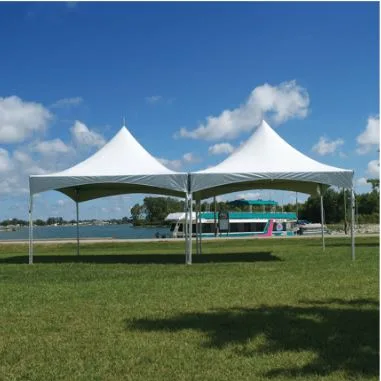
Frame tents use a metal skeleton, so they can sit on hard surfaces and create clean interior lines. They work well for driveways, patios, or locations with low clearance because they need no center poles. Choose a frame tent when you want unobstructed floor space for rows of tables, a dance floor, or a stage. They resist sagging and are easier to attach sidewalls or clear panels for wind and rain protection.
Pole tents rely on center poles and perimeter stakes, giving high, draped peaks that suit weddings and outdoor festivals. They require staking into the ground, so they need soil and enough space for guy lines. Pole tents usually cost less per square foot but limit interior layout near the center poles. Pick a pole tent if you want that classic peaked look and your site allows secure staking.
Marquee and Clear Span Options
Marquee tents include modular components that create long, elegant spaces with straight sidewalls and peaked roofs. They often join together, so you can expand run lengths in 20–30 foot sections. Use marquees for long dining setups, trade shows, or paths between buildings. They accept rigid flooring and HVAC more easily than simple pole tents.
Clear span tents have no interior supports and no perimeter poles, giving fully open floor plans. They work on turf, gravel, or asphalt when anchored with ballast. Choose clear span when you need a large, uninterrupted area for car shows, large exhibitions, or banquet seating for 300+ guests. They cost more but simplify lighting, staging, and sightlines. For more tent style overviews and practical tips, see this guide on common event tent styles and uses.
Key Factors in Tent Rental Planning
When it comes to tent rentals, you need to pick the right tent size, check the ground where it will sit, and set a clear timeline for delivery, setup, and takedown. These choices affect guest comfort, safety, and final cost.
Sizing for Guest Capacity
Estimate the number of guests first. Use an allocation based on the event type: 8–10 sq ft per person for standing room, 10–12 sq ft for banquet seating, and 12–15 sq ft if you add a dance floor or buffet stations. Add extra space for a stage, bar, or head table.
Measure the usable area of your site and compare it to tent footprint options. Ask the rental company for a layout drawing showing tables, aisles, and service areas. Confirm doorways and emergency exits fit local codes.
Checklist:
- Guest count confirmed
- Type of seating and extras noted
- Tent footprint measured and vendor layout approved
Location and Ground Surface Considerations
Inspect the exact spot where the tent will sit. Note slope, underground utilities, and nearby trees or structures that could block trucks or anchors.
Different surfaces need different anchoring: staking works on soil; ballast or concrete weights work on asphalt or decks. Ask your vendor if they require a site visit to plan anchoring and to check for permit needs.
Points to verify:
- Ground type (grass, gravel, pavement, deck)
- Access for delivery trucks and cranes
- Local permit requirements and utility markings
Rental Duration and Setup Logistics
Decide how long you need the tent on site, including extra days for late setup or bad weather. Longer rentals often cost more, but rushing setup the day of the event risks delays.
Schedule delivery and teardown windows with clear times for the vendor and for other suppliers (caterer, florist, AV). Confirm who is responsible for site prep (grading, clearing, tent pads) and for cleaning after teardown.
Logistics checklist:
- Delivery date/time and contact person
- Setup window and on-site contact
- Teardown date/time and cleanup responsibility