How a Floating Dock Can Transform Your Waterfront Experience
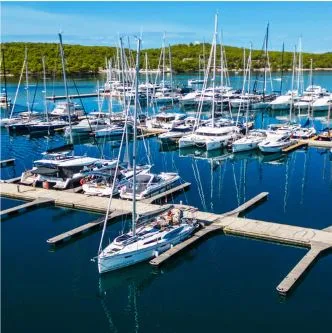
A waterfront property is more than just a place to enjoy the view. It is a space for boating, fishing, swimming, relaxing, and creating memories with family and friends. But to make the most of that space, you need safe, stable, and reliable access to the water.
That is where a floating dock becomes one of the most practical additions to any shoreline.
Unlike a fixed dock, a floating dock rises and falls with changing water levels. This makes it a smart choice for lakes, rivers, marinas, and waterfront properties where water conditions can shift throughout the year. Whether you own a residential property or manage a commercial marina, the right floating dock can improve safety, convenience, and everyday usability.
What Is a Floating Dock?
A floating dock is a dock system that rests on buoyant floats instead of being fixed at one permanent height. Because it moves with the water, it provides easier and more consistent access to boats, kayaks, jet skis, and swimming areas.
This design is especially useful in areas where water levels change due to weather, seasons, tides, or reservoir conditions. Instead of dealing with a dock that becomes too high or too low, a floating dock adjusts naturally with the water.
Why Choose a Floating Dock?
One of the biggest advantages of a floating dock is flexibility. Since it moves with the water, it helps provide safer and easier access throughout the year.
A floating dock can be used for many waterfront activities, including:
- Boating
- Fishing
- Swimming
- Kayaking
- Paddleboarding
- Jet ski docking
- Relaxing by the water
- Marina and commercial waterfront use
For homeowners, a floating dock can become the center of outdoor recreation. It creates a stable space to launch kayaks, board boats, enjoy the water, or simply relax near the shoreline.
Floating Docks for Residential Properties
For residential waterfront properties, a floating dock adds both function and enjoyment. It makes the shoreline more accessible and creates a dedicated space for water activities.
A homeowner may choose a simple dock for swimming and kayaking, or a larger system designed for boats, personal watercraft, and seating areas.
Before choosing a residential floating dock, it is important to consider:
- Water depth
- Shoreline conditions
- Boat size
- Number of regular users
- Decking material
- Dock layout
- Seasonal weather conditions
- Local permit requirements
Planning these details early helps ensure the floating dock fits the property and performs well over time.
Floating Docks for Marinas and Commercial Use
Floating docks are also widely used in marinas and commercial waterfront spaces. These environments often need dock systems that can handle frequent use, changing water levels, and long-term exposure to outdoor conditions.
For marina operators, a floating dock can improve access for boaters and create a more organized waterfront experience. Because the dock adjusts with the water, customers can board and exit boats more comfortably.
Commercial floating dock systems should be built with durable frames, strong floats, quality hardware, and reliable walking surfaces. A well-designed system can support daily use while improving safety and convenience.
Choosing the Right Floating Dock Material
Not all floating docks are built the same. The right material depends on your location, budget, water conditions, and maintenance expectations.
Common floating dock materials include:
Wood
Wood offers a classic, natural appearance and is often used for residential waterfronts. It provides a traditional dock look but may require more regular maintenance.
Aluminum
Aluminum is lightweight, corrosion-resistant, and easier to maintain. It is a popular choice for property owners who want a strong dock with lower upkeep.
Steel
Steel dock systems can provide excellent strength for heavier-duty applications. They are often used in commercial or high-traffic waterfront settings.
Composite Materials
Composite materials can offer durability with reduced maintenance. They are designed to withstand outdoor conditions while keeping the dock surface practical and long-lasting.
Choosing the right material helps improve the performance, appearance, and lifespan of the floating dock.
Why Dock Floats Matter
Floats are one of the most important parts of any floating dock system. They provide the buoyancy needed to keep the dock stable on the water.
High-quality dock floats help support:
- People walking on the dock
- Boats and personal watercraft
- Dock furniture and accessories
- Changing water conditions
- Long-term outdoor exposure
Using the right float size and quantity is essential. Too little buoyancy can make the dock unstable, while the right setup helps create a safer and more reliable platform.
Custom Features to Add to a Floating Dock
A floating dock can be customized based on how you plan to use your waterfront. Some people need a simple platform, while others want a complete dock system with multiple features.
Popular floating dock features include:
- Boat slips
- Swim platforms
- Kayak launches
- Jet ski lifts
- Ladders
- Gangways
- Ramps
- Cleats
- Bumpers
- Lighting
- Benches
- Storage areas
These features can make the dock more comfortable, functional, and enjoyable for everyday use.
Floating Dock Maintenance Tips
A floating dock is exposed to water, sun, wind, and changing weather conditions. Regular maintenance helps extend its life and keeps it safe for use.
Basic floating dock maintenance includes:
- Inspecting floats for damage
- Checking bolts, brackets, and fasteners
- Cleaning the walking surface
- Looking for loose or damaged boards
- Checking ramps and gangways
- Inspecting ladders and accessories
- Preparing the dock for winter when needed
In colder climates, winterizing or removing dock sections may be necessary depending on ice conditions.
Final Thoughts
A floating dock is one of the best ways to improve access, safety, and enjoyment at a waterfront property. Whether it is used for boating, fishing, swimming, kayaking, or marina access, the right dock system can make the shoreline more functional and enjoyable.
By choosing quality materials, reliable floats, strong hardware, and a design that fits your property, you can create a dock system that performs well for years.
For homeowners, marina operators, and waterfront property owners looking for durable floating dock solutions, American Muscle Docks offers floating dock systems, dock hardware, floats, ramps, and marine access accessories designed for long-term waterfront use.