How to solve the material waste problem caused by poor plasticization in the molding machine?
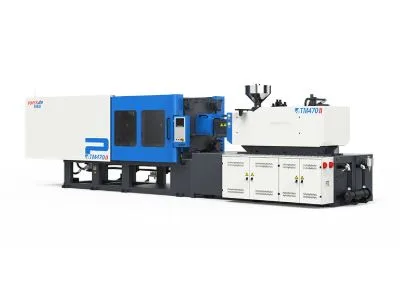
In modern plastics manufacturing, raw materials account for a significant portion of operating costs. Every gram of resin that isn’t turned into a usable product directly impacts profits. However, many factories unknowingly lose a significant portion of raw materials due to poor plasticization within the molding machine. This problem is not always obvious but gradually manifests as unstable melt quality, uneven product weight, scorch marks, short shots, or excessively high scrap rates.
Plasticization refers to the process of heating, compressing, and mixing solid plastic granules into a homogeneous molten state before injection molding. In an injection molding machine, this process occurs within the screw and barrel system. If plasticization is incomplete or uneven, the molten material may contain unmelted particles, air bubbles, or inconsistent viscosity. Therefore, manufacturers often need to scrap defective parts or remove large amounts of material during adjustments.
Molding Machine Plasticization Process: The Root of Material Waste
To address material waste, manufacturers must first understand the plasticization process in the injection molding machine. The plasticization stage occurs in the screw and barrel of the injection molding machine, where plastic granules are gradually heated and transformed into molten material.
The process typically involves three main stages:
- Feeding Stage: Solid plastic granules enter the barrel through the hopper.
- Compression Stage: The screw compresses the material, while heat and friction begin to melt the granules.
- Metering Stage: The fully molten plastic becomes homogeneous and ready for injection.
If any of these steps is inefficient, the plasticizing quality will deteriorate. For example, insufficient heating or improper screw rotation can result in partially molten granules remaining in the material stream. Similarly, uneven compression can lead to inconsistent melt density. These problems result in various types of material waste, incomplete filling or under-injection, product defects, the need for rejection, excessive flushing during machine setup, and inconsistent product weight. Furthermore, poor plasticizing prolongs production cycles because the injection molding machine requires longer heating and mixing times to compensate for unstable melt conditions.
Molding Machine Screw Design: Improving Melt Homogeneity to Reduce Waste
One of the most critical factors affecting the plasticizing quality of a molding machine is screw design. The screw controls the movement, compression, melting, and mixing of plastic granules before injection molding.
Standard screws used in molding machines typically consist of three parts: the feed zone, the compression zone, and the metering zone. However, not all screws are optimized for every material type. If the screw geometry does not match the resin properties, plasticizing efficiency will decrease. For example, engineering plastics generally require a higher compression ratio, heat-sensitive materials require slower melting, and reinforcing materials require higher mixing performance.
When the screw design does not match the material, several problems may occur, including uneven melting, uneven mixing of materials, excessive shear heating, and inconsistent melt viscosity. These problems often lead to product defects and increased material waste. Molding machine manufacturers address this issue by developing dedicated screw designs for different materials. Barrier screws, mixing screws, and high-efficiency plasticizing screws can significantly improve melt uniformity. Therefore, the injection molding machine can produce a stable melt flow, thereby reducing scrap rates and improving overall production stability.
Temperature Control: Stabilizing Melt Quality
Temperature control is another key factor in achieving proper plasticizing in injection molding machines. The barrel heating system must maintain precise temperature zones to ensure uniform melting of the plastic material. In molding machines, the barrel typically contains multiple heating zones. Each zone plays a specific role in gradually increasing the material temperature. Improper calibration of these heating zones can lead to various plasticizing problems.
For example, low temperatures may prevent complete melting, excessively high temperatures can cause material degradation, and uneven heating can result in inconsistent viscosity. All of these problems can lead to product defects and material waste. To address this, engineers must carefully monitor and adjust the barrel temperature according to the material’s recommended processing temperature range. Advanced injection molding machine systems typically include intelligent temperature control systems that provide precise heating control. Stable temperature control ensures uniform melting of the plastic within the barrel. Therefore, the injection molding machine can provide consistent melt quality, thereby reducing product defects and unnecessary material waste.
Back Pressure Optimization: Enhancing Mixing Performance
Back pressure plays a crucial role in the plasticizing performance of molding machines. During screw rotation, back pressure impedes the screw’s retraction, forcing the molten material to mix more thoroughly.
In molding machines, appropriate back pressure helps improve several aspects of the plasticizing process: melt uniformity, material mixing, air removal, and color dispersion. When back pressure is too low, the plastic melt may not mix sufficiently. As a result, the product may contain unmelted particles or have an inconsistent color. These defects often lead to significant material scrap. However, excessive back pressure can also cause problems. It can increase shear heat, degrade sensitive materials, and consume extra energy. Therefore, operators must determine the optimal back-pressure setting for each material and product type. A well-calibrated molding machine ensures that the melt is fully mixed without damaging the material.
Process Parameter Optimization: Achieving Stable Production
Even with advanced equipment, inappropriate processing parameters can still lead to plasticizing problems. Therefore, optimizing the injection molding machine’s operating conditions is crucial to minimizing material waste. Many parameters affect the plasticizing performance of an injection molding machine, including screw speed, injection speed, melt temperature, cooling time, and injection volume. If these parameters are not configured correctly, the plasticizing process can become unstable. For example, excessively high screw speeds generate excessive shear heat, while excessively low speeds can lead to incomplete melting. The injection molding machine control system allows engineers to fine-tune these parameters with high precision. By analyzing process data and adjusting machine settings, manufacturers can establish a stable production environment. After optimization, the injection molding machine operates more efficiently, producing a consistent melt quality with minimal material loss.
Reducing Injection Molding Material Waste
While equipment improvements are important, addressing material waste requires a comprehensive production strategy. Only through close collaboration among operators, engineers, and managers can the injection molding machine perform at its best while maintaining a stable production environment. Training operators in plasticizing principles is particularly crucial. Skilled operators can quickly identify signs of poor plasticizing, such as inconsistent melt flow or abnormal machine operation. Furthermore, factories should implement data monitoring systems for their injection molding machines. By analyzing production data, engineers can identify trends that may foreshadow plasticizing problems.